

 en
en русский
 Deutsch
 日本語
日本語 Español
 简体中文
简体中文Door Driving Precision Planetary Reducer
Cat:MK series planetary reducer
Industry-product lineupApplicable to: Door drive (planetary, coaxial shaft)MKB Precision Planetary Reducer is a cutting-edge mechanical device designe...
See DetailsContent
When a 3,000 RPM servo motor spins too fast for a robotic joint or an AGV drive wheel, the practical answer is a motor with a reduction gearbox. This integrated solution cuts speed and amplifies torque while keeping the motion system compact. Whether you are specifying a semiconductor wafer handler, a CNC tool changer, or a conveyor in a cleanroom, the right gearmotor combination defines your machine's precision, throughput, and reliability. This guide walks through how these systems work, which types deliver the best performance for automation, and how to match a reduction gearbox to your motor using real engineering criteria.
A motor with a reduction gearbox — often called a gearmotor or geared motor — couples an electric motor (servo, stepper, or DC) to a mechanical reducer. The reducer’s primary job is to lower the motor’s output shaft speed and simultaneously boost torque according to a fixed gear ratio. Instead of designing a custom transmission from scratch, engineers select an off‑the‑shelf gearhead that mounts directly to the motor face, creating a single, space‑saving drive unit.
Inside a gearbox, a small input pinion or sun gear drives a larger output gear arrangement. The reduction ratio is simply Reduction Ratio = Input Speed / Output Speed. For example, pair a 3,000 RPM servo motor with a 30:1 planetary reducer, and the output shaft delivers 100 RPM with a theoretical torque multiplication of 30 (minus a small efficiency loss). Real‑world torque depends on the gearhead’s rated capacity, but this scaling is what lets a small, high‑speed motor handle heavy‑load tasks like lifting a robotic arm or propelling a logistics vehicle.
Not all gearmotors are built alike. The three most common configurations — planetary, worm, and helical — each suit different performance profiles. Planetary gearboxes dominate precision automation because of their coaxial layout, high stiffness, and low backlash options. Worm reducers offer self‑locking capability but sacrifice efficiency. Helical reducers run quietly and carry high loads but are typically bulkier. For compact, high‑accuracy machinery, the planetary gearmotor is the standard starting point. Learn more about how planetary reducer gearboxes function and when to use them.
Planetary designs split torque across multiple planet gears, greatly reducing the load on any single tooth. This yields higher torque density and a shorter axial length than other gear types. When built with helical gears and tight manufacturing tolerances, planetary gearheads routinely achieve backlash values below 3 arc‑min, which is critical for positioning systems like pick‑and‑place robots and laser cutters. The symmetrical structure also minimizes unbalanced radial forces, extending bearing life even under frequent start‑stop cycles.
Servo motors are the most demanding partners: they rotate at high input speeds and expect low inertia mismatch. A planetary reducer with a high‑precision output shaft and a rigid coupling keeps the servo responsive. Stepper motors benefit from a reducer’s torque amplification to overcome resonance zones, but the gearbox must handle the motor’s cogging torque without excessive wear. DC brushed motors, often used in cost‑conscious applications, pair well with economical planetary or helical reducers—here noise level and service life are primary concerns. MPB low-noise economical star reducer for cost-sensitive applications offers a practical example of a purpose‑built solution for stepper and DC motor integration.
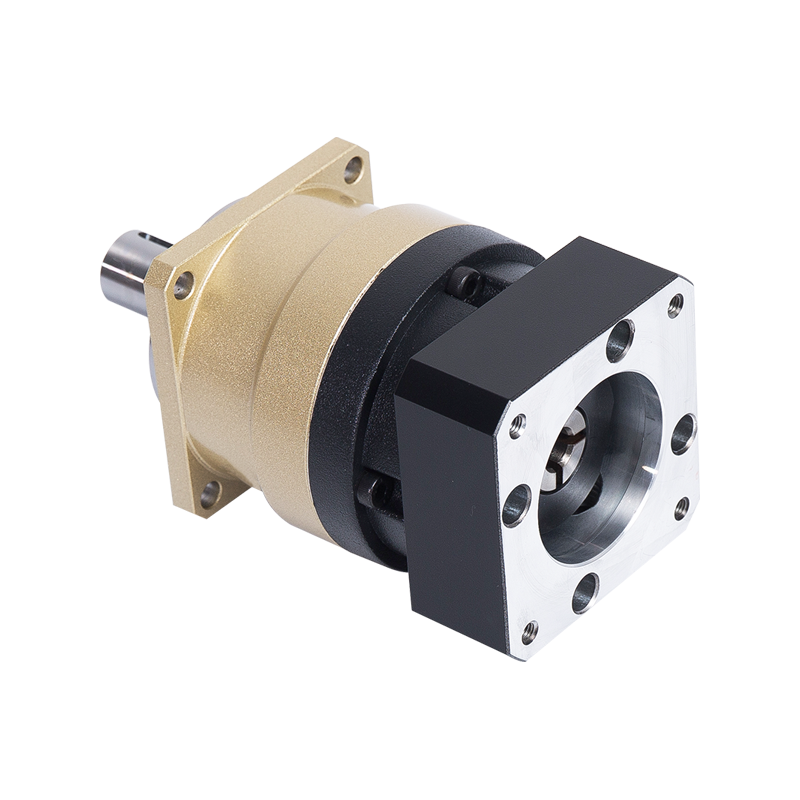 Custom MPB Low Noise Economical Star Reducer Suppliers, Company - MAKIKAWA-MOTIOMAKIKAWA-MOTION TECHNOLOGY (ZHEJIANG) CO., LTD is China custom MPB Low Noise Economical Star Reducer suppliers and OEM/ODM company, detai...View Product →
Choosing the right motor‑gearbox assembly moves beyond catalog numbers. Engineers should evaluate these five interconnected parameters:
Begin with the servo’s continuous torque curve and maximum speed. The gearbox’s nominal torque rating should exceed the motor’s continuous torque multiplied by the reduction ratio and a service factor of at least 1.5. Next, confirm that the motor’s rotor inertia reflected through the gear ratio does not exceed the reducer’s allowed inertia ratio; exceeding this limit causes oscillation and settling issues. Many high‑performance servo applications demand a planetary gearhead with extra‑rigid output bearings, such as crossed‑roller or tapered‑roller designs, to handle the combined axial and radial forces from belt drives or direct‑mounted loads. Review the five selection criteria engineers must check for servo gearbox reducers for a deeper checklist. For direct motor coupling, the MKT precision planetary reducer for servo motor matching provides a purpose‑engineered interface, with low‑inertia gearsets and multiple ratio options that maintain the servo’s dynamic response.
 Custom Servo Motor MKT Precision Planetary Reducer Suppliers, Company - MAKIKAWAMAKIKAWA-MOTION TECHNOLOGY (ZHEJIANG) CO., LTD is China custom Servo Motor MKT Precision Planetary Reducer suppliers and OEM/ODM company,...View Product →
Automated guided vehicles, industrial robot arms, and CNC machine axes all rely on gearmotors for the controlled torque that moves heavy payloads smoothly. In an AGV, a compact planetary reducer lets the drive wheel motor run at optimal efficiency while delivering the low‑speed, high‑traction force needed on ramps. Robot joints demand zero‑drift positioning, making low‑backlash planetary gearheads the default choice in collaborative and articulated designs. CNC ballscrews profit from a servo‑planetary combination that reduces velocity ripple and improves surface finish.
Inside a modern AGV, a brushless DC or servo motor spins a planetary reducer that drives the wheels through a right‑angle or parallel shaft configuration. The gearbox must survive frequent shock loads when the vehicle encounters floor gaps or accelerates with a full payload. Planetary gearheads with case‑hardened ring gears and a robust bearing set handle these conditions while keeping overall drive width narrow enough for compact vehicle frames. Read how planetary gearboxes redefine AGV logistics through high load capacity and long maintenance intervals. For a direct, vehicle‑optimized option, the RCIV AGV special planetary reducer with ring gear output integrates a ring gear output and a space‑saving housing that bolts straight to the wheel‑drive assembly, minimizing transmission parts and assembly time.
 Custom RCIV Ring Gear Output AGV Special Planetary Reducer Suppliers, Company - MAKIKAWA-MOTION TECHNOLOGY (ZHEJIANG) CO., LTD is China custom RCIV Ring Gear Output AGV Special Planetary Reducer suppliers and OEM/ODM ...View Product →
Success with geared motor integration starts by defining the required output torque and speed, then narrowing the field to a reducer type that meets the precision, noise, and envelope constraints of your machine. Chart the system’s load curve, verify the permissible forces on both the motor and gearbox bearings, and specify the durability requirements up front. Commercial off‑the‑shelf planetary reducers now offer performance that once required custom‑cut gears, significantly shortening development cycles. Working directly with a supplier that can recommend matching adapters and validate torque‑speed profiles ensures that the motor‑gearbox combination will perform under your real operating conditions, not just on a data sheet.
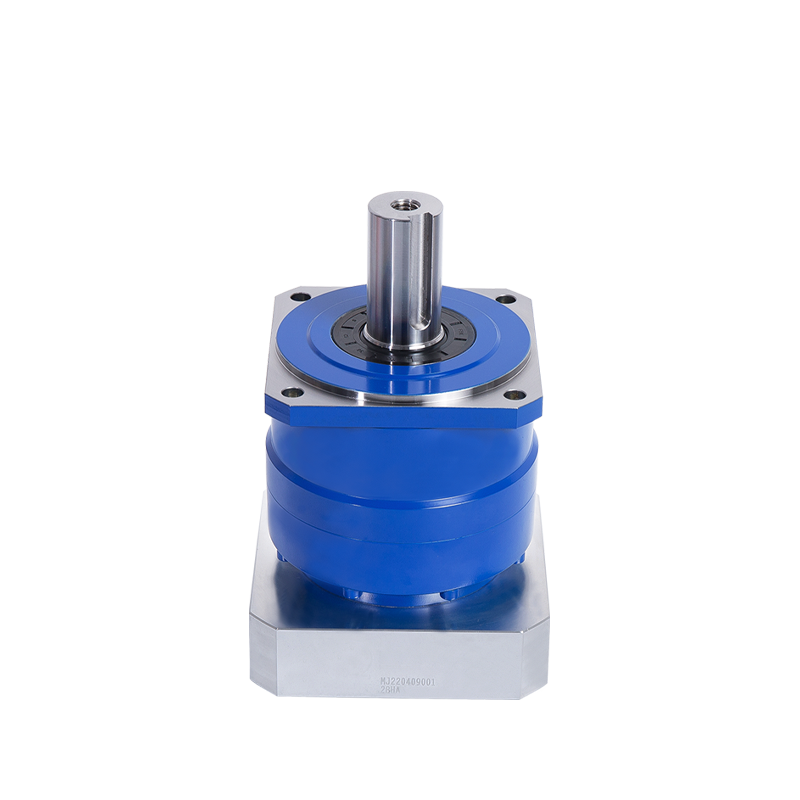
Industry-product lineupApplicable to: Door drive (planetary, coaxial shaft)MKB Precision Planetary Reducer is a cutting-edge mechanical device designe...
See Details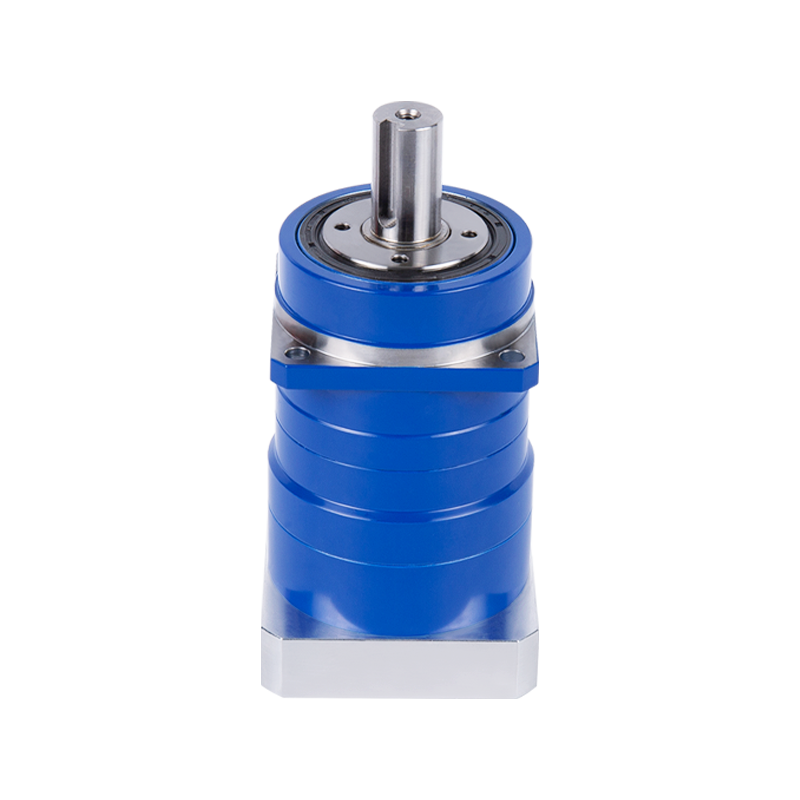
MKS Precision Planetary Reducer and servo motors represent a pinnacle in motion control technology. Their combined strengths — precision engineering, ...
See Details
Meet the needs of customers with high-precision requirements for semiconductor devices, machine tools, etc.MKG reducer meets the various needs of cust...
See Details
Suitable for customers with high output and compact requirementsApplicable to: Crossed roller bearings, for door drive (planetary, orthogonal shaft/ho...
See Details
Suitable for customers with rich needs such as semiconductor manufacturing equipment and machine toolsApplicable to: Tapered roller bearings for door ...
See Details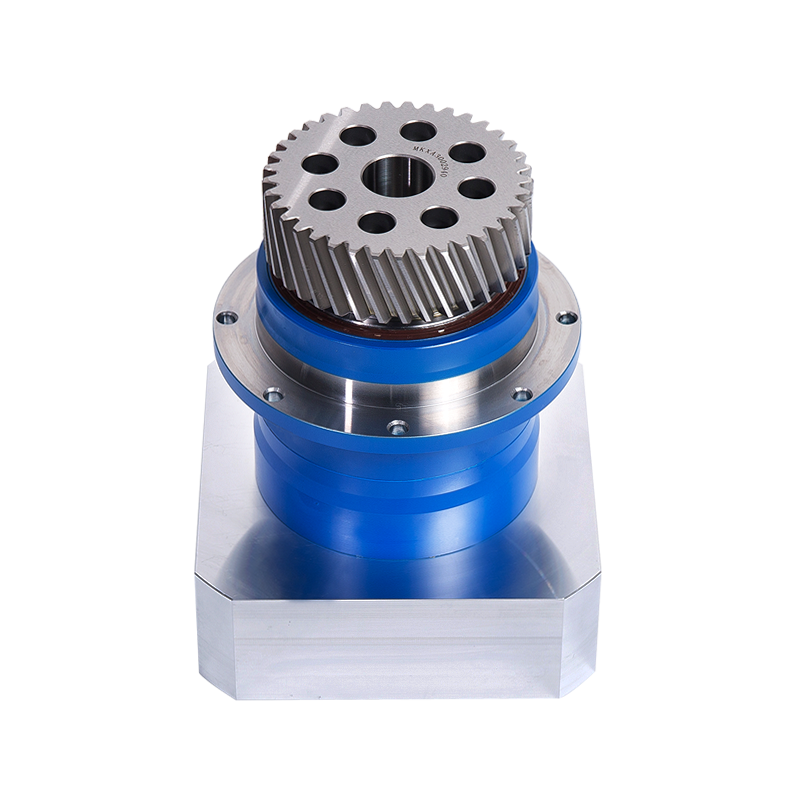
Laser-cutting equipment often operates in confined spaces, requiring motion control systems that can seamlessly integrate without compromising efficie...
See Details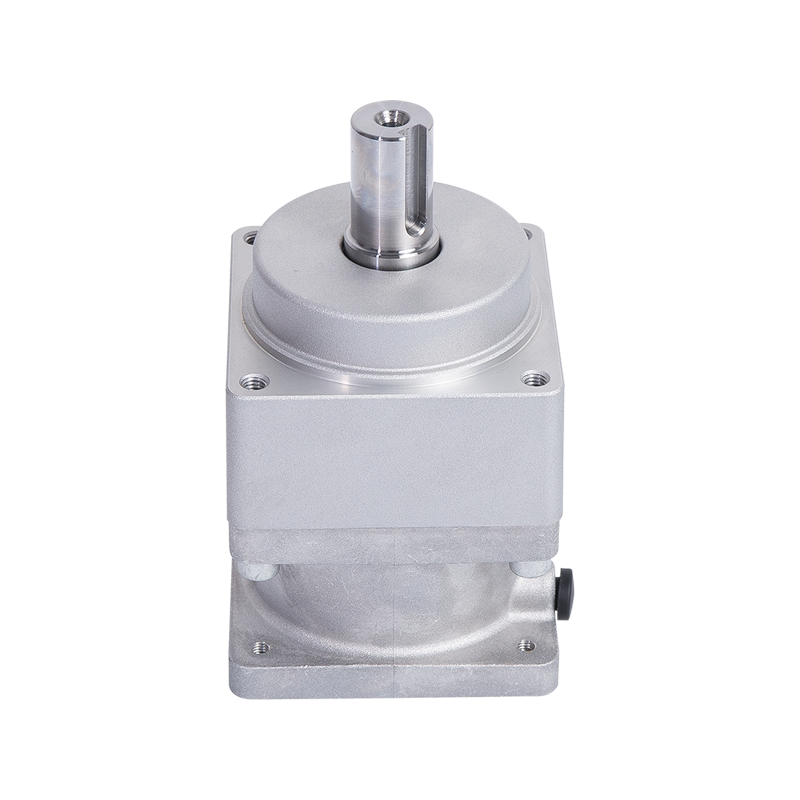
This MKGC-5C-400 high torque durable economical star reducer is designed for stable, cost-effective power transmission in general industrial and heavy...
See Details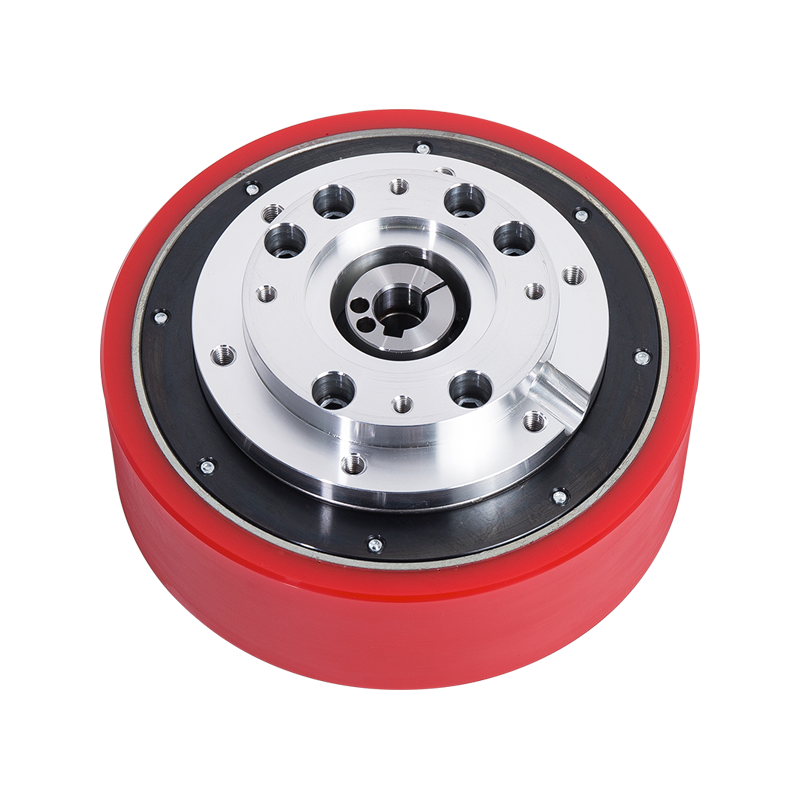
At the heart of the RCIV ring gear output AGV special planetary reducer is a sophisticated design that features a distinctive ring gear output configu...
See Details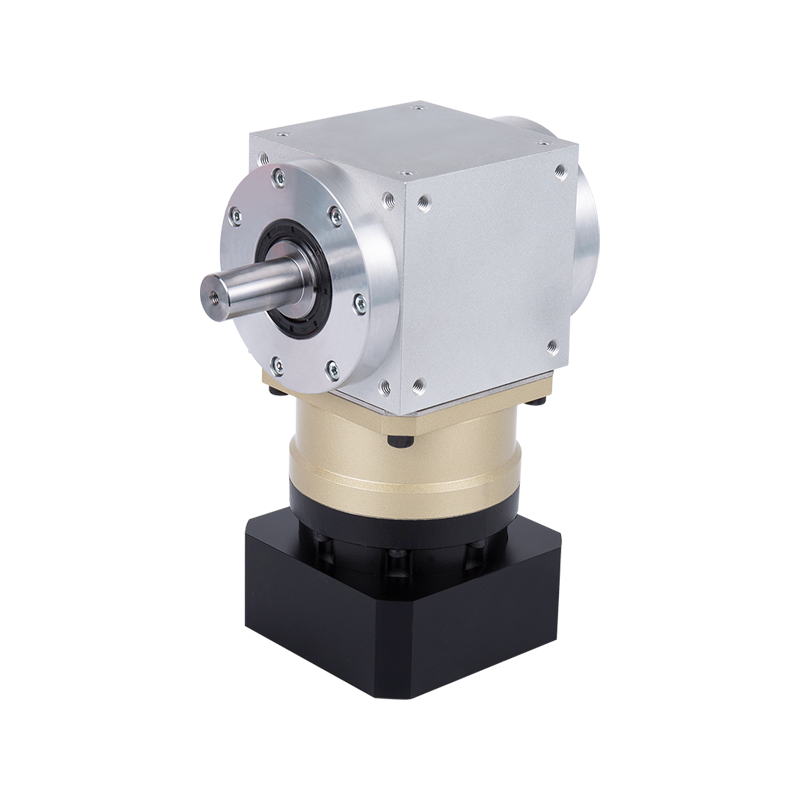
The planetary reducer adopts a planetary gear transmission structure, which has high transmission efficiency, and the single solid shaft design can re...
See Details
The worm bevel double output shaft type planetary reducer uses a combination of worm gear transmission and planetary gear transmission to improve the ...
See Details
MAKIKAWA-MOTION TECHNOLOGY (ZHEJIANG) CO., LTD. @ All rights reserved

Custom High Precision Planetary Gearbox Reducer Manufacturers