

 en
en русский
 Deutsch
 日本語
日本語 Español
 简体中文
简体中文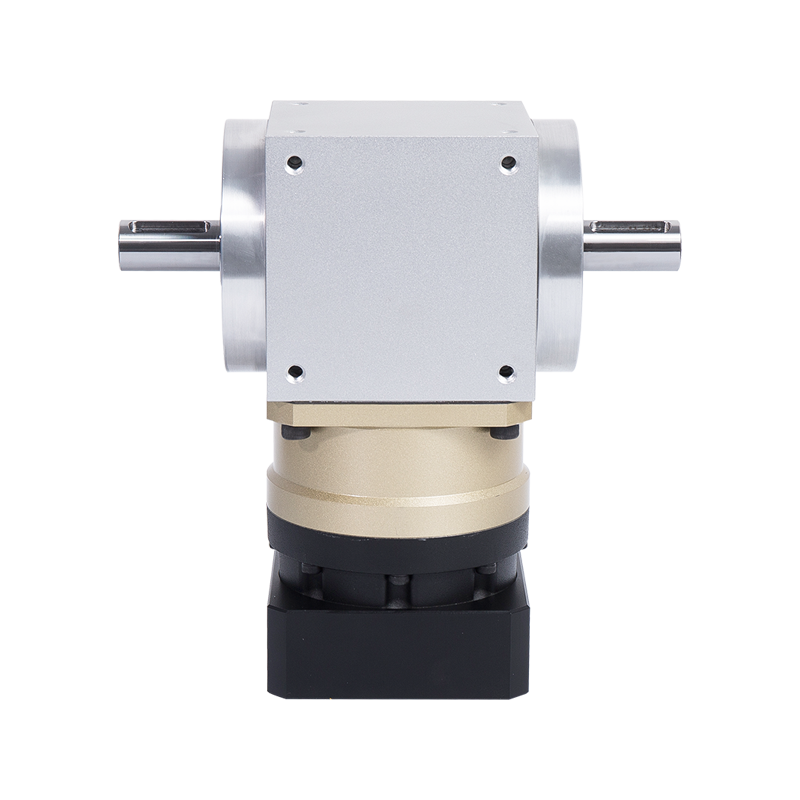
Door Driving Precision Planetary Reducer
Cat:MK series planetary reducer
Industry-product lineupApplicable to: Door drive (planetary, coaxial shaft)MKB Precision Planetary Reducer is a cutting-edge mechanical device designe...
See DetailsContent
A 1-arcmin backlash rating on a planetary reducer can mean the difference between a precision laser cut and a rejected part. In high-accuracy automation, every micron of lost motion translates directly to scrap. Unlike spur gearboxes that rely on offset shafts, planetary designs distribute load across multiple planet gears, delivering 3–4 times higher torque density for the same envelope.
The architecture is straightforward yet brilliant. A central sun gear meshes with three or more planet gears held by a carrier; all rotate inside a fixed ring gear. Input torque from a servo motor drives the sun, the planet gears orbit, and the output shaft attached to the carrier delivers reduced speed and multiplied torque. This coaxial arrangement eliminates the side loads that plague conventional gear trains, improving bearing life and reducing noise.
Planetary reducers achieve single-stage ratios from 3:1 to 10:1, with multi-stage units reaching 100:1 and beyond without a proportional increase in size. They routinely deliver over 95% efficiency per stage, meaning less heat and lower energy costs in continuous-duty applications. Efficiency remains above 90% even at ratios exceeding 50:1 when using helical-cut gears and optimized lubrication.
Backlash—the angular clearance between gear teeth—determines positioning accuracy. Standard industrial planetary reducers offer 10–15 arcmin, sufficient for conveyors and basic handling. For CNC machines or robot joints, low-backlash grades of 3–5 arcmin are common. In semiconductor wafer handling and metrology, ultra-precision units achieve 1 arcmin or less. Torsional stiffness, measured in Nm/arcmin, quantifies how much the output twists under load; higher stiffness preserves path accuracy during acceleration.
The table below summarizes typical backlash classes and their application sweet spots:
| Backlash Grade | Typical Value (arcmin) | Example Applications |
|---|---|---|
| Standard | 10 – 15 | Packaging, material handling |
| Reduced | 5 – 8 | Pick-and-place, printing |
| Low | 3 – 5 | Machine tools, delta robots |
| Ultra-Low | ≤ 1 | Semiconductor lithography, measuring systems |
When top-tier precision is non-negotiable, look for preloaded or split-planet designs that minimize lost motion. The high-precision MKS planetary reducer exemplifies this approach, achieving ≤3 arcmin backlash through optimized gear tooth geometry and rigid housing.
Ratio selection balances speed and torque. A higher ratio amplifies torque but reduces output speed, which may require a larger motor if dynamic response matters. Inertia matching is equally critical: the reflected load inertia should fall between 1:1 and 10:1 relative to the motor rotor for stable control. Planetary reducers inherently offer low reflected inertia due to their compact rotating mass.
A reducer sized solely on catalog torque numbers fails early when real-world forces differ. Start with the application’s continuous and peak torque requirements. Factor in radial and axial loads from belt pulleys or pinions—these impose bending moments that the output bearing must withstand. Refer to the manufacturer’s rated output bearing capacity; exceeding it dramatically shortens service life.
Duty cycle shapes thermal management. An uncooled reducer running 80% of the time at full torque needs higher service factor than a unit cycling 20%. In S1 continuous operation, select a reducer whose nominal torque is at least 1.5 times the application’s RMS torque. For high-acceleration profiles, verify the emergency stop torque rating; exceeding it even once can fracture gear teeth. Environmental sealing matters, too: IP65-rated units protect against washdown and dust in food processing, while standard IP54 suits clean factory floors.
Our MKL multi-size segment selection reducer provides flexible frame sizes and ratios, letting engineers fine-tune inertia ratios without over-specifying.
Planetary reducers adapt to nearly any mechanical layout. Inline models keep the motor and output shaft coaxial, ideal for tight spaces. Right-angle configurations use spiral bevel gears to redirect torque, common in roller tables and packaging machinery. Hollow output shafts allow cables or shafts to pass through, simplifying robot wrist designs. Flange-mounted units bolt directly to the machine frame, while shaft-mount versions clamp to the driven shaft with a keyway.
Motor compatibility must confirm bolt circle, pilot diameter, and shaft diameter. Standardized NEMA and IEC flanges ease integration, but many high-performance servomotors use custom interfaces. Precision collet or clamping hubs eliminate coupling clearance, preserving the low backlash of the reducer.
When routing through a hollow reducer, ensure the through-hole diameter accommodates any passing elements. Balanced mass is also crucial at high speeds—a dynamic balancing grade of G2.5 or better prevents vibration at 3000 rpm and above.
Planetary gear reducers thrive wherever compact torque multiplication and repeatable positioning intersect. In autonomous guided vehicles (AGVs), the RCIV ring-gear output reducer provides high radial load capacity for heavy payload wheels without sacrificing steering accuracy. Semiconductor fabrication equipment demands contamination-free motion; MkEL reducers designed for semiconductor tools meet ISO Class 1 cleanliness and deliver 1-arcmin repeatability in wafer handling robots.
Beyond these, planetary reducers drive indexing tables, adhesive dispensers, surgical robots, and solar trackers. Their combination of high efficiency, low backlash, and modular mounting makes them the default choice for modern precision machinery.
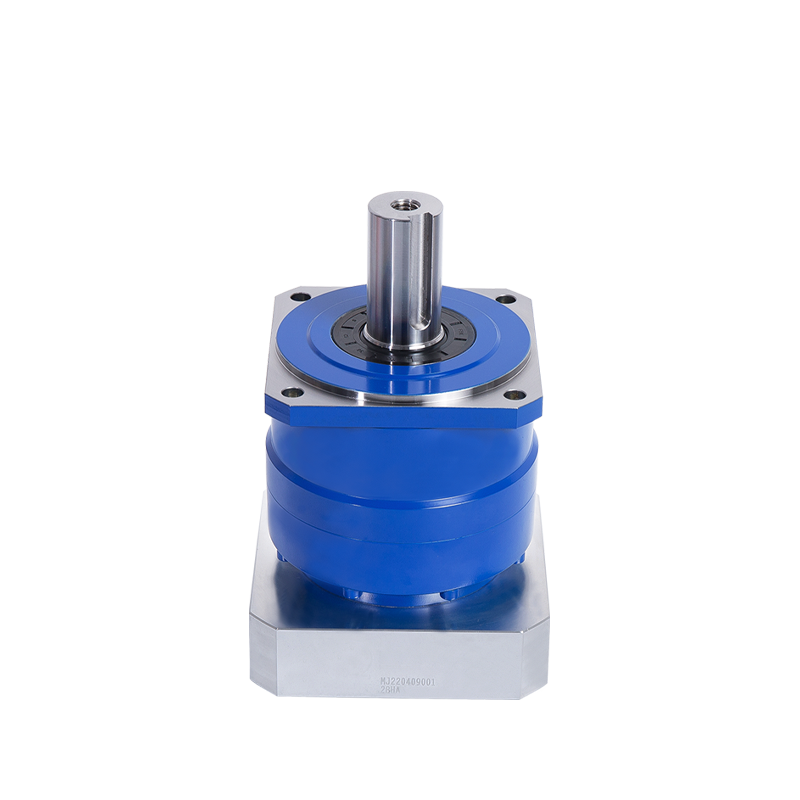
Industry-product lineupApplicable to: Door drive (planetary, coaxial shaft)MKB Precision Planetary Reducer is a cutting-edge mechanical device designe...
See Details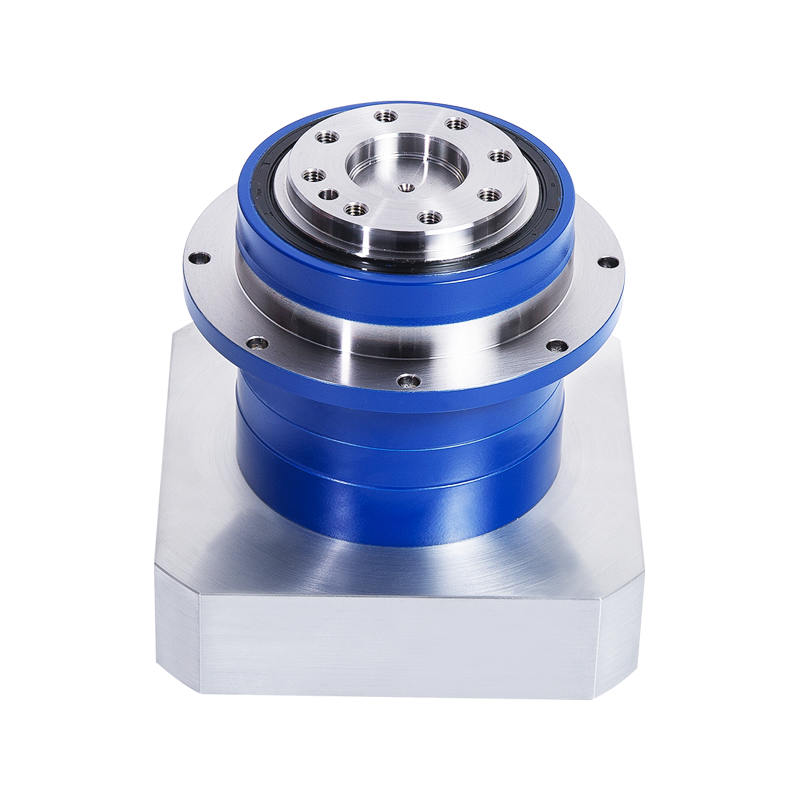
Meet the needs of customers with high precision requirements for semiconductor devices, automation equipment, machine tools, etc.Applicable to: Door d...
See Details
Meet the needs of customers with high-precision requirements for semiconductor devices, machine tools, etc.MKG reducer meets the various needs of cust...
See Details
Ball bearings, orthogonal axis, more flexible installationMKEB Planetary Reducer stands as a testament to advancements in planetary gear technology, f...
See Details
Suitable for customers with high output and compact requirementsApplicable to: Crossed roller bearings, for door drive (planetary, orthogonal shaft/ho...
See Details
Suitable for customers with rich needs such as semiconductor manufacturing equipment and machine toolsApplicable to: Tapered roller bearings for door ...
See Details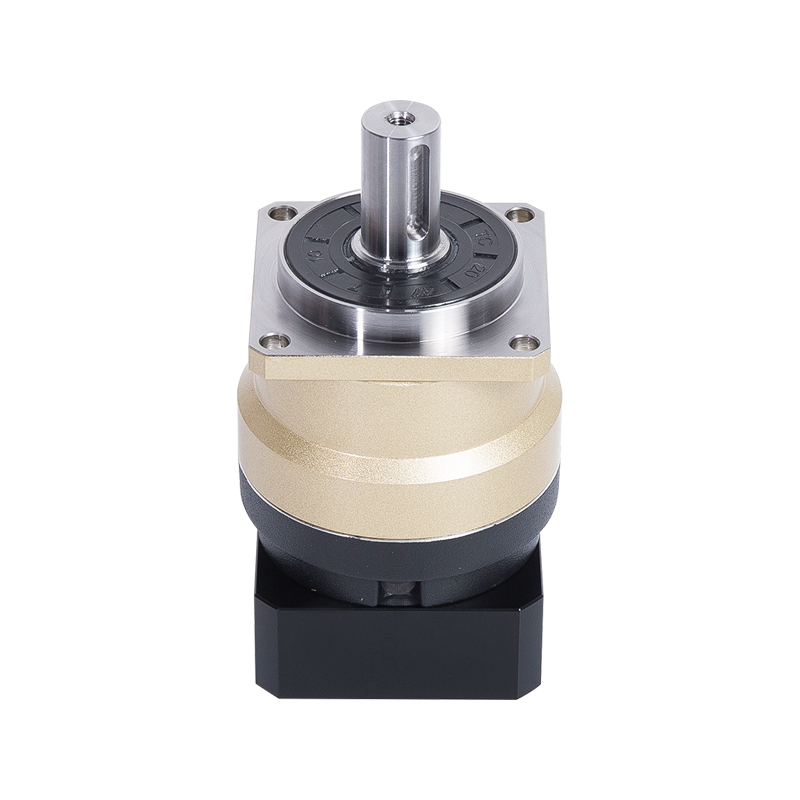
Helical gear design, high bite rate, smooth operation, low noise, low backlash. The sun gear output shaft bearing is designed directly in the arm to e...
See Details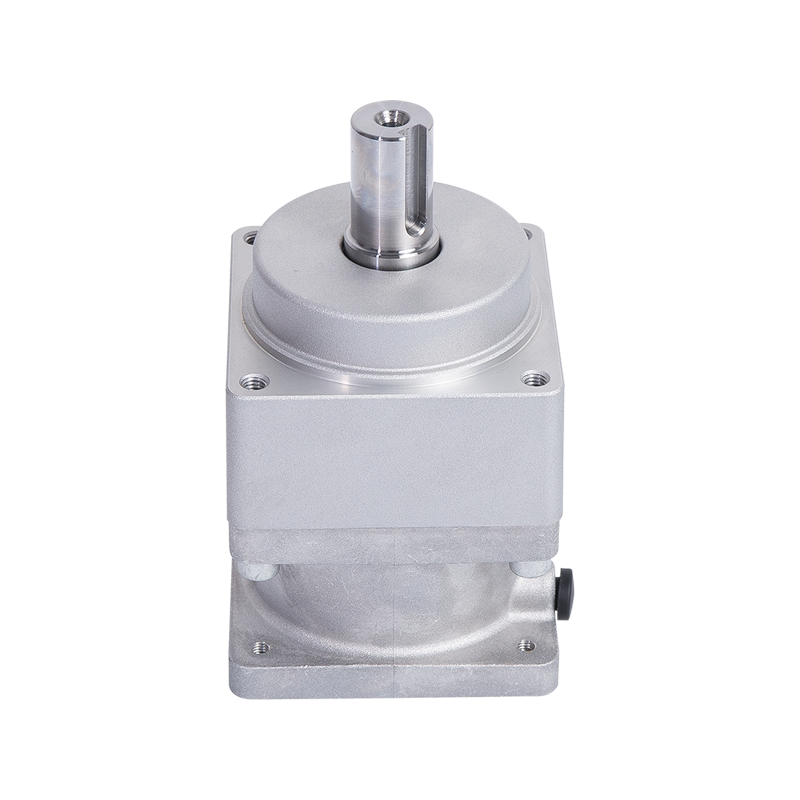
This MKGC-5C-400 high torque durable economical star reducer is designed for stable, cost-effective power transmission in general industrial and heavy...
See Details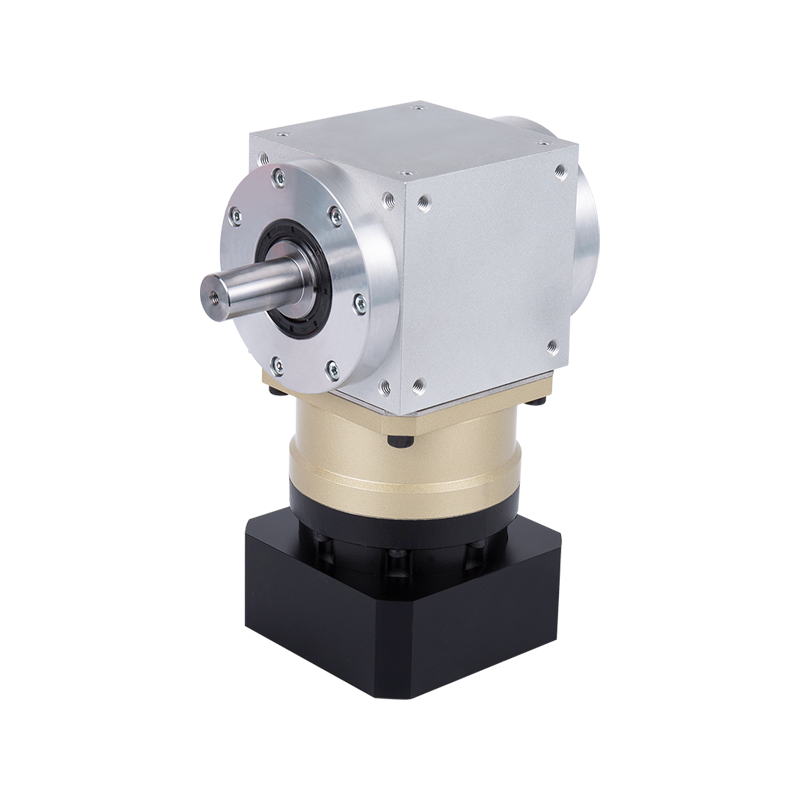
The planetary reducer adopts a planetary gear transmission structure, which has high transmission efficiency, and the single solid shaft design can re...
See Details
The worm bevel double output shaft type planetary reducer uses a combination of worm gear transmission and planetary gear transmission to improve the ...
See Details
MAKIKAWA-MOTION TECHNOLOGY (ZHEJIANG) CO., LTD. @ All rights reserved

Custom High Precision Planetary Gearbox Reducer Manufacturers