

 en
en русский
 Deutsch
 日本語
日本語 Español
 简体中文
简体中文Door Driving Precision Planetary Reducer
Cat:MK series planetary reducer
Industry-product lineupApplicable to: Door drive (planetary, coaxial shaft)MKB Precision Planetary Reducer is a cutting-edge mechanical device designe...
See DetailsContent
For automated guided vehicles, the choice of a dedicated planetary reducer gearbox directly determines positioning repeatability, energy efficiency, and long‑term operational stability. An RC series design, engineered specifically for AGV motion control, combines backlash as low as 3 arc-min with a compact envelope and integrated servo motor readiness, making it the core enabler of precise autonomous navigation and low‑maintenance fleet operation.
An AGV must stop at a defined docking station, follow a magnetic tape, or align with a conveyor with sub‑millimeter tolerance. The planetary reducer gearbox translates the servo motor’s high‑speed rotation into the torque and resolution needed for such fine positioning. In RC series units, μ‑level gear cutting precision – often verified by Japanese and German high‑accuracy equipment – ensures that the transmission error remains negligible. Field measurements show that a well‑matched gearbox maintains a path following deviation under ±2 mm over thousands of cycles, directly preserving material flow integrity.
Backlash is the angular play that can turn a command into a positioning error. A dedicated AGV planetary reducer gearbox typically targets single‑stage backlash of 3 to 5 arc-min. Achieving this depends on internal and external gear processing held to JIS material standards. Internal ring gears are ground with profile tolerances in the micrometer range, while planet gears are matched to minimize cumulative clearance. The result is a drivetrain where the motor’s encoder feedback translates directly into wheel movement, eliminating the need for complex electronic compensation during bidirectional travel or load changes.
Floor‑based AGVs operate in tight warehouse aisles and dynamic assembly lines. A bulky reducer increases the vehicle’s turning radius and height. The RC series planetary design packs high torque density into a short axial length. By nesting multiple planet gears around a sun gear, the architecture delivers a ratio range from 3:1 up to 100:1 within a single stage, keeping the housing diameter compact. This low‑profile integration allows under‑vehicle mounting, reduces the center of gravity, and improves responsiveness during acceleration and deceleration, which is critical for omnidirectional and differential‑drive platforms.
Many logistics AGVs run 24 hours a day, 7 days a week, accumulating over 8,000 operating hours per year. The planetary reducer gearbox must handle this without lubrication breakdown or surface fatigue. RC series units use carburized and ground gears with optimized tooth profiles that distribute load evenly across multiple planet gears, raising the rated torque capacity. Bearings are selected for extended L10 life under combined radial and axial wheel loads. In accelerated life tests, well‑sized models consistently exceed 20,000 hours before any measurable increase in backlash, aligning with the maintenance‑free service interval expected in automated fleets.
Industrial floors expose AGV drives to fine dust, metal particles, and occasional washdown splashes. A dedicated RC series gearbox commonly achieves IP65 protection. Double‑lip seals at the output shaft prevent particle ingress, while O‑rings at housing interfaces block moisture. This level of sealing permits reliable operation in food‑grade, pharmaceutical, or electronics manufacturing settings without auxiliary covers, reducing overall system complexity. Combined with a synthetic lubricant fill for life, the gearbox remains sealed for its entire service span, preserving the initial backlash and noise performance.
A growing trend is the ready‑to‑mount integrated servo motor and planetary reducer unit. Here the motor’s pinion shaft is machined directly as the sun gear, eliminating a coupling and its associated alignment errors. This integration shrinks the driveline length by approximately 25 to 30 percent and removes potential points of mechanical resonance. It also reduces installation and commissioning time, as the entire drive wheel assembly arrives pre‑aligned and tested. For fleet integrators, the key benefit is a plug‑and‑play torque source that maintains consistent positioning accuracy across hundreds of vehicles with no on‑site shimming.
When evaluating planetary reducer gearboxes for mobile robots, several measurable parameters separate a generic reducer from a purpose‑built AGV solution. The table below compares typical values for a dedicated RC series unit and an integrated motor‑reducer configuration.
| Parameter | Standard RC Series Reducer | Integrated Motor‑Reducer Unit |
|---|---|---|
| Rated Output Torque (Nm) | 40 – 600 | 10 – 200 |
| Backlash (arc-min) | ≤ 5 | ≤ 3 |
| Typical Noise Level (dB) | ≤ 60 | ≤ 55 |
| Ingress Protection | IP65 | IP54 / IP65 optional |
| Service Life Target (hours) | 20,000 | 20,000 |
These figures highlight that the RC series architecture can be adapted for both high‑payload towing AGVs and light‑duty compact units without sacrificing the low‑backlash, low‑noise character required in human‑shared environments.
A quiet drivetrain contributes directly to workplace safety and comfort. RC series gearboxes use helical planetary gearing that engages progressively, reducing peak noise to below 60 decibels at rated speed. In battery‑powered AGVs, the high single‑stage efficiency – typically over 96 percent – translates into lower energy draw per movement cycle. Over a 24‑hour shift, the efficiency difference between a precision planetary and a standard worm gearbox can extend battery run time by as much as 10 to 15 percent, lowering the total cost of ownership and reducing charging infrastructure needs.
Practical selection begins with the required wheel torque, steering speed, and mounting interface. A heavier AGV carrying a 2,000 kg payload may demand a frame‑size reducer with a rated torque above 200 Nm and a reinforced output bearing, while a compact inspection robot benefits from an integrated unit with a ratio optimized for low‑speed smoothness. Matching the reducer’s torsional stiffness to the application prevents resonances that can excite the vehicle structure. By focusing on measured backlash, efficiency mapping, and certified environmental protection, engineers secure a driveline that fulfills the core promise of automated logistics: repeatable, unattended operation in any factory condition.
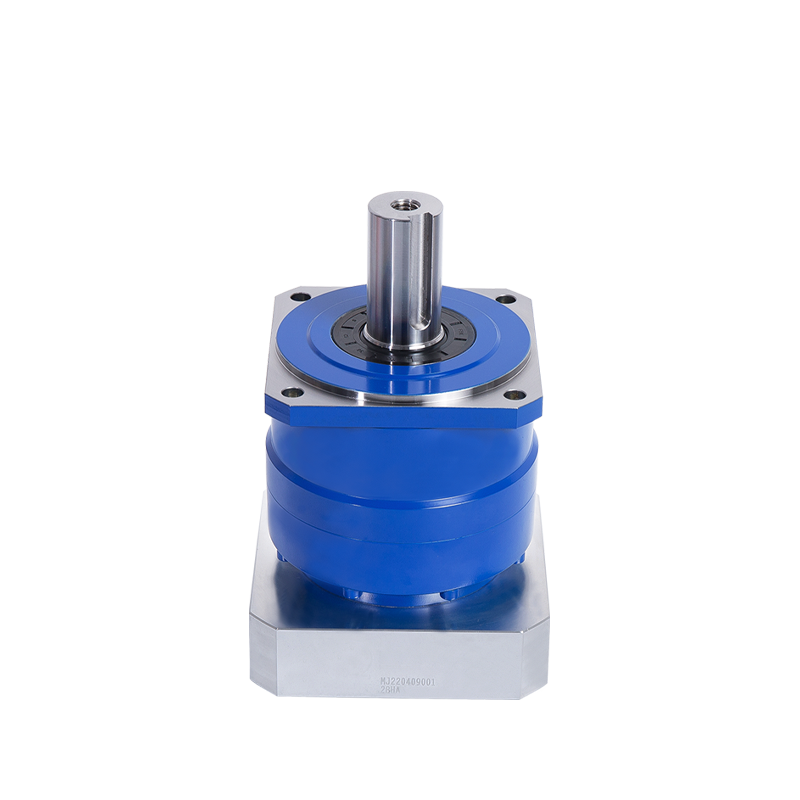
Industry-product lineupApplicable to: Door drive (planetary, coaxial shaft)MKB Precision Planetary Reducer is a cutting-edge mechanical device designe...
See Details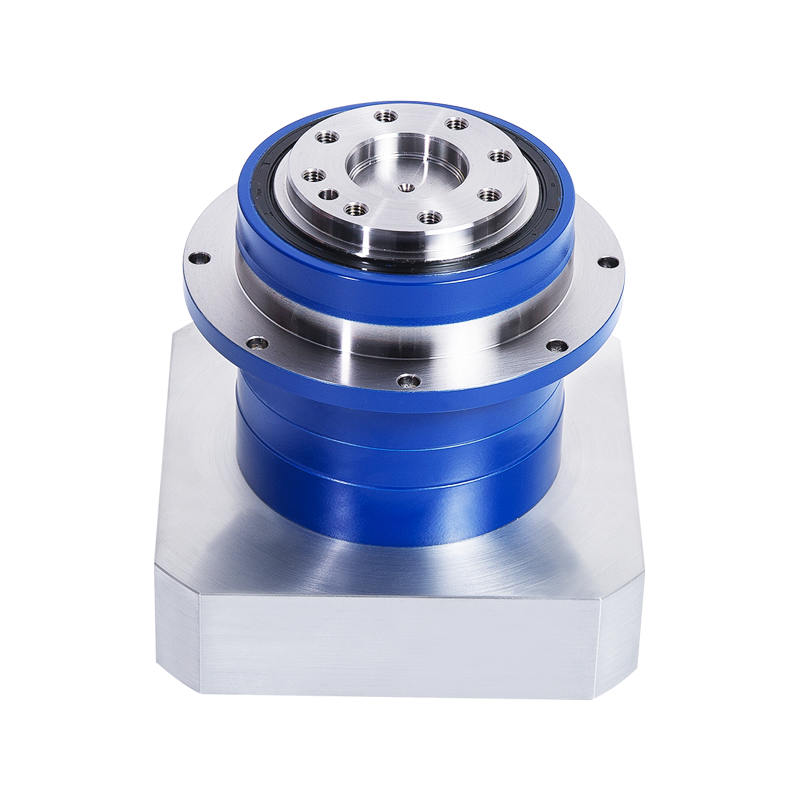
Meet the needs of customers with high precision requirements for semiconductor devices, automation equipment, machine tools, etc.Applicable to: Door d...
See Details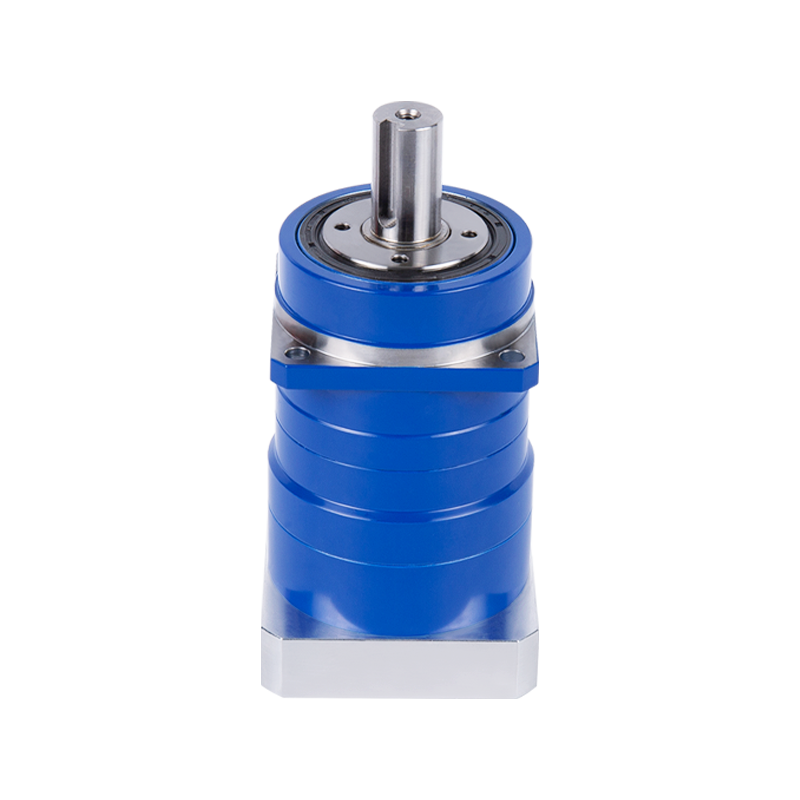
MKS Precision Planetary Reducer and servo motors represent a pinnacle in motion control technology. Their combined strengths — precision engineering, ...
See Details
Ball bearings, orthogonal axis, more flexible installationMKEB Planetary Reducer stands as a testament to advancements in planetary gear technology, f...
See Details
Suitable for customers with high output and compact requirementsApplicable to: Crossed roller bearings, for door drive (planetary, orthogonal shaft/ho...
See Details
MKEL Planetary Reducer specifically engineered for the intricate demands of semiconductor fabrication processes integrates into manufacturing equipmen...
See Details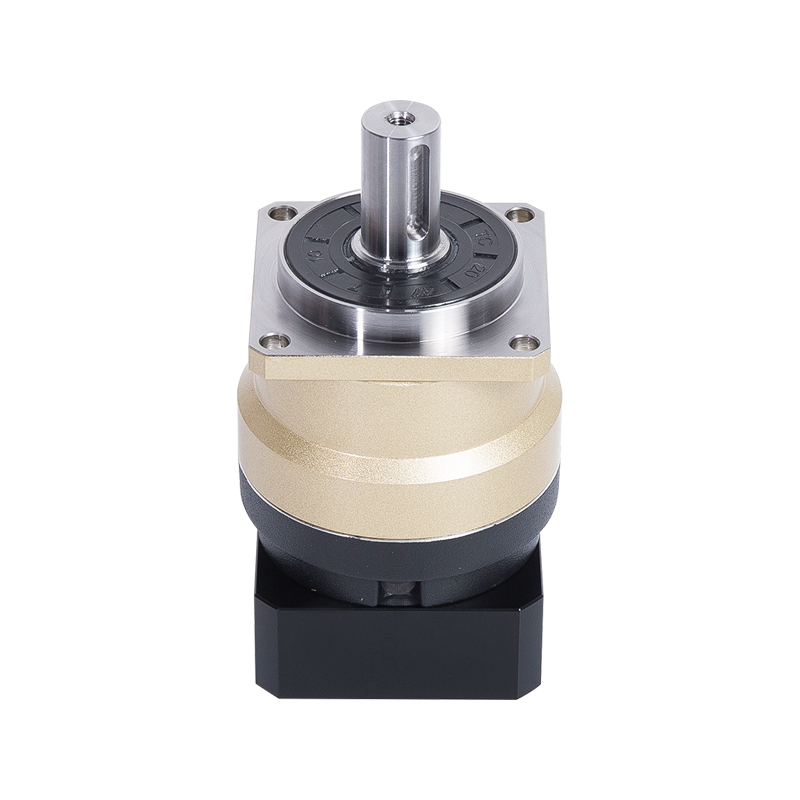
Helical gear design, high bite rate, smooth operation, low noise, low backlash. The sun gear output shaft bearing is designed directly in the arm to e...
See Details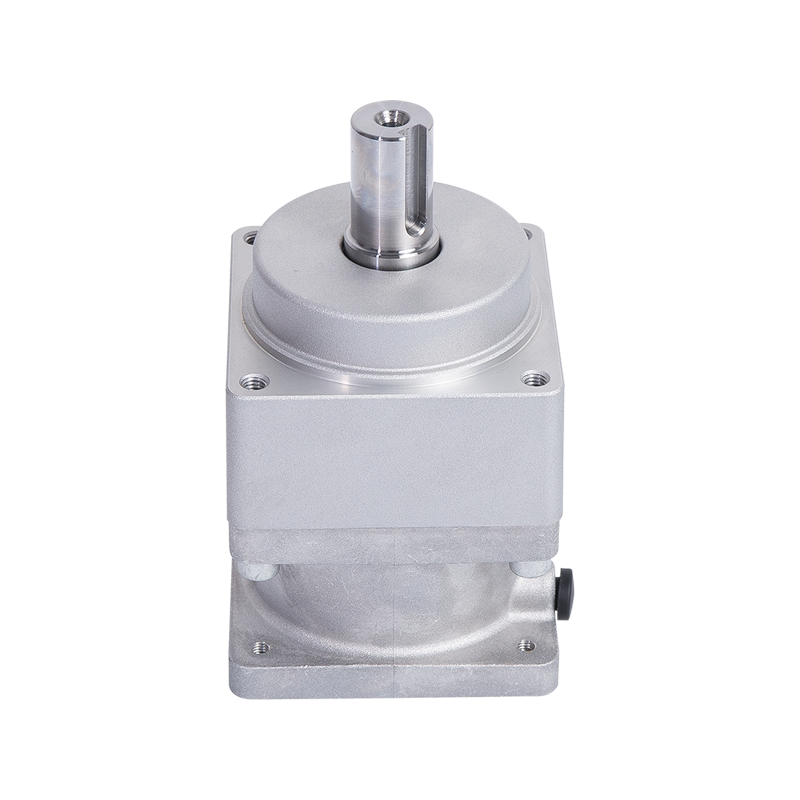
This MKGC-5C-400 high torque durable economical star reducer is designed for stable, cost-effective power transmission in general industrial and heavy...
See Details
MPEB helical gear design economical star reducer a departure from conventional spur gears. The helical gear design brings a host of advantages, includ...
See Details
The worm bevel double output shaft type planetary reducer uses a combination of worm gear transmission and planetary gear transmission to improve the ...
See Details
MAKIKAWA-MOTION TECHNOLOGY (ZHEJIANG) CO., LTD. @ All rights reserved

Custom High Precision Planetary Gearbox Reducer Manufacturers