

 en
en русский
 Deutsch
 日本語
日本語 Español
 简体中文
简体中文Servo Motor MKT Precision Planetary Reducer
Cat:MK series planetary reducer
Meet the needs of customers with high precision requirements for semiconductor devices, automation equipment, machine tools, etc.Applicable to: Door d...
See DetailsContent
A high precision planetary gear reducer is not simply a torque multiplier. It is the definitive link between a servo motor and the mechanical load, directly determining positioning accuracy, path fidelity, and system longevity. In automation applications where deviations are measured in microns, these reducers deliver a combination of backlash as low as 1 arcmin, exceptional torsional rigidity, and a service life that often exceeds 20,000 hours without maintenance. The core value lies in their ability to transform high-speed, low-torque motor input into low-speed, high-torque output with near-zero lost motion, all while maintaining a compact envelope that standard gear trains cannot match.
True high precision in a planetary reducer begins at the gear tooth profile. Achieving μ-level accuracy—where dimensional tolerances remain within 0.001 mm—demands more than standard hobbing. It requires precision grinding and honing processes performed on dedicated Japanese or German equipment, paired with tight environmental controls. The internal ring gear, sun gear, and planet gears must be machined to such a level that the surface roughness and pitch deviations are minimized, directly suppressing vibration and noise.
To prevent edge contact under load, manufacturers apply minute crowning modifications and optimized profile shifts. This ensures that even when the reducer handles its peak rated torque, the gear mesh remains centered and uniform, preventing localized stress concentrations that lead to premature pitting or failure. Such refinements elevate a standard planetary gear reducer to a high precision solution.
Precision geometry means little without metallurgical consistency. High-end planetary gear reducer manufacturers rely on materials conforming to strict JIS specifications, guaranteeing uniform hardness, core toughness, and case depth after heat treatment. Chromium-molybdenum alloy steels are typical, carburized and quenched to achieve surface hardness above 58 HRC while retaining a ductile core. This dual property enables the gears to withstand repetitive shock loads common in robotic start-stop cycles without surface spalling or tooth fracture.
The carrier and housing materials are equally critical. Ductile iron or high-rigidity aluminum alloys are often chosen for their vibration-damping characteristics, ensuring that noise levels stay below 60 dB(A) even at 3,000 rpm input speeds. The resulting drive train operates smoothly in sensitive environments like semiconductor fabrication or medical device assembly.
High precision planetary reducers are designed around five non-negotiable performance pillars. A failure in any one area disqualifies the unit from mission-critical automation tasks.
Off-the-shelf planetary reducers cannot satisfy every application. High precision manufacturers offer deep customization capabilities, from custom pinion output flanges and special shaft geometries to adapted motor adapter plates. For example, in automated guided vehicles (AGVs), wheel-drive reducers often need an integrated right-angle design with a specific mounting interface and enhanced radial load capacity of over 15,000 N. For semiconductor wafer handling robots, a bespoke hollow shaft design may be required to pass cables and vacuum lines directly through the reducer center.
A manufacturer addressing photovoltaic tracking systems needed a reducer capable of withstanding high overturning moments while holding position without power. The solution was a custom high precision planetary stage with an integrated electromagnetic brake and corrosion-resistant surface treatment, tested to 3,000 hours of salt-spray exposure. Such adaptations are routine when the design and production teams share a single, agile facility.
The versatility of a high precision planetary gear reducer becomes evident when examining its diverse deployment fields. The table below captures the distinct technical demands found in leading sectors.
| Industry | Primary Requirement | Reducer Characteristic Leveraged |
|---|---|---|
| Lithium Battery Equipment | Contamination-free cleanroom operation | Sealed design with food-grade lubrication |
| Scara & Parallel Robots | Near-zero backlash for precise pick-and-place | Backlash < 1 arcmin, high torsional stiffness |
| Laser Cutting Machines | Smooth velocity ripple at high traverse speeds | Precision-ground helical gears |
| AGV Drive Units | High radial load capacity and compact packaging | Reinforced output bearings, integrated motor flange |
A systematic selection process avoids over-engineering and early field failures. The essential steps are sequential and data-driven.
By linking each operational metric to a tangible reducer specification, engineers obtain a drive solution that behaves predictably throughout its entire lifecycle, from the first cycle to the ten-millionth.
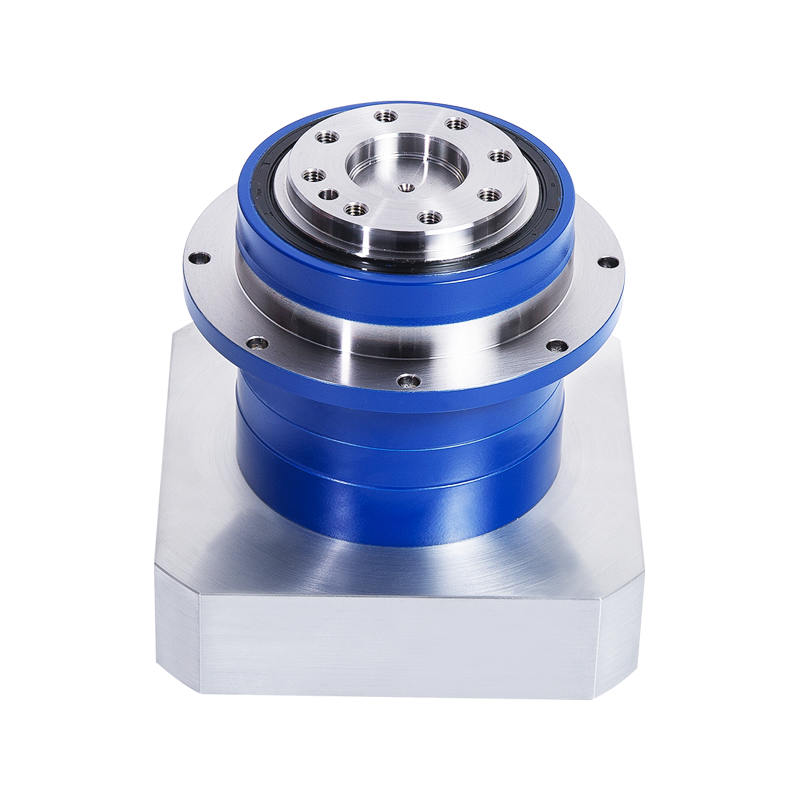
Meet the needs of customers with high precision requirements for semiconductor devices, automation equipment, machine tools, etc.Applicable to: Door d...
See Details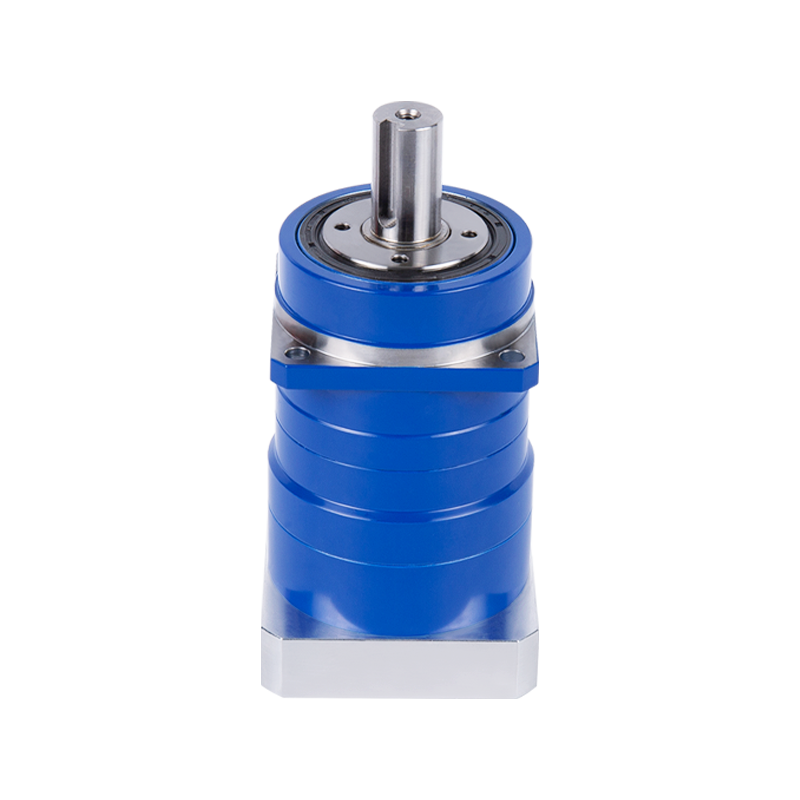
MKS Precision Planetary Reducer and servo motors represent a pinnacle in motion control technology. Their combined strengths — precision engineering, ...
See Details
Industry- product lineupApplicable to: Door drive (planetary, coaxial shaft)MKL Precision Planetary Reducer lies in its multi-size segment selection c...
See Details
Suitable for customers with high output and compact requirementsApplicable to: Crossed roller bearings, for door drive (planetary, orthogonal shaft/ho...
See Details
Suitable for customers with rich needs such as semiconductor manufacturing equipment and machine toolsApplicable to: Tapered roller bearings for door ...
See Details
MKEL Planetary Reducer specifically engineered for the intricate demands of semiconductor fabrication processes integrates into manufacturing equipmen...
See Details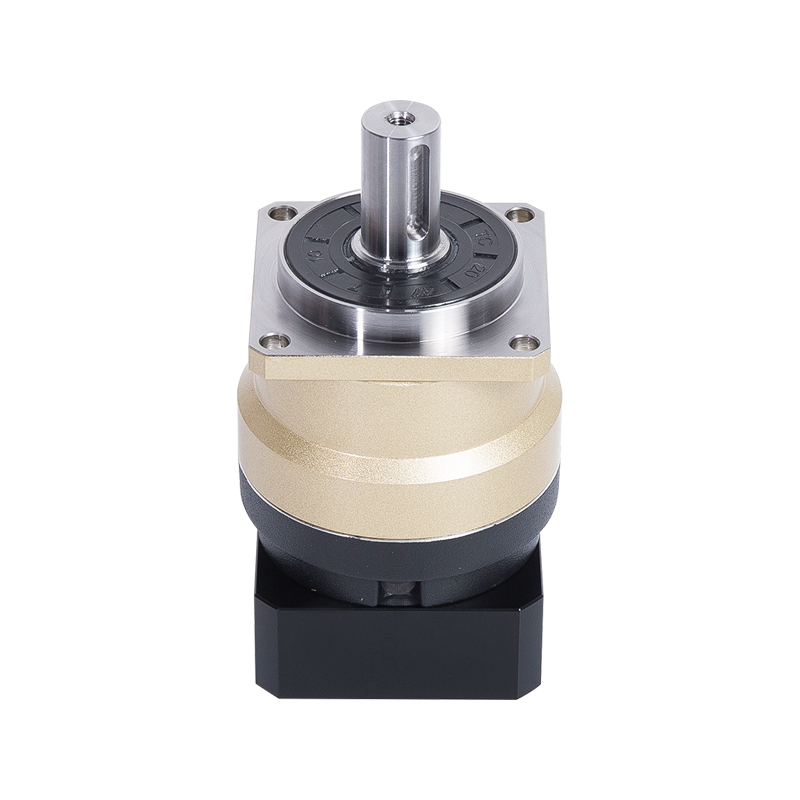
Helical gear design, high bite rate, smooth operation, low noise, low backlash. The sun gear output shaft bearing is designed directly in the arm to e...
See Details
MPEB helical gear design economical star reducer a departure from conventional spur gears. The helical gear design brings a host of advantages, includ...
See Details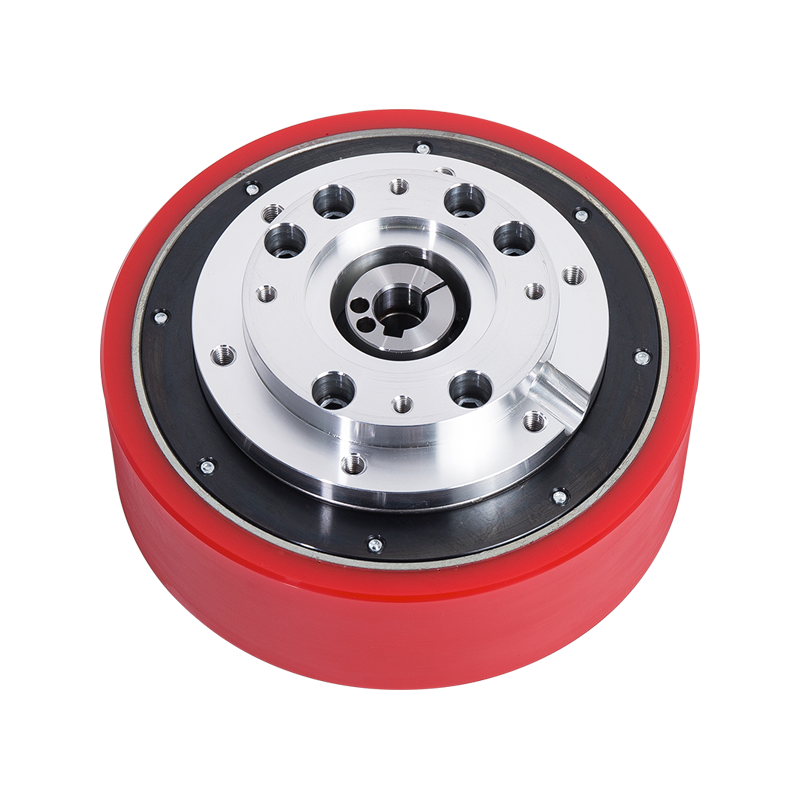
At the heart of the RCIV ring gear output AGV special planetary reducer is a sophisticated design that features a distinctive ring gear output configu...
See Details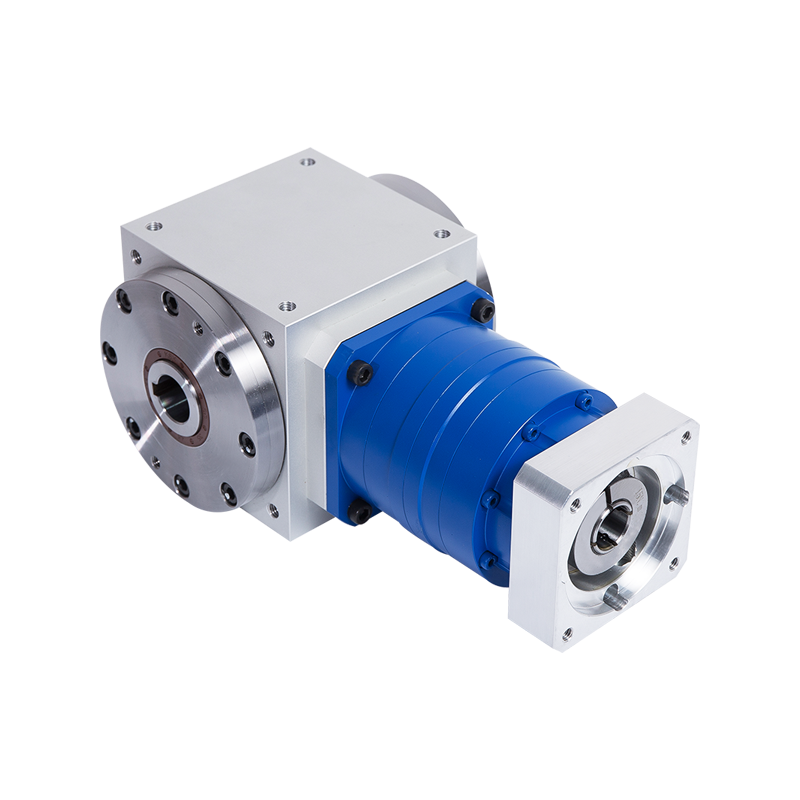
The hollow-type high-precision spiral bevel gear reducer is specially designed. The hollow design makes the center space of the reducer empty and can ...
See Details
MAKIKAWA-MOTION TECHNOLOGY (ZHEJIANG) CO., LTD. @ All rights reserved

Custom High Precision Planetary Gearbox Reducer Manufacturers