

 en
en русский
 Deutsch
 日本語
日本語 Español
 简体中文
简体中文Door Driving Precision Planetary Reducer
Cat:MK series planetary reducer
Industry-product lineupApplicable to: Door drive (planetary, coaxial shaft)MKB Precision Planetary Reducer is a cutting-edge mechanical device designe...
See DetailsContent
Planetary reducer gearboxes are compact, high-efficiency power transmission devices that use a central sun gear, multiple planet gears, and a ring gear to achieve high torque output in a small footprint. They are the preferred choice in applications demanding precision, high torque density, and long service life — from industrial robotics to wind turbines and electric vehicles.
Unlike parallel-shaft or worm gearboxes, planetary designs distribute load across multiple gear contacts simultaneously. This means a planetary gearbox can handle up to 40% more torque than a similarly sized conventional gearbox, while maintaining efficiencies typically between 95% and 98% per stage.
The core mechanism consists of four main components working together to reduce speed and multiply torque:
When the motor drives the sun gear, the planet gears rotate and orbit within the ring gear. The planet carrier — attached to the output — turns at a reduced speed but with multiplied torque. This coaxial design (input and output sharing the same axis) is what makes planetary gearboxes exceptionally space-efficient.
Comparing planetary reducer gearboxes to common alternatives highlights their structural superiority in demanding environments:
| Feature | Planetary Gearbox | Worm Gearbox | Helical Gearbox |
|---|---|---|---|
| Efficiency | 95–98% | 50–90% | 94–97% |
| Torque Density | Very High | Medium | High |
| Backlash | Very Low (≤3 arcmin in precision models) | Medium–High | Medium |
| Size/Weight | Compact | Compact | Larger |
| Cost | Medium–High | Low–Medium | Medium |
The low backlash characteristic is especially critical. In CNC machining and robotic joints, even 1–2 arcminutes of positional error can translate into measurable inaccuracies at the end effector. Precision planetary gearboxes rated at ≤1 arcmin are specifically engineered for these environments.
Not all planetary gearboxes are built the same. The right type depends on your torque requirements, gear ratio needs, and environmental conditions.
The most standard configuration, where input and output shafts are aligned on the same axis. Widely used in servo motor applications, conveyors, and packaging machinery. Gear ratios typically range from 3:1 to 100:1 per stage, with multi-stage versions reaching 512:1 or beyond.
These incorporate a bevel or hypoid gear set to redirect the output 90° relative to the input. They are common in material handling and printing systems where space constraints prevent a straight-through shaft arrangement.
Built to tighter tolerances with ground gears and preloaded bearings. Backlash is typically rated at ≤3 arcmin (standard) or ≤1 arcmin (high precision). These are essential in robotics, medical devices, and semiconductor manufacturing equipment.
Designed for high radial and axial loads, these units feature reinforced housings, larger bearing assemblies, and case-hardened gear teeth. They are common in mining, steel mills, and wind turbine pitch control systems, where output torques can exceed 500,000 Nm.
Planetary reducer gearboxes appear across virtually every sector of modern industry. Their specific strengths make them dominant in the following fields:
Choosing incorrectly leads to premature failure, poor efficiency, or oversized costs. Work through these parameters in order:
As a practical example: a six-axis welding robot joint running at 200 Nm continuous torque with peak demands of 400 Nm should be spec'd to a gearbox rated for at least 500 Nm peak torque with ≤3 arcmin backlash, using a service factor of 1.25 to account for dynamic reversal loads.
Planetary gearboxes are relatively low-maintenance, but neglect shortens service life significantly. Industry data suggests that over 50% of gearbox failures are attributable to lubrication issues — either wrong grease type, quantity, or change intervals.
The gear ratio of a planetary gearbox directly determines its torque multiplication and speed reduction. The relationship is governed by the formula:
Gear Ratio = (Number of Ring Gear Teeth / Number of Sun Gear Teeth) + 1
For example, a ring gear with 72 teeth and a sun gear with 24 teeth gives a ratio of 72/24 + 1 = 4:1. Higher ratios require multi-stage designs, where two or more planetary sets are arranged in series.
It's worth noting that while higher gear ratios produce more torque, each additional stage adds mechanical losses. A two-stage planetary gearbox at 95% efficiency per stage delivers approximately 90.25% overall efficiency — still excellent compared to alternatives, but worth calculating for energy-sensitive applications.
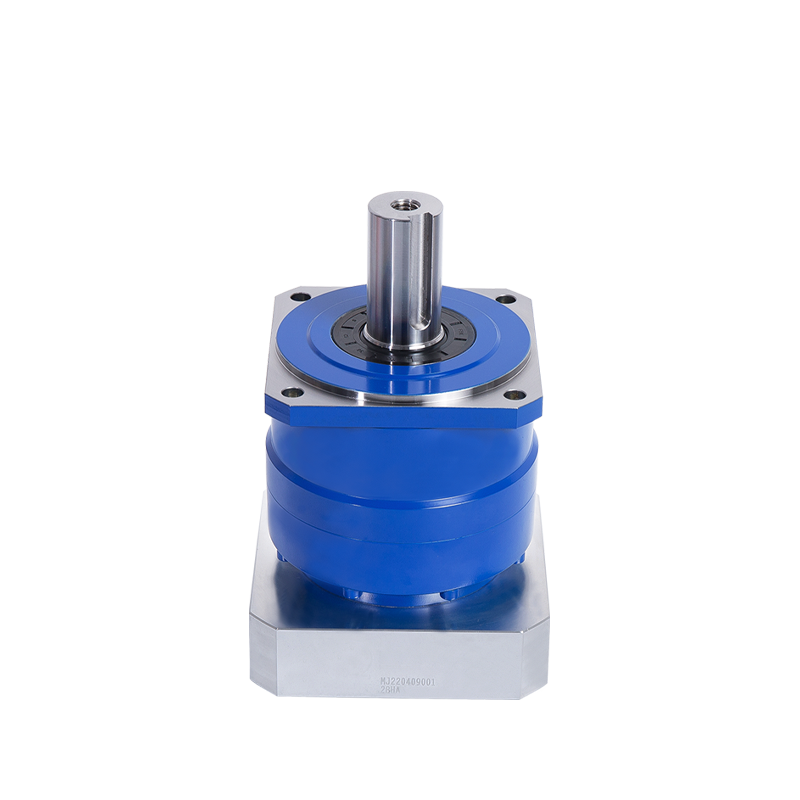
Industry-product lineupApplicable to: Door drive (planetary, coaxial shaft)MKB Precision Planetary Reducer is a cutting-edge mechanical device designe...
See Details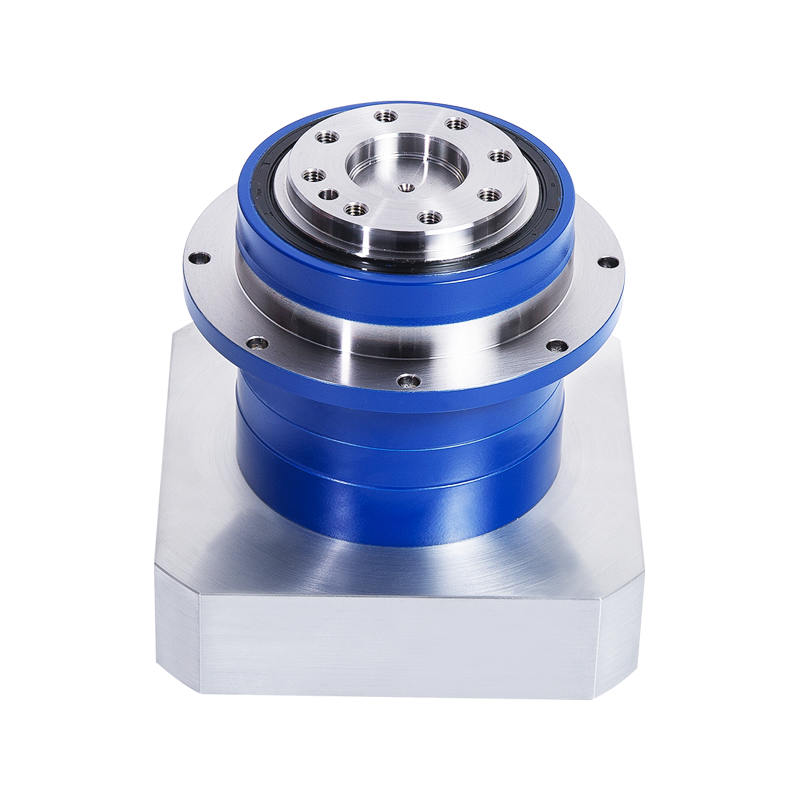
Meet the needs of customers with high precision requirements for semiconductor devices, automation equipment, machine tools, etc.Applicable to: Door d...
See Details
Industry- product lineupApplicable to: Door drive (planetary, coaxial shaft)MKL Precision Planetary Reducer lies in its multi-size segment selection c...
See Details
Ball bearings, orthogonal axis, more flexible installationMKEB Planetary Reducer stands as a testament to advancements in planetary gear technology, f...
See Details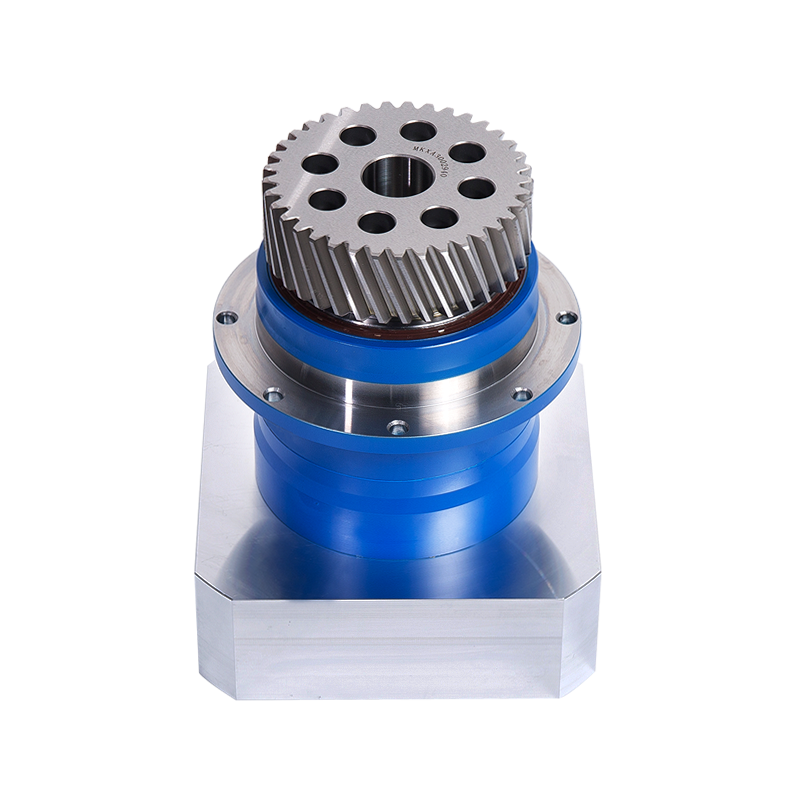
Laser-cutting equipment often operates in confined spaces, requiring motion control systems that can seamlessly integrate without compromising efficie...
See Details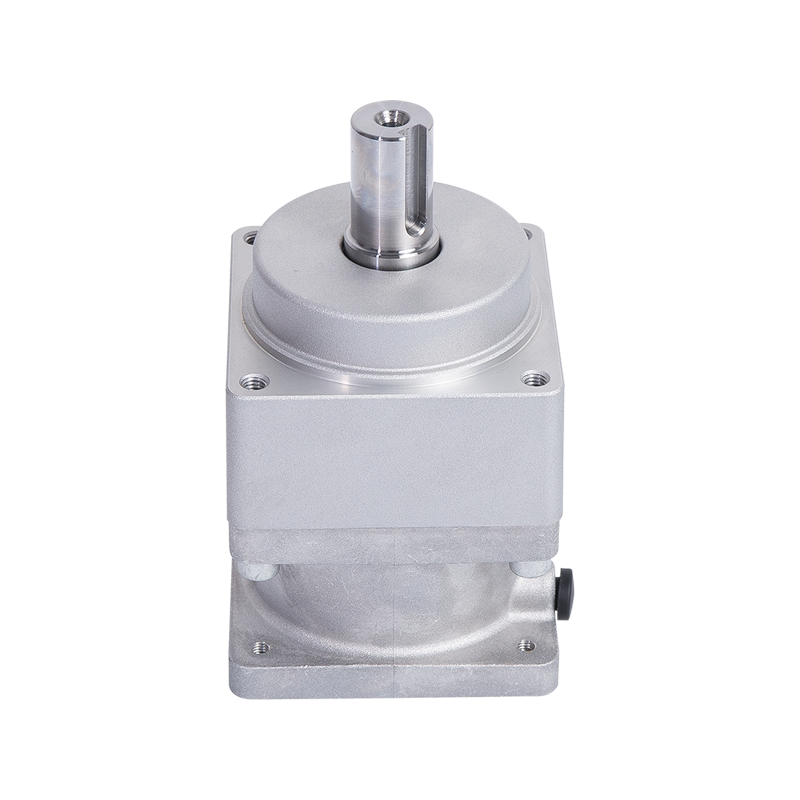
This MKGC-5C-400 high torque durable economical star reducer is designed for stable, cost-effective power transmission in general industrial and heavy...
See Details
MPEB helical gear design economical star reducer a departure from conventional spur gears. The helical gear design brings a host of advantages, includ...
See Details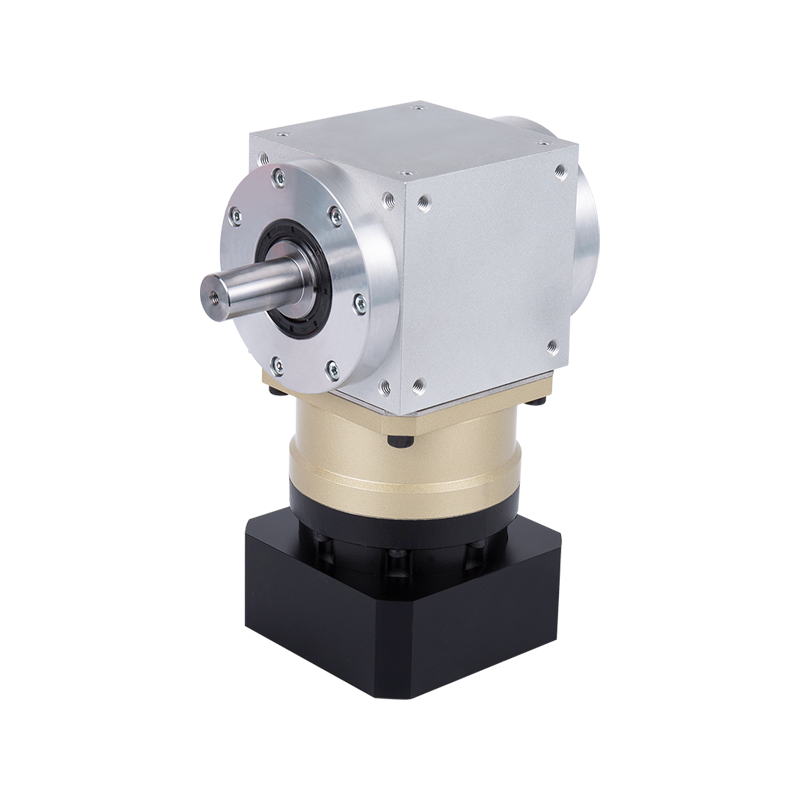
The planetary reducer adopts a planetary gear transmission structure, which has high transmission efficiency, and the single solid shaft design can re...
See Details
The worm bevel double output shaft type planetary reducer uses a combination of worm gear transmission and planetary gear transmission to improve the ...
See Details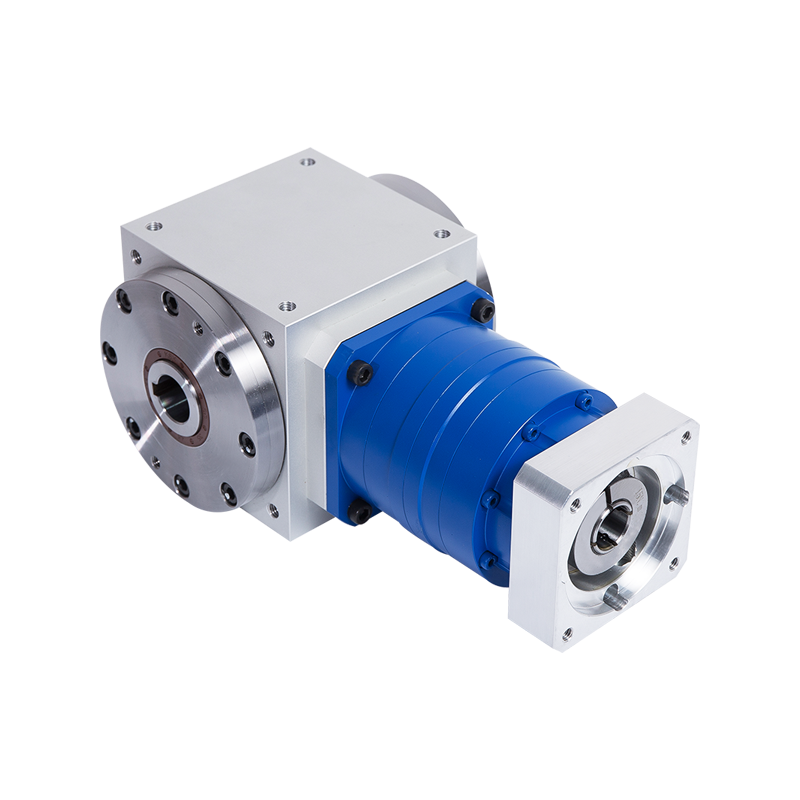
The hollow-type high-precision spiral bevel gear reducer is specially designed. The hollow design makes the center space of the reducer empty and can ...
See Details
MAKIKAWA-MOTION TECHNOLOGY (ZHEJIANG) CO., LTD. @ All rights reserved

Custom High Precision Planetary Gearbox Reducer Manufacturers