

 en
en русский
 Deutsch
 日本語
日本語 Español
 简体中文
简体中文Servo Motor MKT Precision Planetary Reducer
Cat:MK series planetary reducer
Meet the needs of customers with high precision requirements for semiconductor devices, automation equipment, machine tools, etc.Applicable to: Door d...
See DetailsContent
Choosing the wrong planetary gearbox doesn't just hurt performance — it leads to premature failure, unplanned downtime, and costly replacements. Over the years, we've worked with engineers across industrial automation, AGV systems, semiconductor manufacturing, and laser cutting, and the selection mistakes we see most often come down to the same few misunderstood parameters. This guide walks you through the key criteria you need to evaluate before specifying a planetary gearbox, so you can make a decision grounded in engineering reality rather than catalog browsing.
The single most important starting point is a clear picture of the load your gearbox will carry — not just the nominal torque, but the full dynamic picture. Many engineers spec a gearbox based on rated output torque alone and overlook peak shock loads, which can be 2 to 5 times the nominal value in applications like conveyor start-stop cycles or robotic joint reversals.
You need to define three torque values:
A properly selected gearbox should have a rated output torque that comfortably exceeds T2n, while its peak torque rating covers T2peak with at least a 10–20% safety margin. Undersizing here is the leading cause of premature bearing and gear failure.
Also factor in the load's nature: is it purely rotary, or does it include radial and axial forces from a pinion rack, cable drum, or roller? These side loads directly stress the output shaft bearings and must be within the gearbox's rated radial and axial load capacity.
Gear ratio selection links your motor's operating speed to the required output speed and torque. The relationship is straightforward: a ratio of i = 10:1 reduces speed by a factor of 10 and multiplies torque by the same factor (minus efficiency losses, typically 95–98% per stage in a well-manufactured planetary gearbox).
In practice, most single-stage planetary gearboxes cover ratios from 3:1 to 10:1, while two-stage units extend this to the range of 25:1 to 100:1. If you need a very high ratio in a compact form, a two-stage unit will almost always outperform a single-stage design with the same frame size.
A common mistake is selecting a ratio based solely on the desired output speed at full motor speed. Always verify that the ratio also satisfies torque requirements at the lowest speed your application demands, especially in servo applications where torque must remain constant across a wide speed range.
| Stage Configuration | Typical Ratio Range | Typical Efficiency | Best Suited For |
|---|---|---|---|
| Single Stage | 3:1 – 10:1 | 95–98% | High speed, compact drives |
| Two Stage | 10:1 – 100:1 | 90–96% | High torque, precision servo |
| Three Stage | 100:1 – 1000:1 | 85–93% | Very low speed, heavy torque |
Backlash is the angular free play at the output shaft when the input is held stationary. It is the most discussed — and most misunderstood — parameter in planetary gearbox selection. Backlash is measured in arcminutes (arcmin), and the lower the value, the higher the positional accuracy of your system.
As a general guide:
Do not over-specify backlash. A 1 arcmin unit can cost 3–5 times more than a 5 arcmin unit of the same frame size. If your application repeats in one direction only (unidirectional positioning), backlash may not affect accuracy at all, so you could safely accept a higher value and reduce cost significantly.
Also note that backlash increases over the gearbox's service life as internal surfaces wear. For long-life applications, start with a unit rated one class tighter than your minimum requirement.
A planetary gearbox is only as useful as its ability to physically mate with your motor. The input interface is a critical but often overlooked selection dimension. There are two primary configurations:
The motor shaft is inserted directly into a clamping hub on the gearbox input. This design provides a backlash-free mechanical connection and is standard in servo motor applications. The input bore diameter and motor flange dimensions must match exactly — mismatches here are surprisingly common, especially when mixing components from different regional standards (IEC vs. NEMA).
When the gearbox is designed to accept a wide range of motor brands and sizes, an adapter plate bridges the motor flange to the gearbox housing. This is more flexible but adds axial length to the assembly. Verify that the adapter's concentricity tolerance is within your system's allowable misalignment, or else you introduce vibration and accelerated wear at the input stage.
Always confirm both the motor shaft diameter, the motor flange pilot diameter, and the bolt circle dimensions before ordering. Even 0.1 mm of interference fit mismatch can make installation impossible or damage the motor shaft during assembly.
Planetary gearboxes are available in several output and mounting configurations, each suited to different mechanical layouts:
The output bearing type also matters for systems with combined loads. Crossed roller bearings handle simultaneous radial, axial, and moment loads in a single compact unit, making them the preferred choice for rotary tables and direct-drive turntables. Tapered roller bearings offer higher rigidity for heavy radial and axial loads. Standard deep-groove ball bearings are sufficient for most inline servo applications where side loads are minimal.
If you are designing for AGV drive wheels, door drives, semiconductor handling, or laser cutting axes, our high-precision planetary gearbox product range covers inline, right-angle, hollow shaft, and flange output variants engineered specifically for these demanding scenarios.
Torsional rigidity (also called torsional stiffness) is often listed in gearbox datasheets in units of Nm/arcmin or Nm/rad. It describes how much the output shaft deflects angularly under an applied torque. In servo-driven motion systems, this parameter directly affects the servo loop bandwidth — a gearbox that is too compliant limits how aggressively you can tune the servo, reducing dynamic response and settling time.
For high-dynamic servo axes — for example, a pick-and-place robot arm operating at cycle rates above 60 cycles per minute — torsional rigidity should be a primary selection criterion, not an afterthought. A unit with 30 Nm/arcmin rigidity will respond very differently from one rated at 8 Nm/arcmin, even if both have identical torque ratings and backlash.
In practical terms, higher rigidity is achieved through:
For applications in medical equipment, clean rooms, or food processing, noise level and lubrication type become selection criteria with real regulatory or operational weight.
Helical gear designs run significantly quieter than straight-cut spur gears due to gradual tooth engagement. At equivalent speeds and loads, helical planetary gearboxes typically operate 5–10 dB(A) quieter than spur-gear equivalents. In collaborative robot joints or medical imaging positioners where acoustic emissions matter, always specify a helical gear stage.
Most precision planetary gearboxes are grease-lubricated and sealed for life, eliminating the need for maintenance intervals — a significant advantage in automated production lines. However, verify the operating temperature range of the grease. Standard mineral grease may harden below −10°C or degrade above +90°C. For outdoor AGV systems, cold-storage environments, or high-cycle thermal applications, specify units with synthetic grease rated for your temperature extremes.
Planetary gearboxes used in wash-down environments, outdoor machinery, or dusty production floors need appropriate shaft seals and housing ingress protection. An IP65 rating is the minimum practical standard for anything exposed to water jets or airborne particulates. For submerged or high-pressure wash-down applications, verify that the output shaft seal is rated accordingly.
Planetary gearboxes are manufactured in standardized frame sizes, typically expressed as the outer housing diameter in millimeters — for example, Ø60, Ø80, Ø120, Ø160. Within each frame size, manufacturers offer multiple gear ratios and output configurations. The frame size primarily determines the gearbox's torque capacity, rigidity, and shaft diameter.
A key rule of thumb: never select a gearbox that is operating at more than 80% of its rated output torque continuously. Running at 90–100% of rated torque significantly reduces service life. The temperature generated by internal friction at high loads accelerates grease degradation and bearing wear in a non-linear way — doubling continuous torque can cut service life by a factor of four or more.
When space is constrained, resist the temptation to force a smaller frame size by running at its torque limit. In most cases, the incremental cost of the next frame size up is far less than an early field replacement.
Before finalizing your gearbox specification, run through the following checklist to confirm you have addressed every critical parameter:
If you are still uncertain after working through these criteria, share your application data with us directly. As a manufacturer with roots in Japanese precision machining technology and μ-level gear processing capabilities, we can review your requirements and recommend the most suitable configuration from our high-precision planetary gearbox series — covering MK, MP, RC, and MKAT/MPAT lines engineered for servo, AGV, semiconductor, and automation applications.
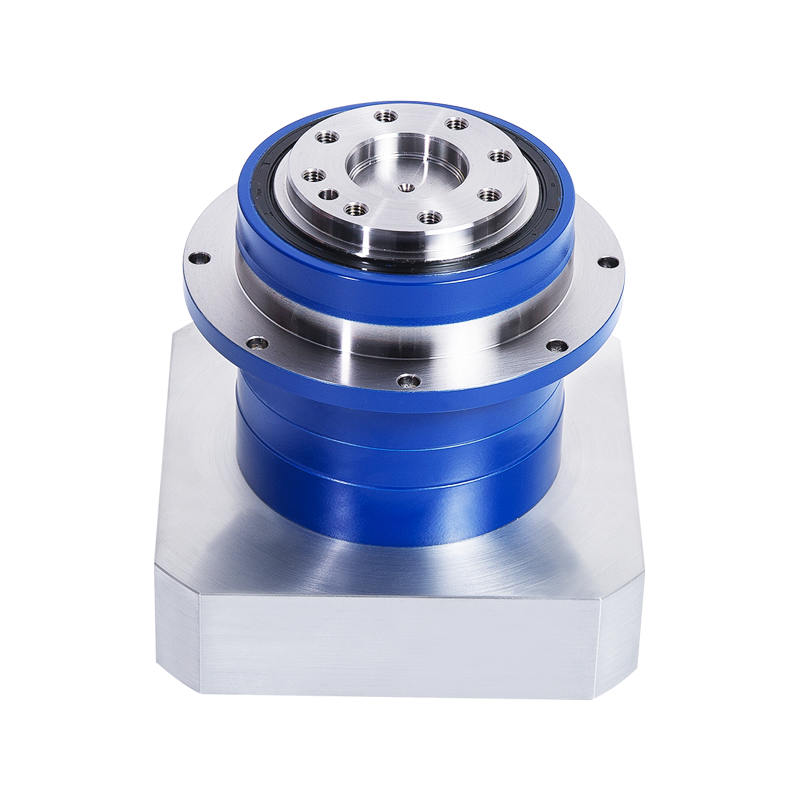
Meet the needs of customers with high precision requirements for semiconductor devices, automation equipment, machine tools, etc.Applicable to: Door d...
See Details
Industry- product lineupApplicable to: Door drive (planetary, coaxial shaft)MKL Precision Planetary Reducer lies in its multi-size segment selection c...
See Details
Meet the needs of customers with high-precision requirements for semiconductor devices, machine tools, etc.MKG reducer meets the various needs of cust...
See Details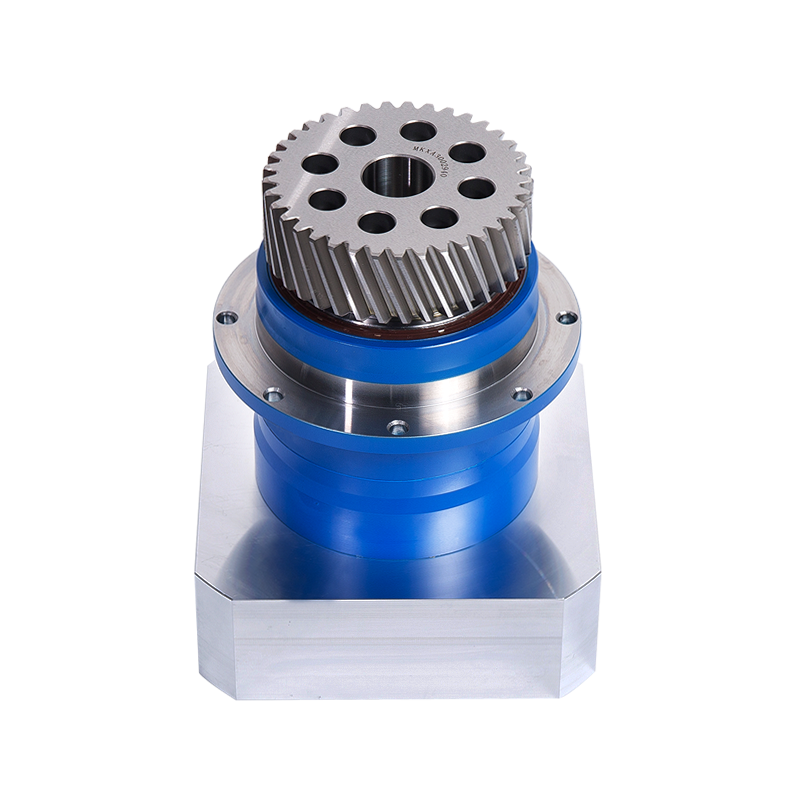
Laser-cutting equipment often operates in confined spaces, requiring motion control systems that can seamlessly integrate without compromising efficie...
See Details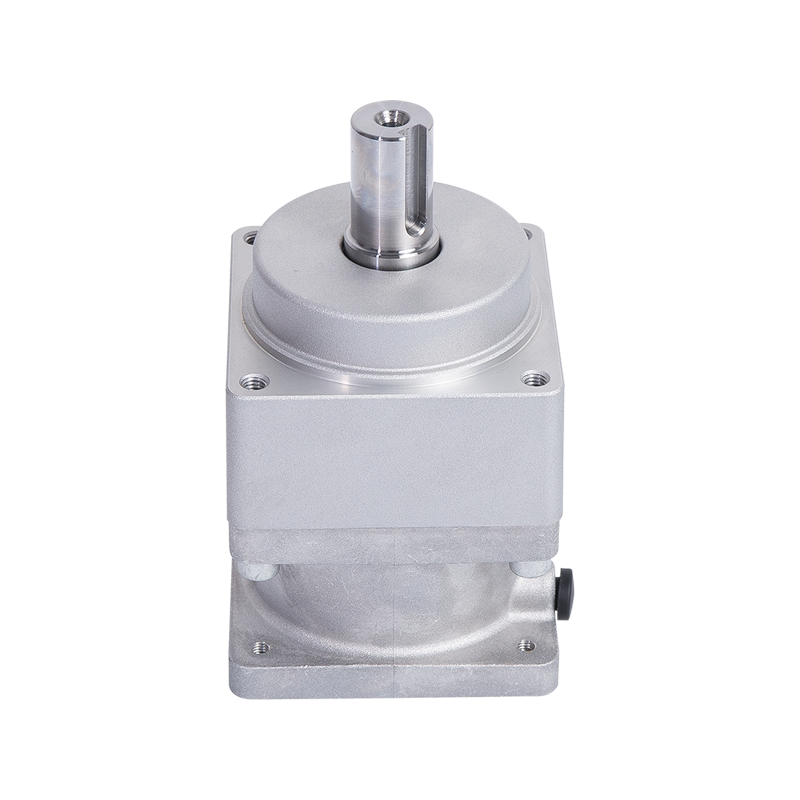
This MKGC-5C-400 high torque durable economical star reducer is designed for stable, cost-effective power transmission in general industrial and heavy...
See Details
MPEB helical gear design economical star reducer a departure from conventional spur gears. The helical gear design brings a host of advantages, includ...
See Details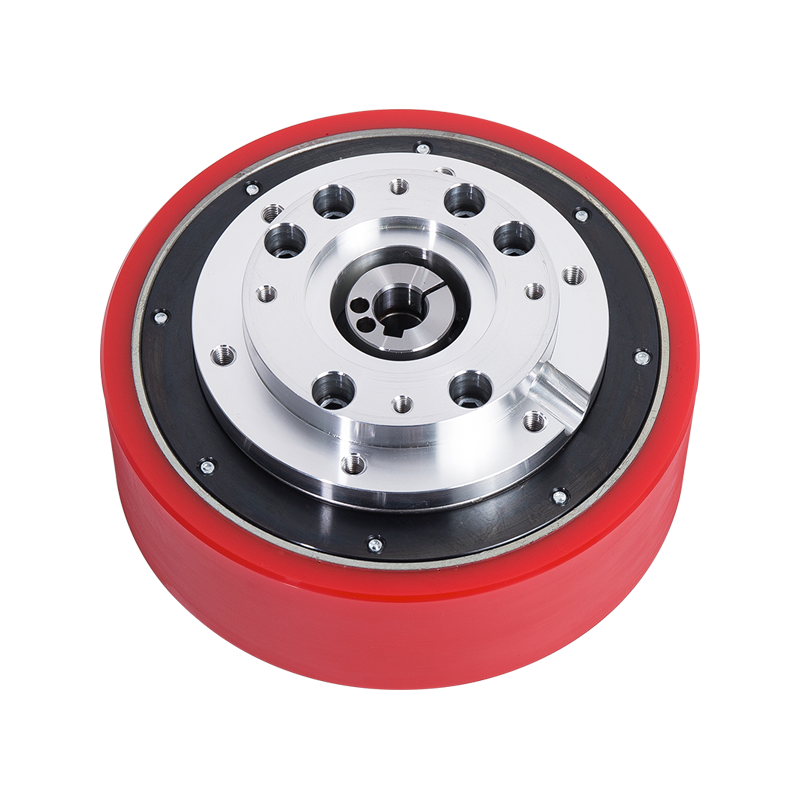
At the heart of the RCIV ring gear output AGV special planetary reducer is a sophisticated design that features a distinctive ring gear output configu...
See Details
High-performance output shaft type planetary reducer, with high rated speed and high dynamic application, adopts lightweight design and high-efficienc...
See Details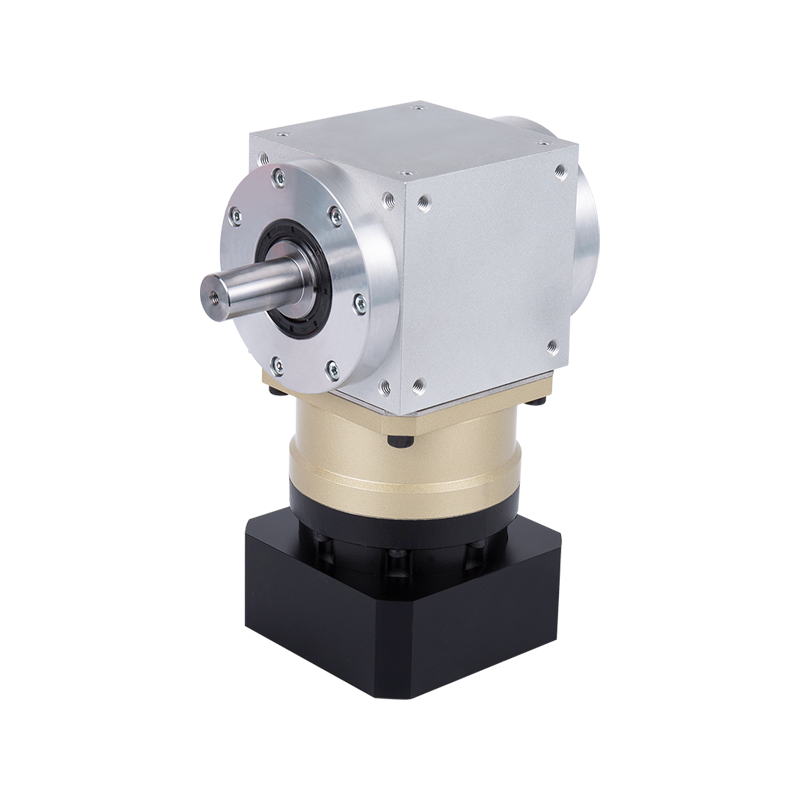
The planetary reducer adopts a planetary gear transmission structure, which has high transmission efficiency, and the single solid shaft design can re...
See Details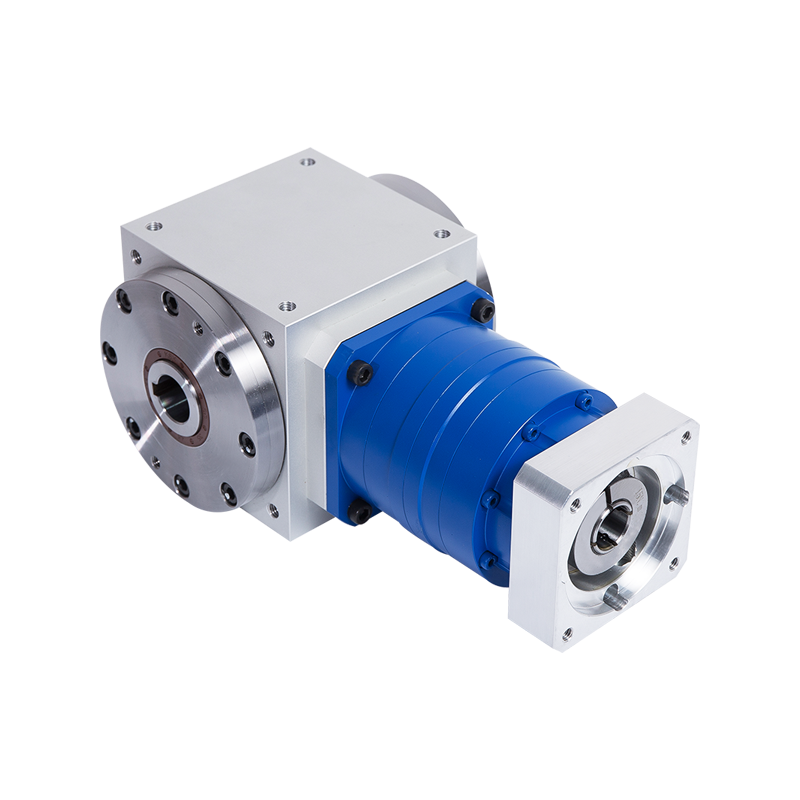
The hollow-type high-precision spiral bevel gear reducer is specially designed. The hollow design makes the center space of the reducer empty and can ...
See Details
MAKIKAWA-MOTION TECHNOLOGY (ZHEJIANG) CO., LTD. @ All rights reserved

Custom High Precision Planetary Gearbox Reducer Manufacturers