

 en
en русский
 Deutsch
 日本語
日本語 Español
 简体中文
简体中文Door Driving Precision Planetary Reducer
Cat:MK series planetary reducer
Industry-product lineupApplicable to: Door drive (planetary, coaxial shaft)MKB Precision Planetary Reducer is a cutting-edge mechanical device designe...
See DetailsContent
A motor with reduction gearbox — often called a gearmotor — integrates an electric motor with a mechanical gear system in a single compact unit. Its core function is straightforward: it reduces rotational speed while simultaneously multiplying output torque. If an electric motor spins at 1,500 RPM but your conveyor only needs 30 RPM, a 50:1 reduction ratio gearbox bridges that gap without sacrificing power delivery.
This mechanical relationship is governed by a simple principle — when speed decreases by a given ratio, torque increases by the same ratio (minus efficiency losses). In practice, a well-designed gearmotor with 90–95% gearbox efficiency delivers most of that theoretical torque gain to the output shaft. That is why gearmotors are preferred over using oversized motors to brute-force low-speed, high-torque tasks.
Not all reduction gearboxes are built the same. The gear geometry defines torque capacity, noise level, efficiency, and the physical footprint of the entire unit.
Spur gearmotors use straight-cut teeth on parallel shafts. They are cost-effective and easy to maintain, but generate noticeable noise at higher speeds. Helical variants use angled teeth that engage progressively, which reduces noise by 3–8 dB compared to spur designs and handles higher radial loads. Most industrial conveyor, packaging, and material handling lines rely on helical or helical-bevel combinations.
Planetary gearmotors distribute load across multiple planet gears orbiting a central sun gear. This arrangement delivers high torque density in a compact axial footprint — ideal for robotics, servo drives, and applications where space is constrained. Backlash in precision planetary units can be held below 3 arcmin, making them standard in CNC axes and automated assembly equipment.
Worm gearmotors achieve high reduction ratios — commonly 10:1 to 100:1 in a single stage — and provide a natural self-locking effect when the lead angle is below approximately 5°. This makes them a reliable choice for gate drives, lifts, and positioning systems where back-driving under load is a safety concern. The trade-off is efficiency: bronze-on-steel worm pairs typically operate at 60–80% efficiency, which generates heat at higher duty cycles.
| Type | Typical Efficiency | Ratio Range (single stage) | Best For |
|---|---|---|---|
| Helical | 95–98% | 3:1 – 10:1 | Conveyors, mixers |
| Planetary | 90–97% | 3:1 – 100:1 | Robotics, servo axes |
| Worm | 60–80% | 10:1 – 100:1 | Lifts, gates, positioning |
Selection errors account for a significant share of premature gearmotor failures. Working through the following parameters in order prevents mismatches before installation:
One often-overlooked factor is thermal output power, particularly for worm gearmotors at high ratios. If the thermal rating falls below the mechanical power rating, the gearbox will overheat under sustained load even if the torque figure looks acceptable on paper.
The motor with reduction gearbox is one of the most widely deployed drive solutions across manufacturing and infrastructure, precisely because it eliminates the need for external coupling, belt drives, or chain reduction — all of which add failure points and alignment challenges.
In each case, the integrated design of the gearmotor reduces installation complexity and provides a pre-aligned, factory-lubricated unit that is ready to mount — a practical advantage over building equivalent drive trains from separate components.
Gearmotors are durable, but they are not maintenance-free. The most common causes of early failure are predictable and preventable:
Vibration analysis and oil sampling are increasingly used in predictive maintenance programs, catching gear pitting and bearing wear weeks before they become failures. For high-value production lines, the cost of these monitoring tools is typically recovered within one avoided unplanned downtime event.
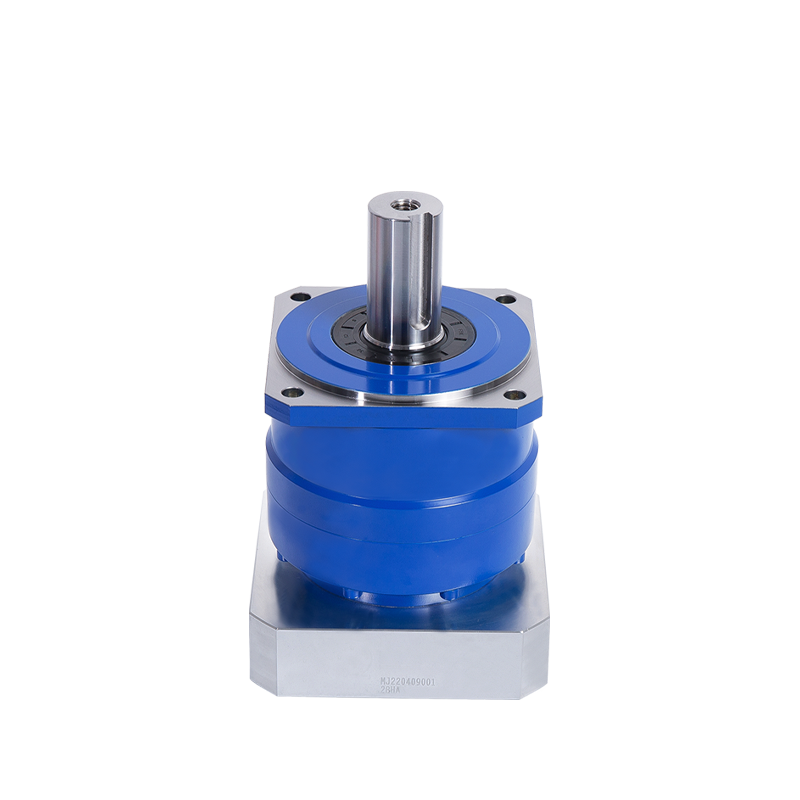
Industry-product lineupApplicable to: Door drive (planetary, coaxial shaft)MKB Precision Planetary Reducer is a cutting-edge mechanical device designe...
See Details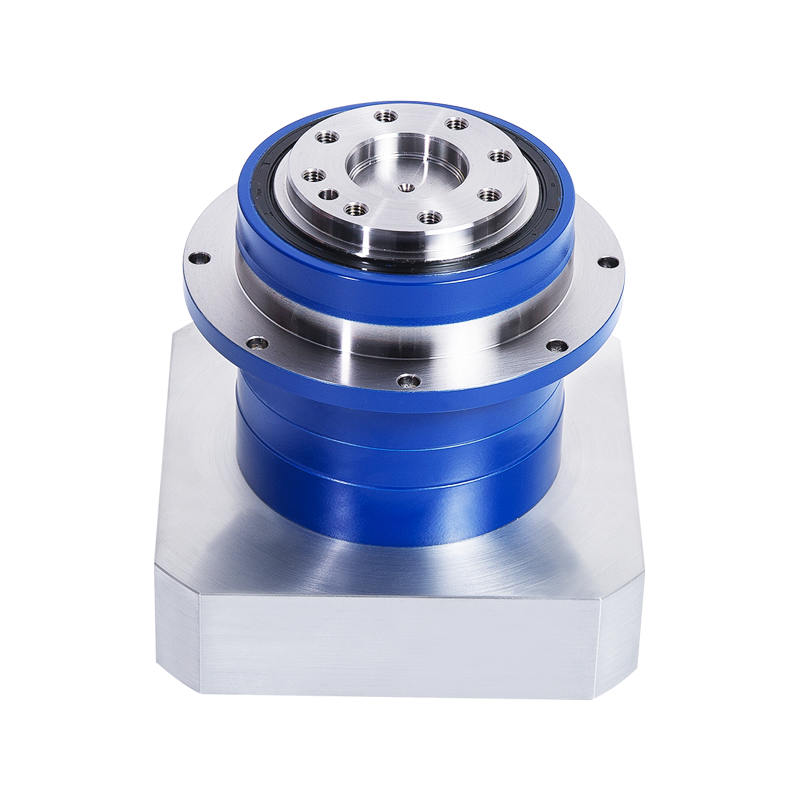
Meet the needs of customers with high precision requirements for semiconductor devices, automation equipment, machine tools, etc.Applicable to: Door d...
See Details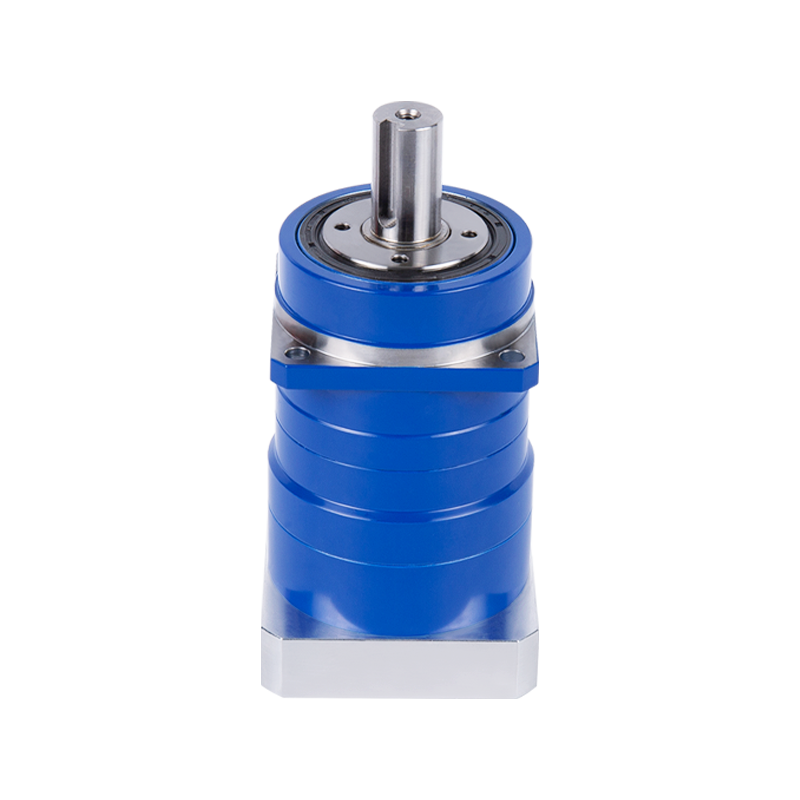
MKS Precision Planetary Reducer and servo motors represent a pinnacle in motion control technology. Their combined strengths — precision engineering, ...
See Details
Meet the needs of customers with high-precision requirements for semiconductor devices, machine tools, etc.MKG reducer meets the various needs of cust...
See Details
MKEL Planetary Reducer specifically engineered for the intricate demands of semiconductor fabrication processes integrates into manufacturing equipmen...
See Details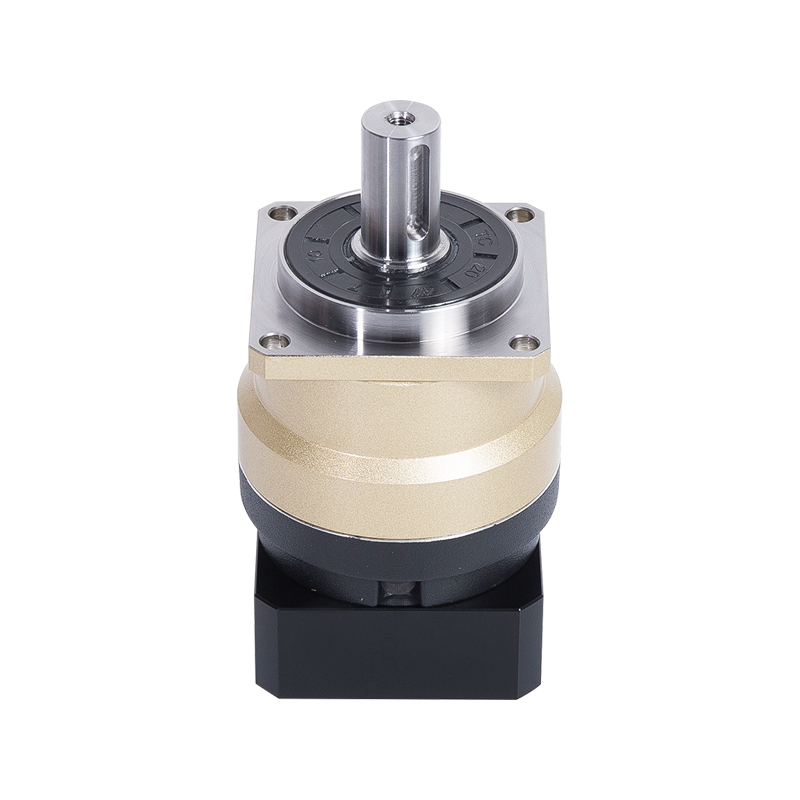
Helical gear design, high bite rate, smooth operation, low noise, low backlash. The sun gear output shaft bearing is designed directly in the arm to e...
See Details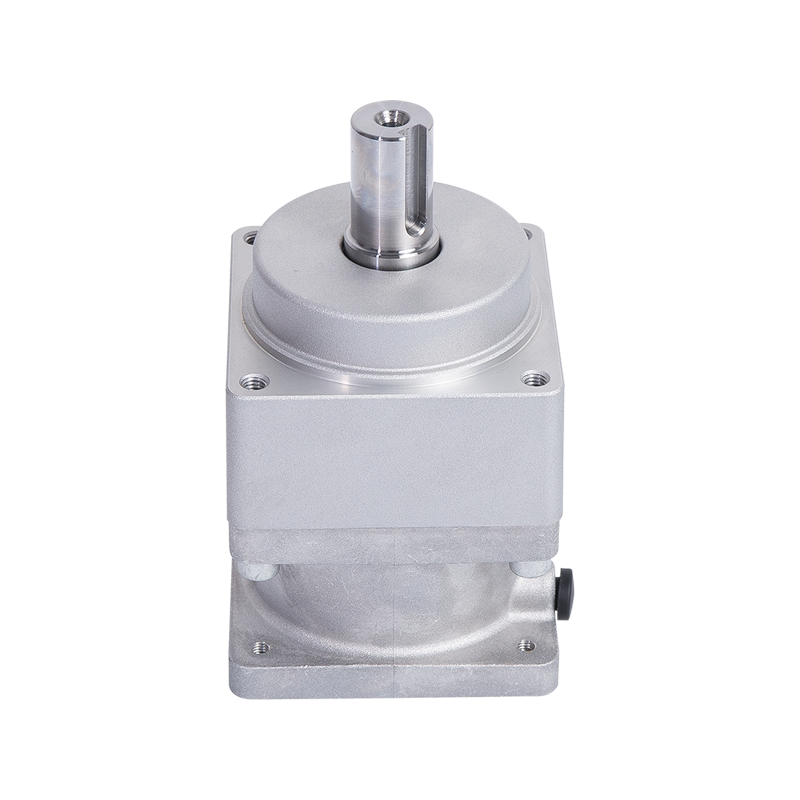
This MKGC-5C-400 high torque durable economical star reducer is designed for stable, cost-effective power transmission in general industrial and heavy...
See Details
MPEB helical gear design economical star reducer a departure from conventional spur gears. The helical gear design brings a host of advantages, includ...
See Details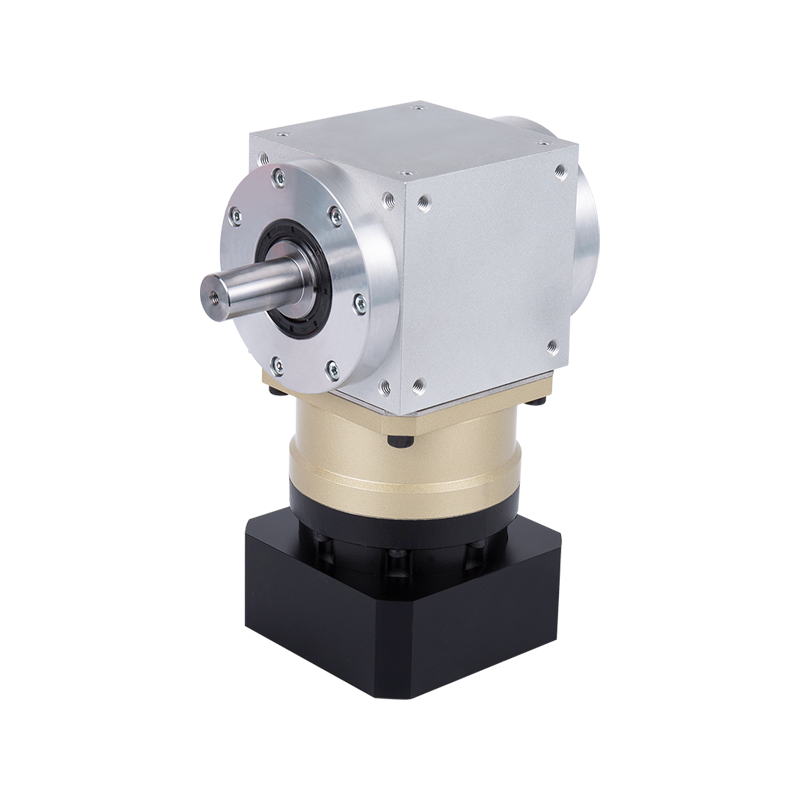
The planetary reducer adopts a planetary gear transmission structure, which has high transmission efficiency, and the single solid shaft design can re...
See Details
The worm bevel double output shaft type planetary reducer uses a combination of worm gear transmission and planetary gear transmission to improve the ...
See Details
MAKIKAWA-MOTION TECHNOLOGY (ZHEJIANG) CO., LTD. @ All rights reserved

Custom High Precision Planetary Gearbox Reducer Manufacturers