

 en
en русский
 Deutsch
 日本語
日本語 Español
 简体中文
简体中文Door Driving Precision Planetary Reducer
Cat:MK series planetary reducer
Industry-product lineupApplicable to: Door drive (planetary, coaxial shaft)MKB Precision Planetary Reducer is a cutting-edge mechanical device designe...
See DetailsContent
A planetary gear reducer is a type of gear transmission that uses a central sun gear, multiple planet gears, a ring gear (annulus), and a carrier to achieve compact, high-torque power reduction. Unlike parallel-shaft or worm reducers, the planetary configuration distributes load across several gear meshes simultaneously, which is why it delivers higher torque density within a smaller footprint.
The input shaft drives the sun gear, which rotates the planet gears orbiting around it. Because the ring gear is typically fixed, the planet carrier acts as the output, rotating at a reduced speed proportional to the gear ratio. A single planetary stage typically achieves ratios from 3:1 to 10:1, while multi-stage designs can reach 100:1 or beyond.
Planetary gear reducers consistently outperform helical, worm, and bevel reducers across several critical metrics:
The trade-off is higher manufacturing complexity and cost compared to simple worm or parallel reducers, which is why planetary units are favored where performance per kilogram or per cubic centimeter is a priority.
Not all planetary reducers are built the same. The three most common categories differ significantly in precision, load capacity, and application fit:
The most widely used configuration, where input and output shafts are coaxial. Available in single-stage and multi-stage variants, these are standard in servo motor systems, conveyors, and packaging machinery. They offer the best balance of cost, performance, and availability.
These integrate a bevel gear stage with planetary reduction to redirect output 90°. Common in material handling systems, gantry robots, and CNC axes where layout constraints require perpendicular output. Efficiency is slightly lower than inline types due to the bevel stage.
Designed specifically for servo and motion control, these units use hardened helical planet gears, precision-ground ring gears, and preloaded bearings. Backlash is guaranteed to 1–5 arcmin depending on grade. These are essential for collaborative robots, medical devices, semiconductor equipment, and any application where positional accuracy is non-negotiable.
| Type | Typical Backlash | Efficiency | Best For |
|---|---|---|---|
| Inline Standard | 5–15 arcmin | 95–98% | General automation, conveyors |
| Right-Angle | 5–10 arcmin | 90–95% | Constrained-layout applications |
| Precision Low-Backlash | <3 arcmin | 96–99% | Servo, robotics, medical |
Choosing the wrong reducer is one of the most common causes of premature gearbox failure in industrial systems. The selection process should follow a structured approach:
A critical but often overlooked step is inertia matching. In servo-driven axes, an excessively high load-to-motor inertia ratio degrades positioning accuracy and can cause instability. Selecting a gear ratio that brings this ratio below 5:1 significantly improves system bandwidth and settling time.
Planetary gear reducers appear across a wide range of industries precisely because their high torque density and coaxial configuration solve problems that other reducer types cannot:
A properly selected and installed planetary gear reducer should deliver a rated service life of 20,000 hours or more under continuous operation. However, several factors accelerate wear if not managed:
Lubrication is the single most important maintenance factor. Most sealed units are factory-filled with synthetic grease or oil for life, but in high-temperature or high-speed environments, periodic grease replacement every 5,000–10,000 hours is advisable. Using the wrong lubricant viscosity grade significantly reduces gear film thickness and bearing life.
Misalignment at the motor interface induces radial loads on the input bearing and sun gear that exceed design limits. Always verify coupling alignment within 0.05 mm TIR when mounting a reducer to a servo motor.
Monitoring output backlash over time is a reliable indicator of internal wear. An increase of more than 2–3 arcmin from baseline in a precision reducer typically signals that planet gear bushings or needle bearings require inspection. Catching this early prevents cascading damage to the ring gear and carrier.
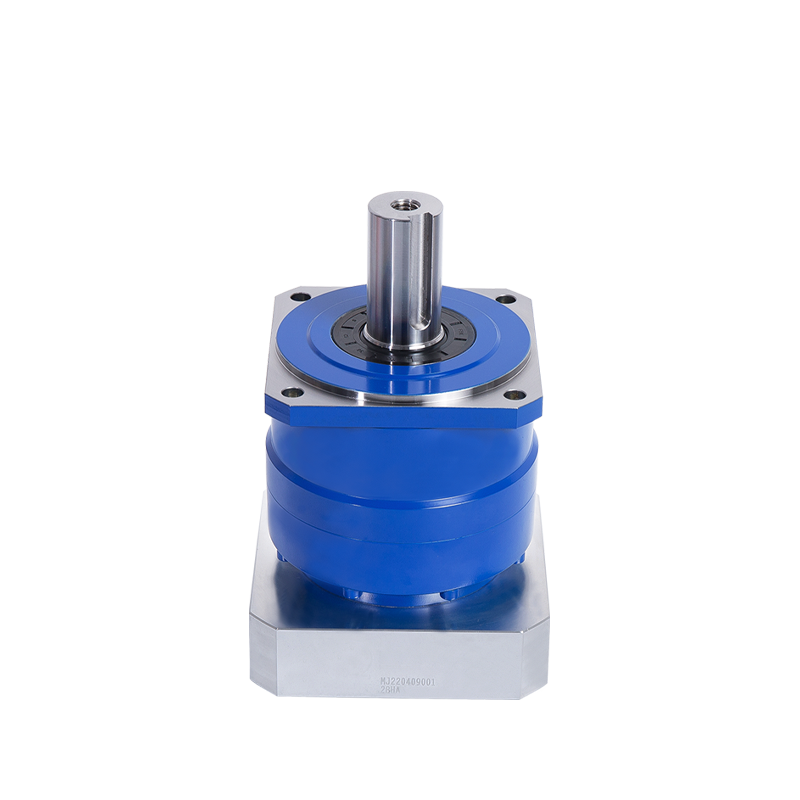
Industry-product lineupApplicable to: Door drive (planetary, coaxial shaft)MKB Precision Planetary Reducer is a cutting-edge mechanical device designe...
See Details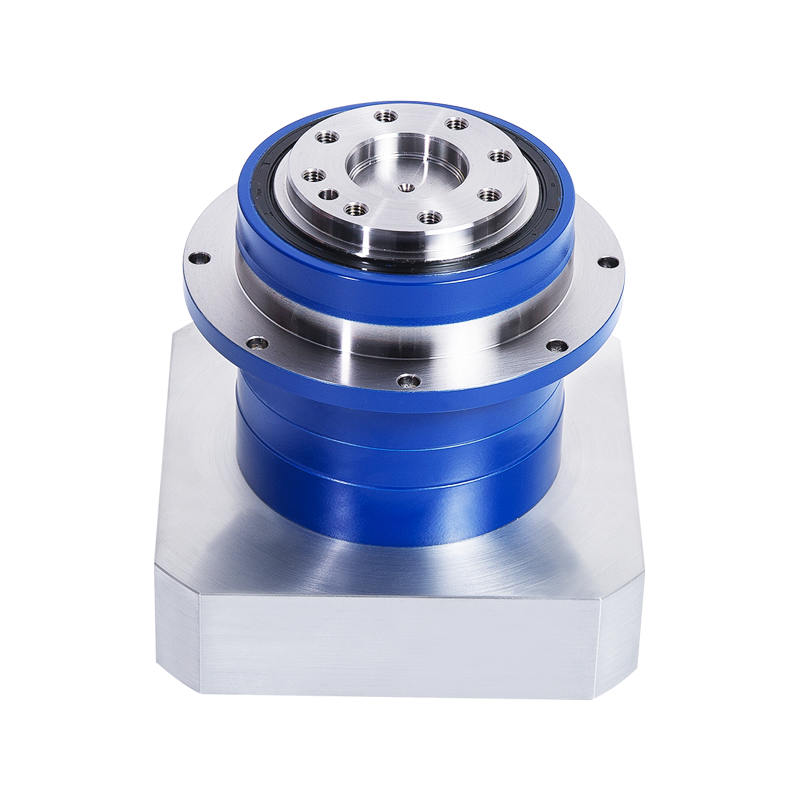
Meet the needs of customers with high precision requirements for semiconductor devices, automation equipment, machine tools, etc.Applicable to: Door d...
See Details
Industry- product lineupApplicable to: Door drive (planetary, coaxial shaft)MKL Precision Planetary Reducer lies in its multi-size segment selection c...
See Details
Meet the needs of customers with high-precision requirements for semiconductor devices, machine tools, etc.MKG reducer meets the various needs of cust...
See Details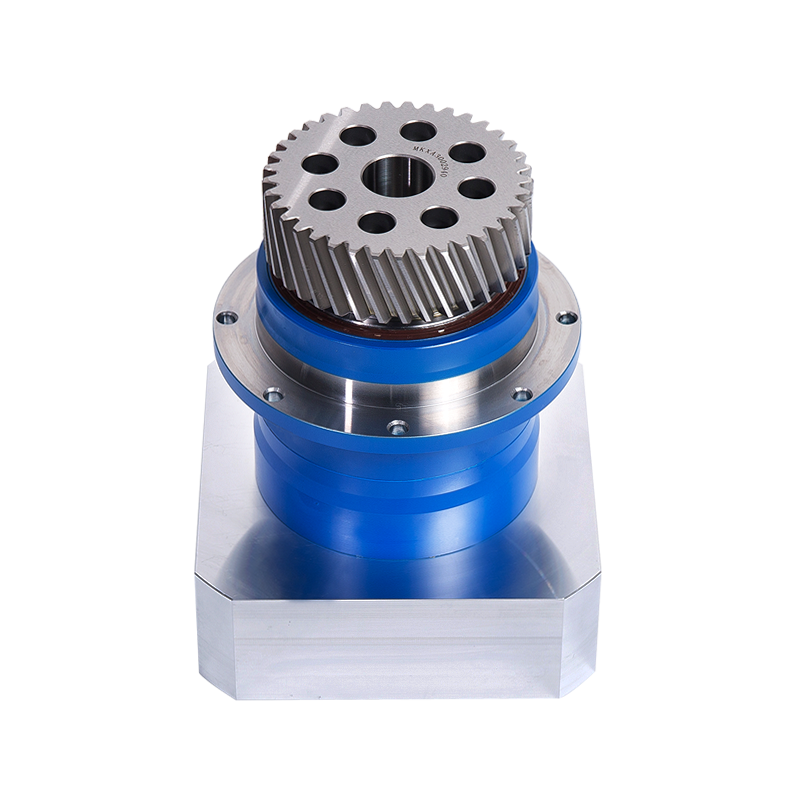
Laser-cutting equipment often operates in confined spaces, requiring motion control systems that can seamlessly integrate without compromising efficie...
See Details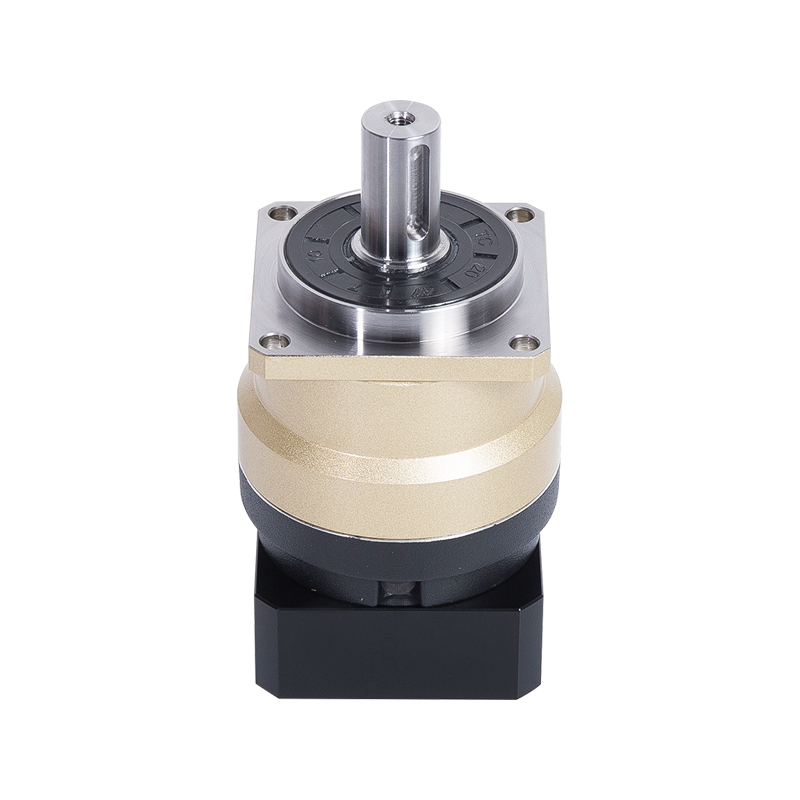
Helical gear design, high bite rate, smooth operation, low noise, low backlash. The sun gear output shaft bearing is designed directly in the arm to e...
See Details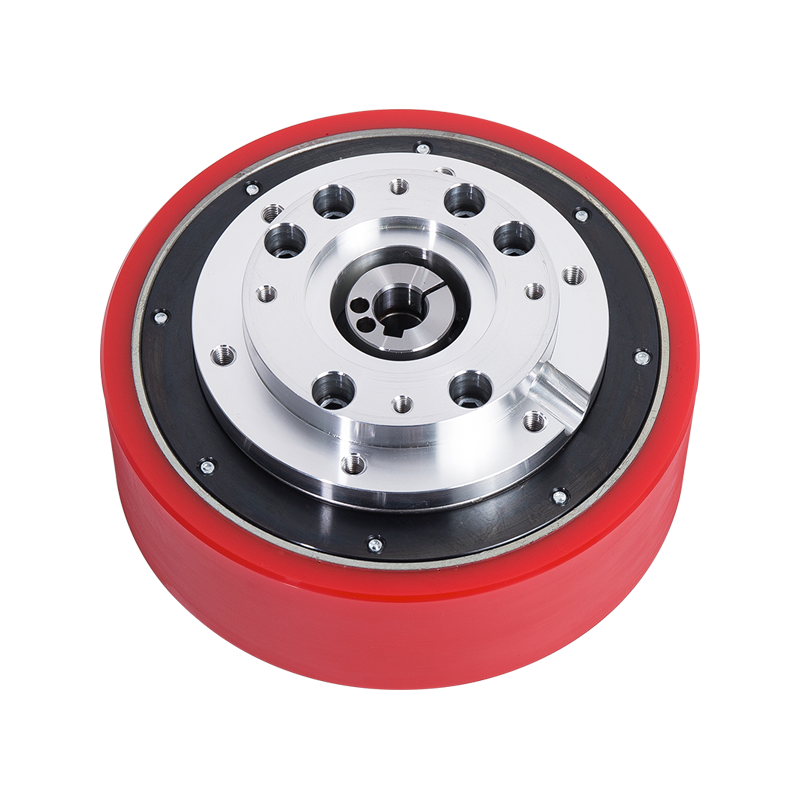
At the heart of the RCIV ring gear output AGV special planetary reducer is a sophisticated design that features a distinctive ring gear output configu...
See Details
High-performance output shaft type planetary reducer, with high rated speed and high dynamic application, adopts lightweight design and high-efficienc...
See Details
The worm bevel double output shaft type planetary reducer uses a combination of worm gear transmission and planetary gear transmission to improve the ...
See Details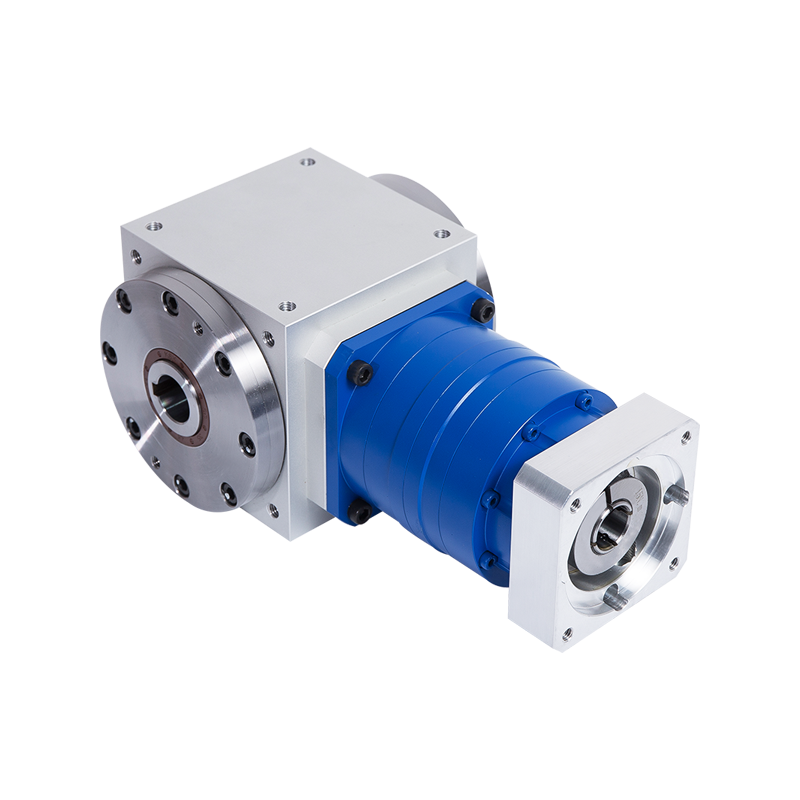
The hollow-type high-precision spiral bevel gear reducer is specially designed. The hollow design makes the center space of the reducer empty and can ...
See Details
MAKIKAWA-MOTION TECHNOLOGY (ZHEJIANG) CO., LTD. @ All rights reserved

Custom High Precision Planetary Gearbox Reducer Manufacturers