

 en
en русский
 Deutsch
 日本語
日本語 Español
 简体中文
简体中文Door Driving Precision Planetary Reducer
Cat:MK series planetary reducer
Industry-product lineupApplicable to: Door drive (planetary, coaxial shaft)MKB Precision Planetary Reducer is a cutting-edge mechanical device designe...
See DetailsContent
A planetary reducer (also called a planetary gearbox) is a mechanical transmission device that reduces motor speed while multiplying output torque. It uses a central sun gear, multiple planet gears, a ring gear, and a carrier to distribute load across several mesh points simultaneously, achieving high torque density in a compact form. This architecture makes planetary reducers the preferred choice in robotics, CNC machines, conveyors, wind turbines, and precision automation systems.
Compared to parallel-shaft or worm gear reducers, planetary units offer a superior power-to-weight ratio. For example, a typical inline planetary gearbox rated at 200 Nm of output torque may weigh as little as 2.5 kg — a worm gearbox of equivalent capacity can weigh 4–6 kg.
The operating principle centers on the interaction between four key components:
When the sun gear spins, it drives the planet gears to orbit around it. Because the ring gear is stationary, this orbital motion turns the carrier at a lower speed. The reduction ratio is determined by the formula: i = 1 + (Z_ring / Z_sun), where Z refers to the number of teeth. A sun gear with 20 teeth and a ring gear with 60 teeth yields a ratio of 1 + (60/20) = 4:1.
Because load is shared across multiple planet gears, stress per tooth is significantly lower than in a single-mesh system. This is why planetary gearboxes achieve efficiencies of 97–99% per stage under optimal conditions.
Not all planetary reducers are built the same. The main variants differ in construction, precision grade, and intended application:
The input and output shafts share the same axis. This is the most common configuration, widely used in servo motor applications and industrial automation. Ratios typically range from 3:1 to 100:1 in a single or two-stage design.
Incorporates a bevel or hypoid gear stage to redirect output 90°. Used when layout constraints prevent inline mounting — common in packaging machines and robotic arms.
Manufactured to tighter tolerances, achieving backlash as low as ≤1 arcmin. Essential in CNC machining centers, laser cutting systems, and semiconductor equipment where positioning repeatability is critical.
Uses two or three gear stages in series to achieve ratios from 100:1 up to 10,000:1. Suitable for low-speed, high-torque applications such as stirring equipment and solar panel tracking drives.
| Type | Typical Ratio Range | Backlash | Best For |
|---|---|---|---|
| Inline Standard | 3:1 – 100:1 | 3–8 arcmin | General automation |
| Right-Angle | 5:1 – 50:1 | 5–10 arcmin | Space-constrained layouts |
| Precision Low-Backlash | 3:1 – 100:1 | ≤1 arcmin | CNC, robotics, semiconductors |
| High-Ratio Multi-Stage | 100:1 – 10,000:1 | 8–20 arcmin | Low-speed, high-torque drives |
Before selecting a planetary reducer, you need to understand the specifications that directly affect system performance:
The ratio between input and output speed. A 10:1 ratio means a 3,000 RPM motor output becomes 300 RPM at the gearbox output, while output torque is multiplied (minus losses). Always match the ratio to your required output speed — do not rely on oversizing to compensate for a mismatched ratio.
Rated (continuous) torque is what the gearbox can sustain indefinitely. Peak torque — typically 2–3× the rated value — is the maximum allowable for short durations (e.g., during acceleration or emergency stops). Exceeding peak torque causes gear or bearing failure.
The lost motion when the drive direction reverses. Measured in arcminutes, it directly impacts positioning accuracy. A standard gearbox at 5 arcmin of backlash translates to roughly 0.073° of angular error — acceptable for conveyor drives, but problematic for a robotic joint requiring ±0.01° repeatability.
A single-stage planetary gearbox typically operates at 97–99% efficiency. Each additional stage reduces this by approximately 1–2%. A three-stage unit may therefore achieve 93–95% overall efficiency. This directly affects motor sizing and heat generation.
Expressed in Nm/arcmin, this measures how much the output shaft twists under load before backlash is taken up. Higher rigidity is critical for dynamic, reversing loads in servo-driven applications.
Selecting the wrong reducer is one of the most common and costly mistakes in machine design. Follow these steps in order:
A practical example: a servo motor rated at 3,000 RPM and 5 Nm drives a conveyor requiring 60 RPM and 80 Nm. The required ratio is 50:1. Required torque with a 1.5 service factor is 120 Nm. You would select a single- or two-stage inline planetary reducer with a 50:1 ratio and at least 120 Nm rated output torque, with standard backlash since conveyor positioning tolerance is loose.
Understanding where planetary reducers outperform — and where they don't — helps avoid over-specification:
| Criteria | Planetary | Worm Gear | Helical |
|---|---|---|---|
| Efficiency | 97–99% | 50–90% | 95–98% |
| Torque Density | Very High | Medium | High |
| Backlash | 1–8 arcmin | 10–30 arcmin | 3–10 arcmin |
| Self-Locking | No | Yes (high ratio) | No |
| Cost | Medium–High | Low | Medium |
| Axial Length | Compact | Compact (right-angle) | Longer |
Worm gearboxes remain a cost-effective solution where self-locking is needed (e.g., lifting stages that must hold position without a brake) and efficiency is secondary. For high-cycle servo applications, the energy losses of a worm gearbox add up quickly — a 70% efficient worm gearbox driving a 1 kW motor wastes 300 W continuously, while a planetary unit wastes only 20–30 W.
Planetary reducers are relatively low-maintenance but not maintenance-free. Key practices that extend service life include:
A well-maintained, properly sized planetary gearbox in a standard industrial environment should achieve a service life of 20,000–30,000 hours (L10 bearing life). Precision servo gearboxes from reputable manufacturers are often rated to 30,000 hours at nominal load.
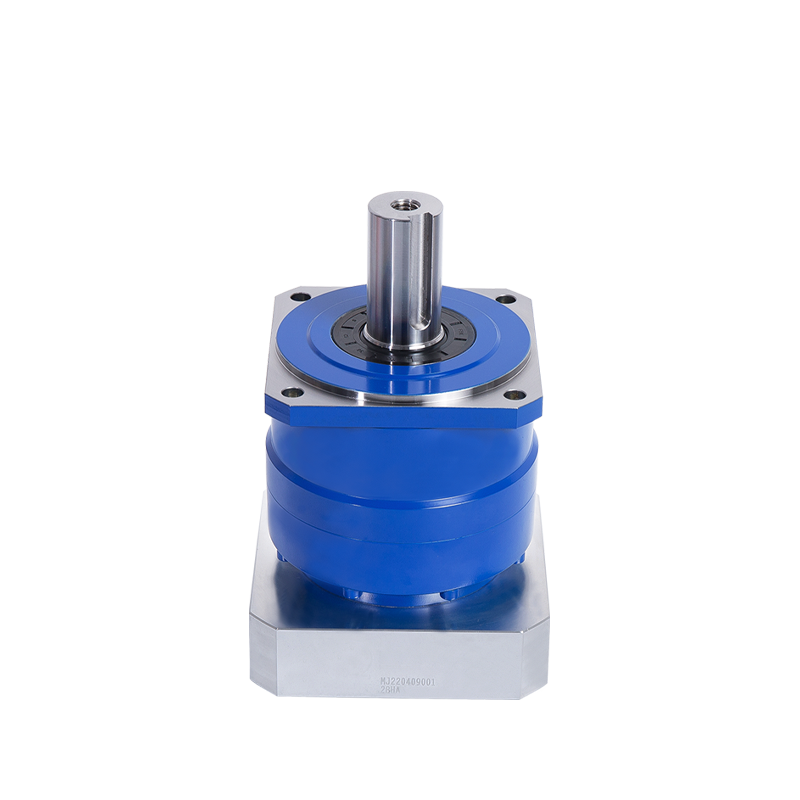
Industry-product lineupApplicable to: Door drive (planetary, coaxial shaft)MKB Precision Planetary Reducer is a cutting-edge mechanical device designe...
See Details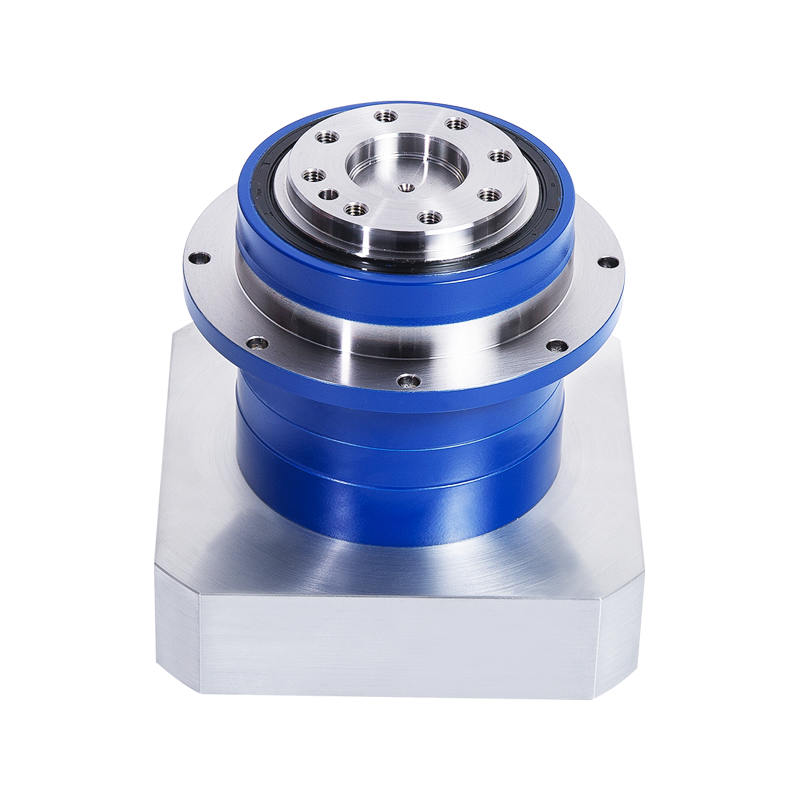
Meet the needs of customers with high precision requirements for semiconductor devices, automation equipment, machine tools, etc.Applicable to: Door d...
See Details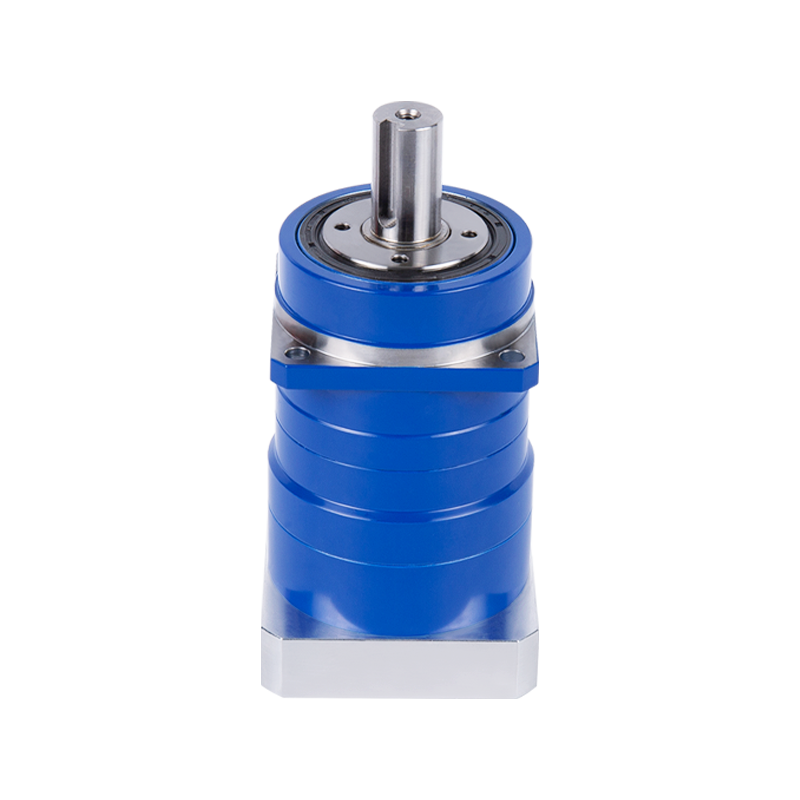
MKS Precision Planetary Reducer and servo motors represent a pinnacle in motion control technology. Their combined strengths — precision engineering, ...
See Details
Ball bearings, orthogonal axis, more flexible installationMKEB Planetary Reducer stands as a testament to advancements in planetary gear technology, f...
See Details
Suitable for customers with high output and compact requirementsApplicable to: Crossed roller bearings, for door drive (planetary, orthogonal shaft/ho...
See Details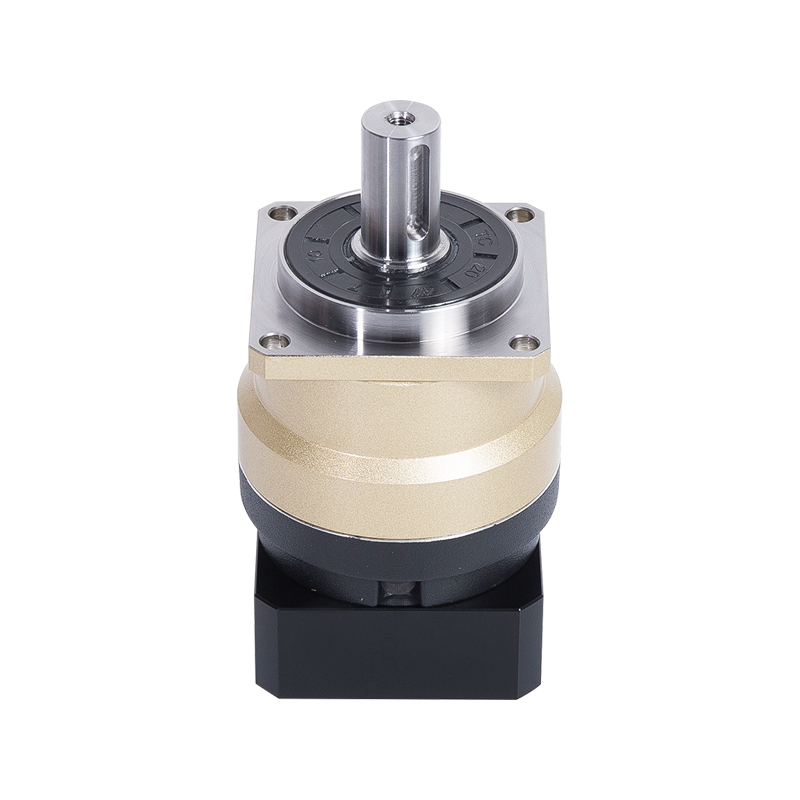
Helical gear design, high bite rate, smooth operation, low noise, low backlash. The sun gear output shaft bearing is designed directly in the arm to e...
See Details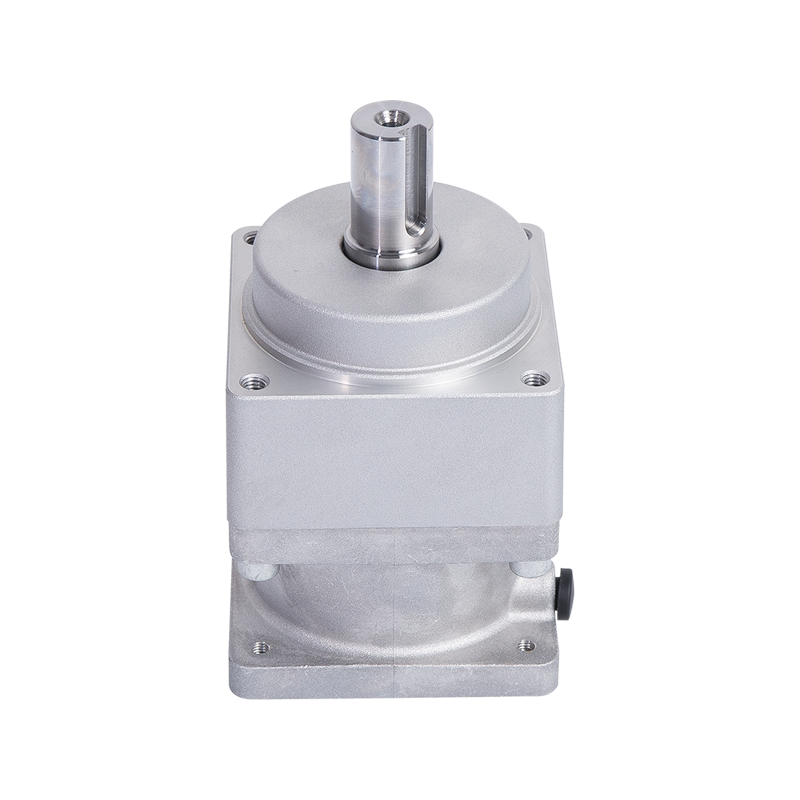
This MKGC-5C-400 high torque durable economical star reducer is designed for stable, cost-effective power transmission in general industrial and heavy...
See Details
High-performance output shaft type planetary reducer, with high rated speed and high dynamic application, adopts lightweight design and high-efficienc...
See Details
The worm bevel double output shaft type planetary reducer uses a combination of worm gear transmission and planetary gear transmission to improve the ...
See Details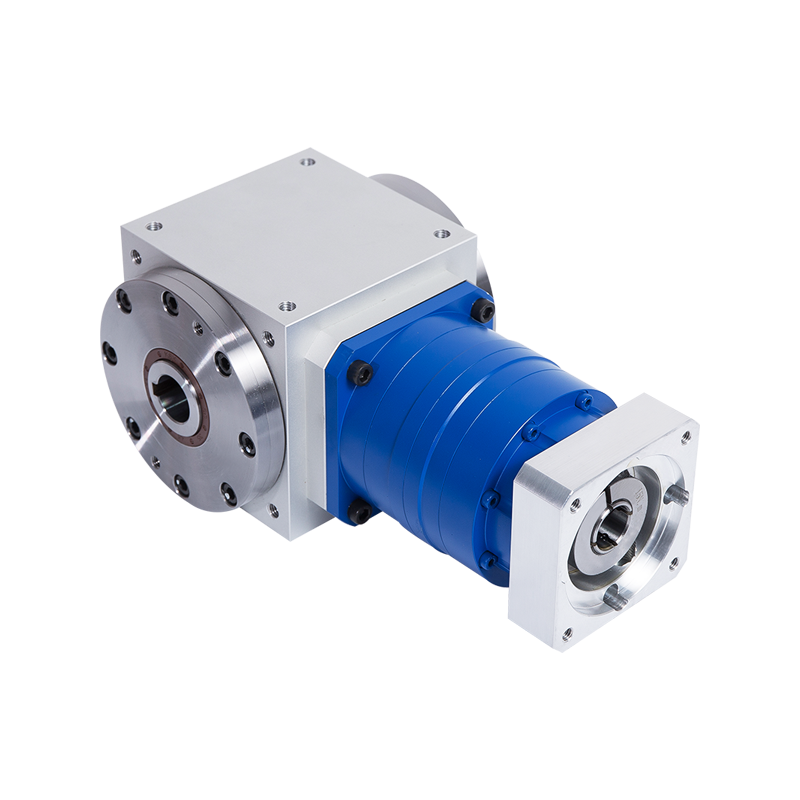
The hollow-type high-precision spiral bevel gear reducer is specially designed. The hollow design makes the center space of the reducer empty and can ...
See Details
MAKIKAWA-MOTION TECHNOLOGY (ZHEJIANG) CO., LTD. @ All rights reserved

Custom High Precision Planetary Gearbox Reducer Manufacturers