

 en
en русский
 Deutsch
 日本語
日本語 Español
 简体中文
简体中文Door Driving Precision Planetary Reducer
Cat:MK series planetary reducer
Industry-product lineupApplicable to: Door drive (planetary, coaxial shaft)MKB Precision Planetary Reducer is a cutting-edge mechanical device designe...
See DetailsContent
A gear reducer is a mechanical transmission device that reduces the rotational speed of an input power source while simultaneously increasing its output torque. By utilizing gear ratios between meshing gears of different sizes, gear reducers transform high-speed, low-torque power into low-speed, high-torque power. This fundamental principle makes gear reducers essential components in countless industrial applications, from conveyor systems to robotic arms, where controlled speed and increased force are required.
The basic operating principle involves an input shaft connected to smaller gears that drive larger gears on the output shaft. For example, if a motor running at 1,800 RPM is connected to a gear reducer with a 10:1 ratio, the output shaft will rotate at 180 RPM while delivering approximately 10 times the torque of the motor (accounting for efficiency losses of 2-5%).
Every gear reducer consists of several critical components that work together to achieve speed reduction and torque multiplication:
The reduction ratio is determined by dividing the number of teeth on the driven gear by the number of teeth on the driving gear. In multi-stage reducers, individual ratios are multiplied together. For instance, a two-stage reducer with a first stage ratio of 4:1 and a second stage ratio of 5:1 produces an overall reduction of 20:1. This means an input speed of 1,500 RPM would result in an output speed of 75 RPM.
Helical gear reducers feature teeth cut at an angle to the gear axis, creating a gradual engagement that results in smoother operation and reduced noise compared to spur gears. These units typically achieve efficiency ratings of 94-98% and can handle high loads. Manufacturing facilities commonly use helical reducers in conveyor systems where continuous operation demands reliability and quiet performance.
Worm gear reducers consist of a worm (screw-like gear) driving a worm wheel, offering high reduction ratios in a single stage, often ranging from 10:1 to 100:1. The perpendicular shaft arrangement makes them ideal for applications requiring compact designs with significant speed reduction. However, their efficiency typically ranges from 50-90% depending on the ratio, with higher ratios producing more heat and requiring better cooling.
Planetary (epicyclic) gear reducers distribute load across multiple planet gears rotating around a central sun gear, all contained within a ring gear. This configuration provides exceptional power density, with some models delivering torque capacities exceeding 100,000 Nm while maintaining compact dimensions. Robotics and precision machinery favor planetary reducers for their low backlash (less than 3 arcminutes) and high efficiency of 95-98%.
Bevel gear reducers change the direction of shaft rotation, typically at 90-degree angles, making them essential for applications where space constraints or design requirements dictate perpendicular power transmission. Mining equipment and agricultural machinery frequently incorporate bevel reducers for right-angle drive applications.
| Type | Efficiency Range | Typical Ratio Range | Noise Level | Cost |
|---|---|---|---|---|
| Helical | 94-98% | 3:1 to 10:1 | Low | Medium |
| Worm | 50-90% | 10:1 to 100:1 | Medium | Low |
| Planetary | 95-98% | 3:1 to 100:1 | Very Low | High |
| Bevel | 93-97% | 2:1 to 8:1 | Medium | Medium-High |
Gear reducers serve critical functions across diverse industries where precise speed control and torque multiplication are essential for operational success.
Conveyor systems in warehouses and production lines rely on gear reducers to move materials at controlled speeds. A typical packaging line might use a 20:1 reducer to slow a 1,750 RPM motor down to 87.5 RPM, providing the precise belt speed needed for accurate product placement while generating sufficient torque to handle loads exceeding 500 kg.
Wind turbines incorporate large planetary gear reducers that convert the slow rotation of turbine blades (typically 10-20 RPM) into the higher speeds required by generators (1,200-1,800 RPM). Modern offshore wind turbines use reducers capable of handling torques exceeding 5,000,000 Nm while maintaining reliability over 20+ year lifespans.
Electric vehicles employ single-speed gear reducers to optimize motor performance across varying driving conditions. Tesla's Model 3, for example, uses a 9:1 reduction ratio to balance acceleration performance with highway efficiency, enabling the motor to operate within its optimal efficiency range of 5,000-15,000 RPM while providing wheel speeds appropriate for 0-140 mph.
Mixers, agitators, and filling machines in food production require sanitary-design gear reducers with stainless steel construction and food-grade lubricants. Planetary reducers with IP66 or IP69K ratings withstand frequent washdowns while maintaining precise speed control for consistent product quality.
Calculate the required output torque by considering the load characteristics, including starting torque, running torque, and peak torque during operation. A safety factor of 1.5 to 2.0 is typically applied to account for shock loads and unexpected conditions. For instance, a crusher requiring 10,000 Nm continuous torque should use a reducer rated for at least 15,000-20,000 Nm.
Match the reducer ratio to your application needs by dividing input speed by desired output speed. Applications requiring multiple output speeds may benefit from variable frequency drives (VFDs) combined with fixed-ratio reducers rather than complex multi-ratio gearboxes.
Gear reducers come in various mounting styles including foot-mounted, flange-mounted, and shaft-mounted configurations. The choice depends on available space, alignment requirements, and maintenance accessibility. Shaft-mounted reducers eliminate coupling alignment issues but require secure shaft attachment and torque arm installation.
Operating environment significantly impacts reducer selection. Outdoor installations require weatherproof housings and corrosion-resistant materials. High-temperature applications (above 80°C) need synthetic lubricants and enhanced cooling provisions. Explosive atmospheres demand ATEX or IECEx certified units with special sealing and grounding provisions.
Proper lubrication extends gear reducer life significantly. Mineral oil-based lubricants suit most applications, while synthetic oils provide superior performance in extreme temperatures. Standard maintenance intervals call for oil changes every 2,500-5,000 operating hours, though many modern reducers feature lifetime lubrication for maintenance-free operation up to 20,000 hours.
Regular vibration analysis, oil sampling, and temperature monitoring detect developing problems before catastrophic failure. Vibration levels exceeding 10 mm/s RMS or oil contamination with metal particles larger than 50 microns indicate accelerated wear requiring immediate attention. Thermal imaging revealing temperatures above 90°C suggests inadequate lubrication or overloading.
Well-maintained gear reducers operating within rated parameters commonly achieve service lives of 100,000+ hours. Factors affecting longevity include load cycling, operating temperature, contamination control, and maintenance quality. A reducer running continuously at 80% rated load with proper maintenance may last 15-20 years, while one subjected to frequent shock loads and poor maintenance might require replacement within 3-5 years.
Gear reducer efficiency directly impacts operating costs, particularly in continuous-duty applications. A manufacturing plant running a 50 kW motor with a 90% efficient reducer loses 5 kW to heat generation. Over 8,000 annual operating hours at $0.10/kWh, this represents $4,000 in wasted energy costs. Upgrading to a 96% efficient planetary reducer would reduce losses to 2 kW, saving $2,400 annually—often justifying the higher initial investment within 2-3 years.
Heat dissipation becomes critical in high-power applications. Reducers generating more than 2 kW of waste heat may require forced cooling via external fans or heat exchangers to maintain safe operating temperatures and preserve lubricant integrity.
Modern gear reducer technology increasingly incorporates smart monitoring systems with embedded sensors tracking vibration, temperature, and oil condition in real-time. Industry 4.0 integration enables predictive maintenance algorithms that forecast component failures weeks in advance, reducing unplanned downtime by up to 50%.
Advanced materials including case-hardened alloy steels and ceramic coatings extend service life while reducing weight. Some aerospace applications now use titanium alloy gears achieving 40% weight reduction compared to traditional steel construction while maintaining equivalent strength.
Additive manufacturing enables complex gear geometries previously impossible with conventional machining, potentially improving efficiency by 2-3 percentage points through optimized tooth profiles and integrated cooling channels.
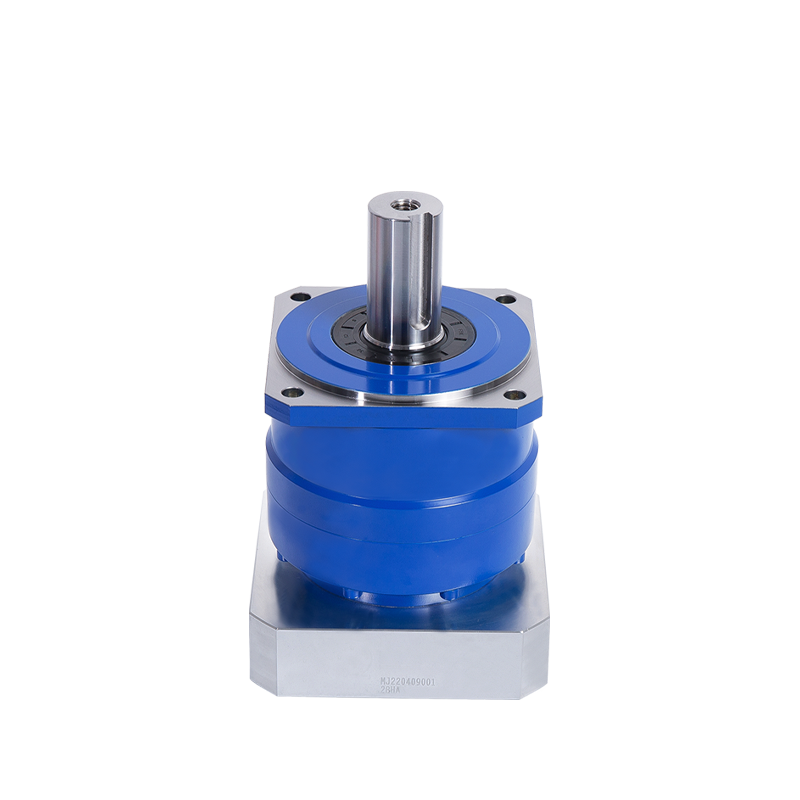
Industry-product lineupApplicable to: Door drive (planetary, coaxial shaft)MKB Precision Planetary Reducer is a cutting-edge mechanical device designe...
See Details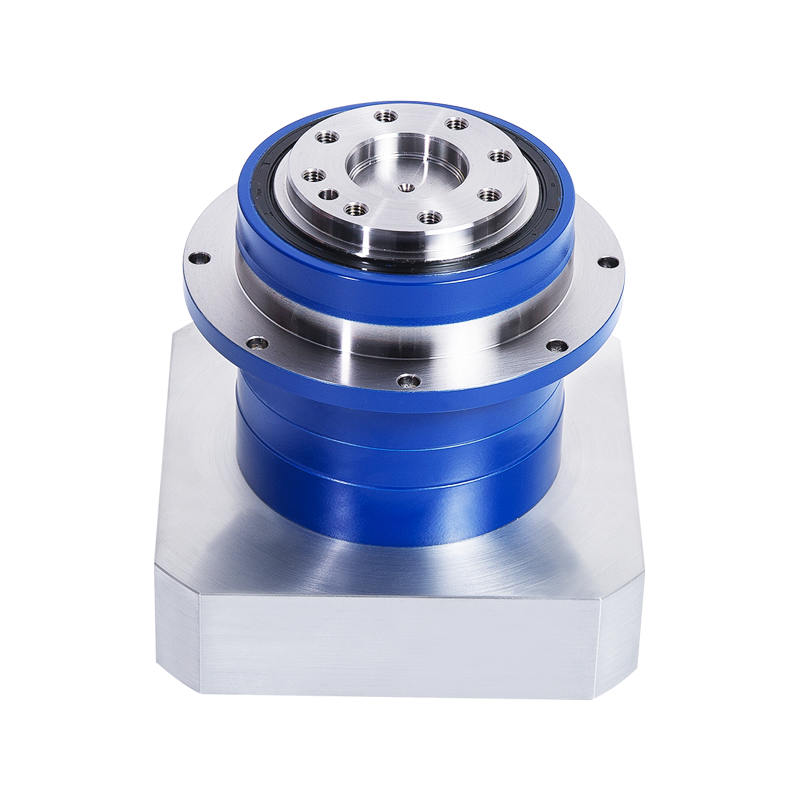
Meet the needs of customers with high precision requirements for semiconductor devices, automation equipment, machine tools, etc.Applicable to: Door d...
See Details
Meet the needs of customers with high-precision requirements for semiconductor devices, machine tools, etc.MKG reducer meets the various needs of cust...
See Details
Suitable for customers with high output and compact requirementsApplicable to: Crossed roller bearings, for door drive (planetary, orthogonal shaft/ho...
See Details
Suitable for customers with rich needs such as semiconductor manufacturing equipment and machine toolsApplicable to: Tapered roller bearings for door ...
See Details
MKEL Planetary Reducer specifically engineered for the intricate demands of semiconductor fabrication processes integrates into manufacturing equipmen...
See Details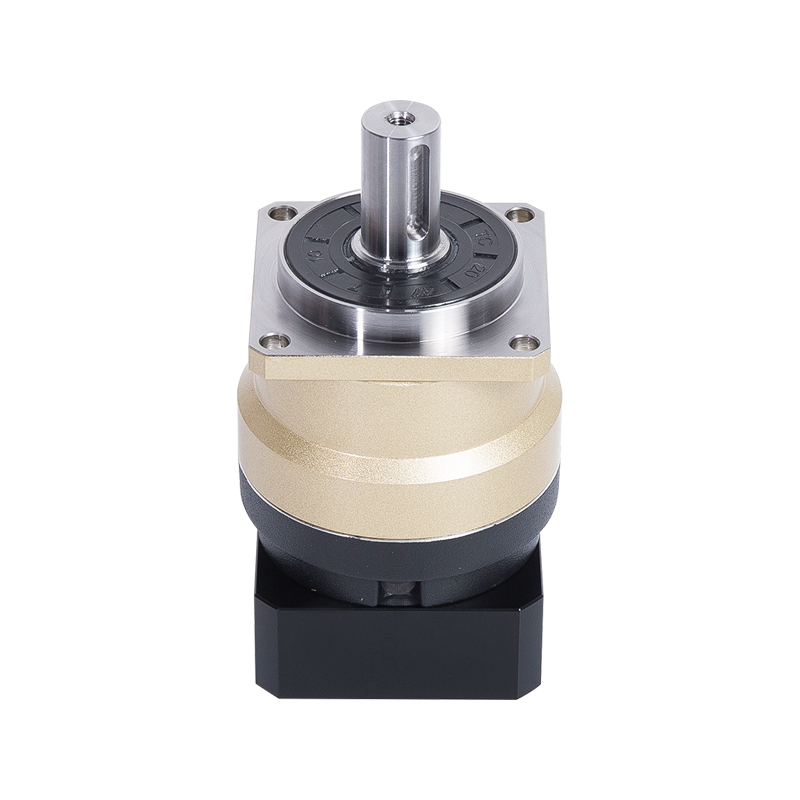
Helical gear design, high bite rate, smooth operation, low noise, low backlash. The sun gear output shaft bearing is designed directly in the arm to e...
See Details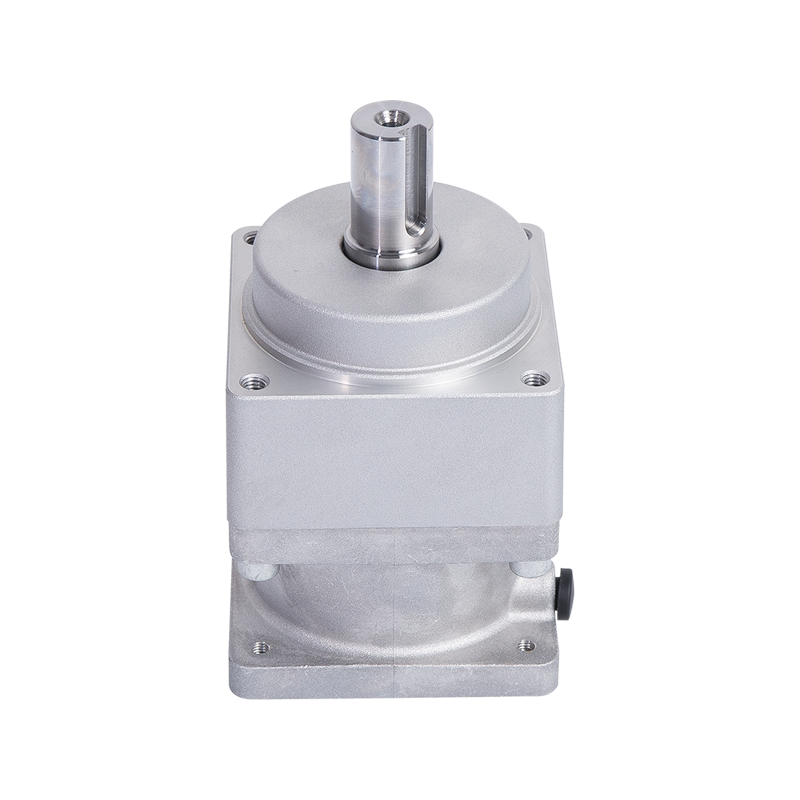
This MKGC-5C-400 high torque durable economical star reducer is designed for stable, cost-effective power transmission in general industrial and heavy...
See Details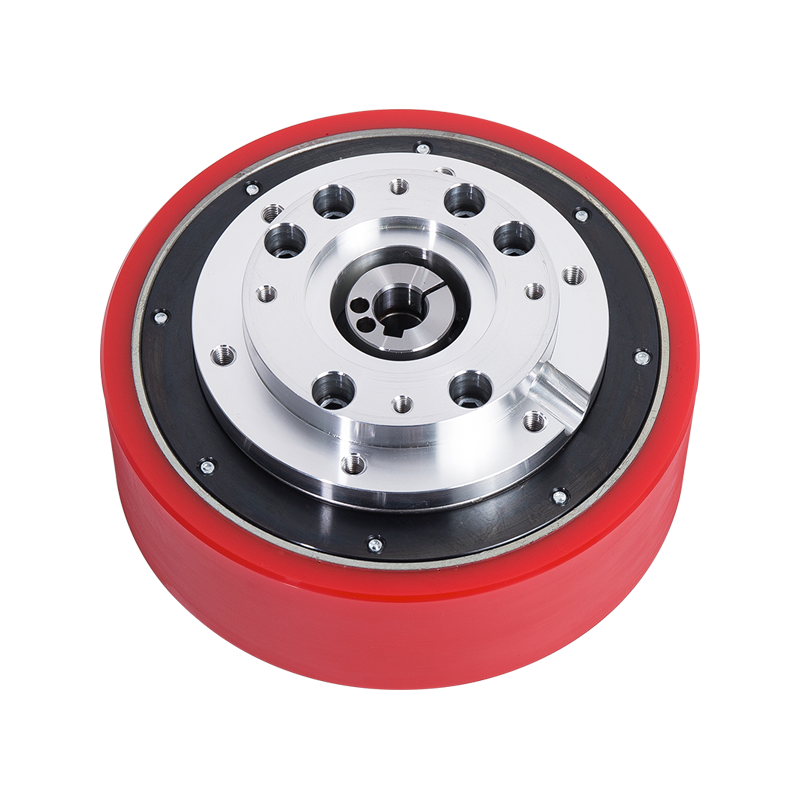
At the heart of the RCIV ring gear output AGV special planetary reducer is a sophisticated design that features a distinctive ring gear output configu...
See Details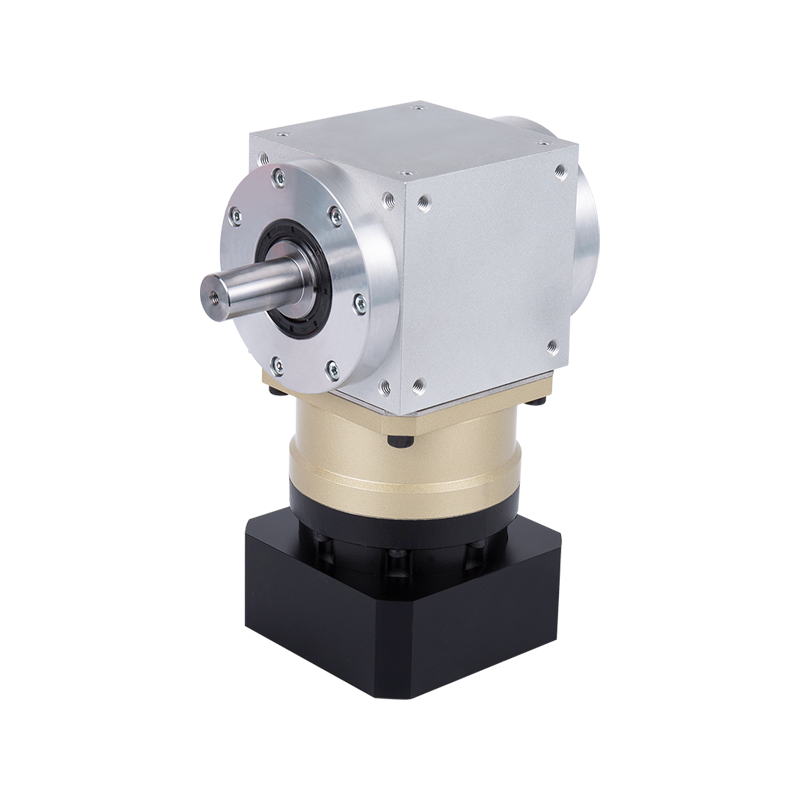
The planetary reducer adopts a planetary gear transmission structure, which has high transmission efficiency, and the single solid shaft design can re...
See Details
MAKIKAWA-MOTION TECHNOLOGY (ZHEJIANG) CO., LTD. @ All rights reserved

Custom High Precision Planetary Gearbox Reducer Manufacturers