

 en
en русский
 Deutsch
 日本語
日本語 Español
 简体中文
简体中文Door Driving Precision Planetary Reducer
Cat:MK series planetary reducer
Industry-product lineupApplicable to: Door drive (planetary, coaxial shaft)MKB Precision Planetary Reducer is a cutting-edge mechanical device designe...
See DetailsContent
A single reduction gearbox is a mechanical power transmission device that reduces rotational speed and increases torque through one stage of gear meshing. Unlike multi-stage gearboxes that employ multiple gear pairs, this design uses only one set of gears—typically a pinion and a wheel—to achieve the desired speed reduction ratio. This streamlined configuration makes it ideal for applications requiring gear ratios between 3:1 and 10:1, offering a balance between simplicity, cost-effectiveness, and operational efficiency.
The fundamental principle involves transferring rotational motion from an input shaft with a smaller gear (pinion) to an output shaft with a larger gear (wheel). The size difference between these gears determines the reduction ratio, calculated by dividing the number of teeth on the driven gear by the number of teeth on the driving gear. For example, a 60-tooth wheel driven by a 15-tooth pinion produces a 4:1 reduction ratio, meaning the output shaft rotates at one-quarter the speed of the input while delivering four times the torque.
The construction of a single reduction gearbox incorporates several critical components working in synchronized harmony:
Single reduction gearboxes can be configured with different gear types depending on application requirements:
| Gear Type | Efficiency Range | Typical Applications | Key Advantage |
|---|---|---|---|
| Spur Gears | 95-98% | Conveyors, mixers | Simple design, low cost |
| Helical Gears | 96-99% | Machine tools, pumps | Quieter operation, higher load capacity |
| Bevel Gears | 93-97% | Right-angle drives | Changes power direction |
| Worm Gears | 50-90% | Elevators, winches | Self-locking capability |
Single reduction gearboxes serve critical roles in manufacturing environments where moderate speed reduction is required. Belt conveyors in warehousing operations commonly employ 5:1 ratio gearboxes to reduce electric motor speeds from 1,750 RPM to approximately 350 RPM at the drive pulley. This configuration provides sufficient torque for moving loads up to 2,000 pounds while maintaining energy efficiency above 95%.
Packaging machinery utilizes these gearboxes to power filling stations, labeling equipment, and sealing mechanisms. A pharmaceutical packaging line might integrate a 7.5:1 helical gearbox to drive a rotary filler at precise speeds between 50-100 RPM, ensuring accurate product dispensing without complex control systems.
Farm equipment manufacturers incorporate single reduction gearboxes in grain augers, feed mixers, and irrigation systems. A typical grain auger gearbox with a 4:1 reduction converts a 540 RPM power take-off (PTO) input to approximately 135 RPM output, providing the torque necessary to move grain vertically while preventing mechanical damage to kernels.
Construction mixers for concrete and mortar benefit from the robust simplicity of single reduction designs. A portable concrete mixer might use a 6:1 spur gearbox driving a drum at 25-30 RPM, generating sufficient mixing action while powered by a compact gasoline engine.
Marine propulsion systems for smaller vessels employ single reduction gearboxes to match engine speeds to optimal propeller RPM. A fishing boat might utilize a 2.5:1 marine gearbox reducing a diesel engine's 2,400 RPM to 960 RPM at the propeller shaft, maximizing fuel efficiency and thrust generation.
Small-scale wind turbines incorporate these gearboxes to increase rotor speed before power generation. While large utility turbines use complex multi-stage systems, turbines under 50 kW capacity often employ single reduction units with ratios around 8:1, converting blade rotation of 60-100 RPM to generator speeds of 480-800 RPM.
The single reduction design delivers several measurable advantages over multi-stage alternatives:
Despite these benefits, single reduction gearboxes face inherent limitations that restrict their application range:
Limited reduction ratios: Practical gear ratios are constrained to approximately 10:1 maximum. Beyond this point, the size difference between pinion and wheel becomes mechanically impractical, with the pinion becoming too small for adequate strength or the wheel becoming excessively large. Applications requiring 20:1, 50:1, or higher reductions must use multi-stage designs.
Physical size at high ratios: Achieving a 9:1 or 10:1 reduction in a single stage results in a large wheel diameter that increases overall gearbox dimensions. A unit producing 1,000 lb-ft of output torque at 10:1 reduction might have a wheel diameter exceeding 24 inches, compared to a compact double reduction unit achieving the same performance in a smaller envelope.
Torque capacity constraints: The single mesh point must handle all transmitted power, limiting maximum torque capacity. For applications exceeding 10,000 lb-ft output torque, parallel shaft or planetary multi-stage designs often prove more suitable.
Proper gearbox selection requires evaluating multiple technical factors to ensure optimal performance and longevity:
Consider a conveyor application requiring the following specifications:
The required reduction ratio is 1,750 ÷ 350 = 5:1. With a moderate shock load and extended duty cycle, apply a service factor of 1.5, yielding an equivalent power rating of 15 HP. Select a gearbox rated for at least 15 HP at 5:1 reduction, preferably with helical gears for quieter operation and higher load capacity. Output torque will be approximately 150 lb-ft (10 HP × 5,252 ÷ 350 RPM), well within the capacity of standard industrial single reduction units.
Single reduction gearboxes demand relatively minimal maintenance when operated within design parameters. A comprehensive maintenance program includes:
Properly maintained single reduction gearboxes typically achieve 15-25 years of service life or 50,000-100,000 operating hours before major overhaul. Actual longevity depends on several factors including load intensity, operating temperature, lubrication quality, and environmental conditions. Units operating at 70% of rated capacity in clean, temperature-controlled environments regularly exceed 30-year lifespans, while those subjected to continuous shock loads or contaminated atmospheres may require rebuild after 10-12 years.
Bearing replacement represents the most common major maintenance event, typically required after 30,000-50,000 hours depending on bearing type and loading. Gear replacement is less frequent, generally needed only after 60,000+ hours or following lubrication failure. The simplicity of single reduction designs facilitates straightforward rebuilding, with downtime typically limited to 8-16 hours for bearing replacement or 24-40 hours for complete gear set renewal.
The total cost of ownership for single reduction gearboxes extends beyond initial purchase price to encompass installation, energy consumption, and lifecycle maintenance expenses. A 10 HP helical gearbox at 5:1 reduction typically costs $800-1,500 depending on manufacturer and features, representing a 30-40% savings compared to equivalent double reduction units priced at $1,200-2,400.
Energy efficiency advantages translate directly to operating cost savings. Over a 20-year service life operating 4,000 hours annually, the 2-3% efficiency advantage of single reduction over double reduction designs saves approximately 800-1,200 kWh for a 10 HP application. At industrial electricity rates of $0.10/kWh, this represents $80-120 in energy cost savings, though this benefit diminishes for smaller power ratings or reduced duty cycles.
Maintenance costs favor single reduction designs due to fewer components and simpler construction. Annual maintenance expenses typically range from 1-3% of initial purchase price, covering lubricant replacement, periodic inspections, and minor seal replacements. Over a 20-year lifespan, this totals approximately $200-900 for a $1,000 gearbox, compared to $400-1,500 for more complex multi-stage units requiring additional attention to intermediate shafts and bearing assemblies.
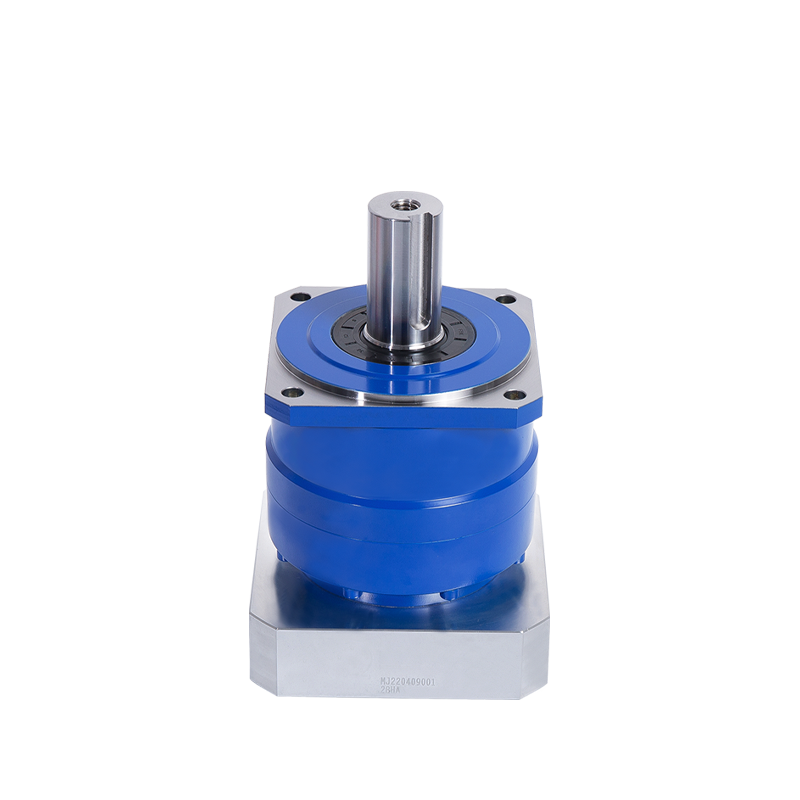
Industry-product lineupApplicable to: Door drive (planetary, coaxial shaft)MKB Precision Planetary Reducer is a cutting-edge mechanical device designe...
See Details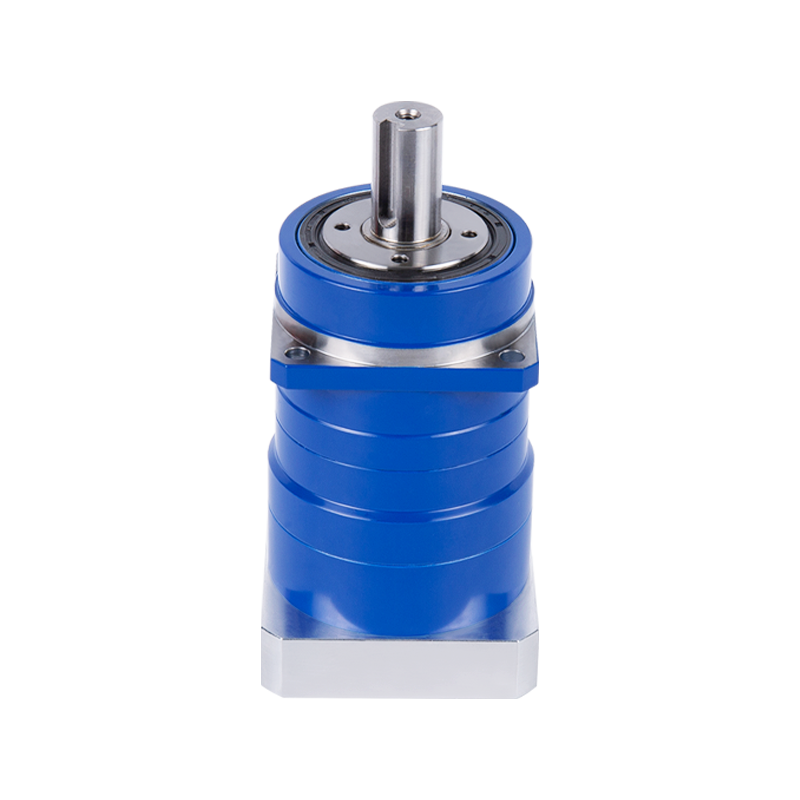
MKS Precision Planetary Reducer and servo motors represent a pinnacle in motion control technology. Their combined strengths — precision engineering, ...
See Details
Ball bearings, orthogonal axis, more flexible installationMKEB Planetary Reducer stands as a testament to advancements in planetary gear technology, f...
See Details
Suitable for customers with high output and compact requirementsApplicable to: Crossed roller bearings, for door drive (planetary, orthogonal shaft/ho...
See Details
Suitable for customers with rich needs such as semiconductor manufacturing equipment and machine toolsApplicable to: Tapered roller bearings for door ...
See Details
MKEL Planetary Reducer specifically engineered for the intricate demands of semiconductor fabrication processes integrates into manufacturing equipmen...
See Details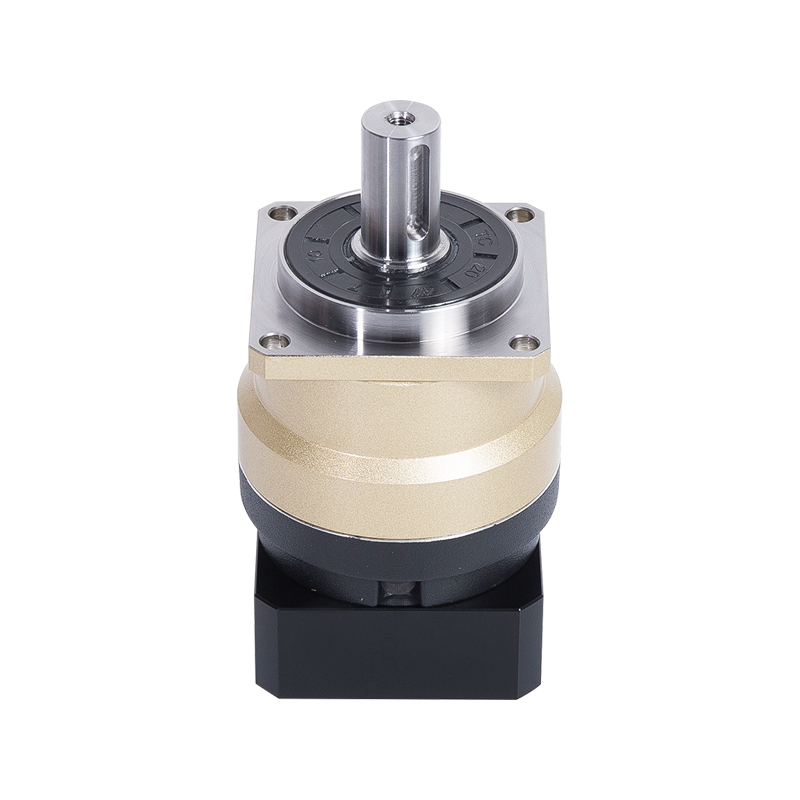
Helical gear design, high bite rate, smooth operation, low noise, low backlash. The sun gear output shaft bearing is designed directly in the arm to e...
See Details
MPEB helical gear design economical star reducer a departure from conventional spur gears. The helical gear design brings a host of advantages, includ...
See Details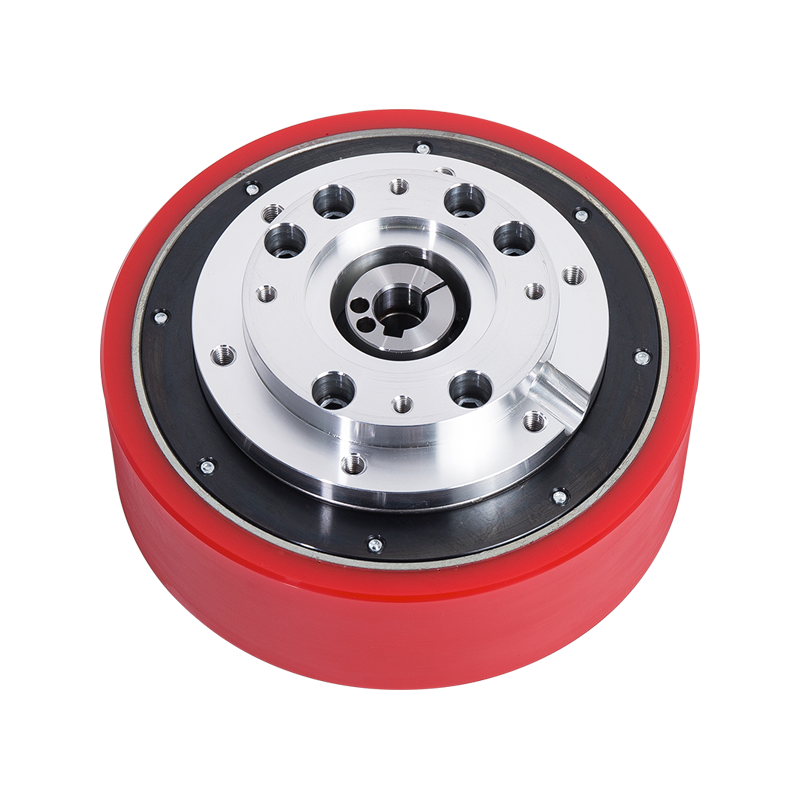
At the heart of the RCIV ring gear output AGV special planetary reducer is a sophisticated design that features a distinctive ring gear output configu...
See Details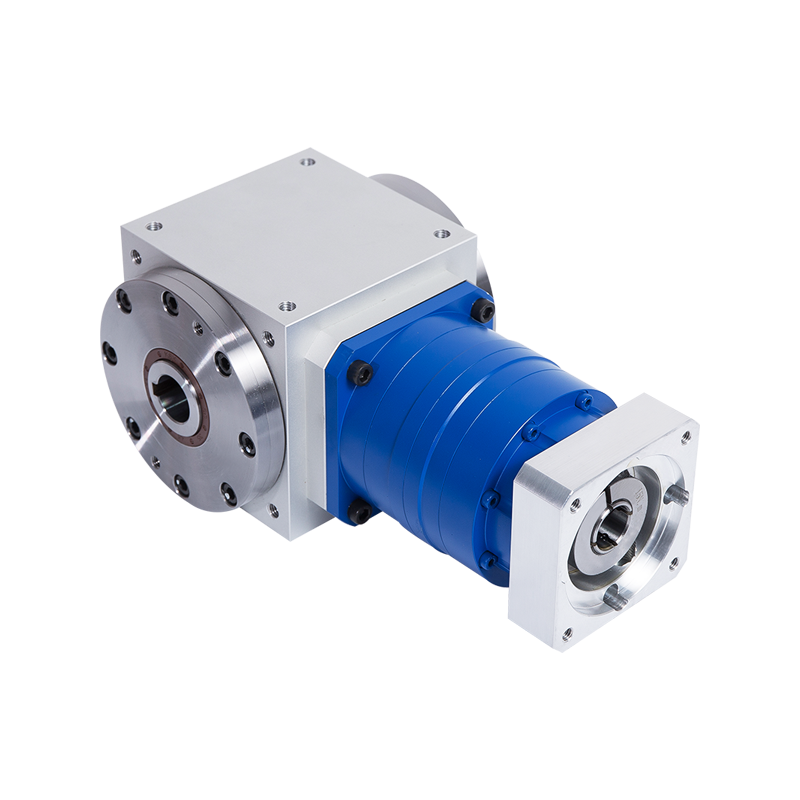
The hollow-type high-precision spiral bevel gear reducer is specially designed. The hollow design makes the center space of the reducer empty and can ...
See Details
MAKIKAWA-MOTION TECHNOLOGY (ZHEJIANG) CO., LTD. @ All rights reserved

Custom High Precision Planetary Gearbox Reducer Manufacturers