

 en
en русский
 Deutsch
 日本語
日本語 Español
 简体中文
简体中文Door Driving Precision Planetary Reducer
Cat:MK series planetary reducer
Industry-product lineupApplicable to: Door drive (planetary, coaxial shaft)MKB Precision Planetary Reducer is a cutting-edge mechanical device designe...
See DetailsContent
A reduction gearbox, also known as a gear reducer, is a mechanical device used to reduce the speed of an input power source while increasing the torque output. Typically integrated with electric motors, engines, or turbines, reduction gearboxes play a critical role in machinery requiring precise speed control and high torque. The device consists of gears, shafts, and bearings arranged to achieve the desired speed reduction ratio.
Understanding the components of a reduction gearbox is essential for proper operation and maintenance. The primary parts include:
Reduction gearboxes are categorized based on gear arrangement, application, and efficiency. Choosing the right type affects performance, cost, and maintenance requirements.
Spur gear reducers are the simplest form, featuring straight-toothed gears. They are efficient at low to medium speeds and provide a cost-effective solution for applications requiring minimal backlash. Common uses include conveyors and small machinery.
Helical gear reducers utilize angled teeth, which provide smoother operation and higher load capacity compared to spur gears. They are widely used in heavy-duty applications like mixers, crushers, and industrial fans due to their durability and quiet performance.
Bevel and worm gear reducers allow torque transfer at right angles, making them ideal for compact installations. Worm gears provide high reduction ratios but are less efficient due to sliding friction. Bevel gears balance efficiency with space-saving design.
Planetary gearboxes feature a central sun gear, planet gears, and an outer ring gear. This configuration allows high torque output, compact size, and excellent load distribution. Planetary reducers are commonly used in robotics, cranes, and precision machinery.
Reduction gearboxes are critical in industries where torque multiplication and speed control are essential. Key applications include:
Selecting a suitable reduction gearbox requires analyzing factors like speed ratio, torque requirements, efficiency, and environmental conditions. Key considerations include:
Proper maintenance is essential to maximize efficiency and longevity of reduction gearboxes. Regular inspection and care can prevent unexpected downtime and costly repairs.
Consistent lubrication reduces friction and wear on gears and bearings. Use the manufacturer-recommended lubricant and follow the suggested intervals for oil replacement or replenishment.
Inspect gears, bearings, and shafts regularly for signs of wear, misalignment, or cracks. Early detection allows preventive action before complete failure occurs.
Excessive heat and vibration indicate underlying issues such as misalignment or inadequate lubrication. Monitoring these parameters can prevent catastrophic failures and extend gearbox life.
Reduction gearboxes face challenges like noise, efficiency loss, and load fluctuations. Addressing these proactively ensures consistent performance:
Reduction gearboxes are indispensable in modern industry, enabling precise speed control and torque multiplication for countless applications. Selecting the right type, performing regular maintenance, and understanding operational limits ensure optimal performance and longevity. From heavy industrial machinery to robotics, gear reducers remain a cornerstone of mechanical engineering.
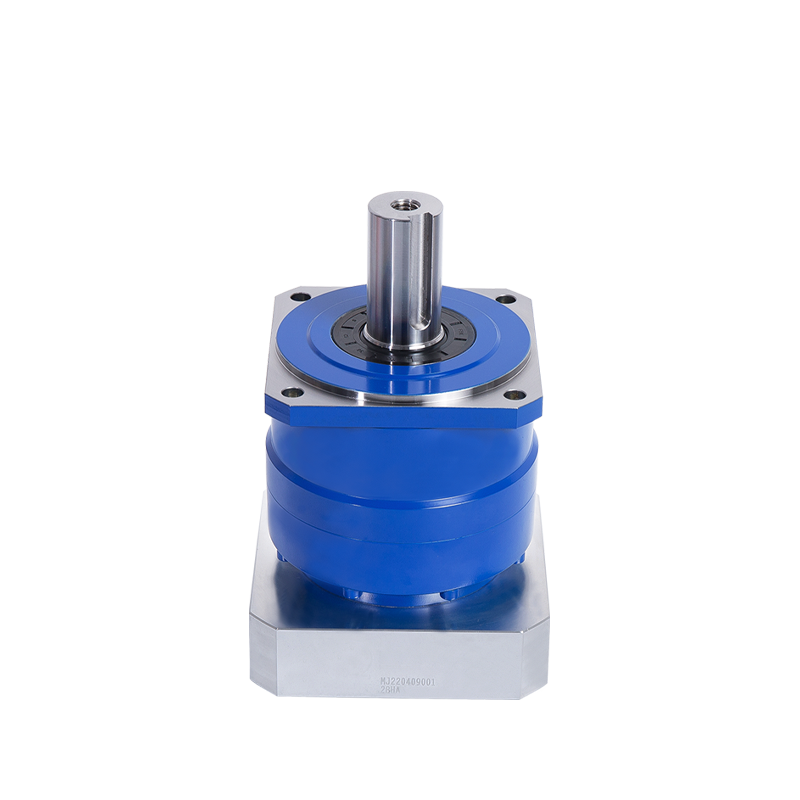
Industry-product lineupApplicable to: Door drive (planetary, coaxial shaft)MKB Precision Planetary Reducer is a cutting-edge mechanical device designe...
See Details
Industry- product lineupApplicable to: Door drive (planetary, coaxial shaft)MKL Precision Planetary Reducer lies in its multi-size segment selection c...
See Details
Meet the needs of customers with high-precision requirements for semiconductor devices, machine tools, etc.MKG reducer meets the various needs of cust...
See Details
Ball bearings, orthogonal axis, more flexible installationMKEB Planetary Reducer stands as a testament to advancements in planetary gear technology, f...
See Details
Suitable for customers with rich needs such as semiconductor manufacturing equipment and machine toolsApplicable to: Tapered roller bearings for door ...
See Details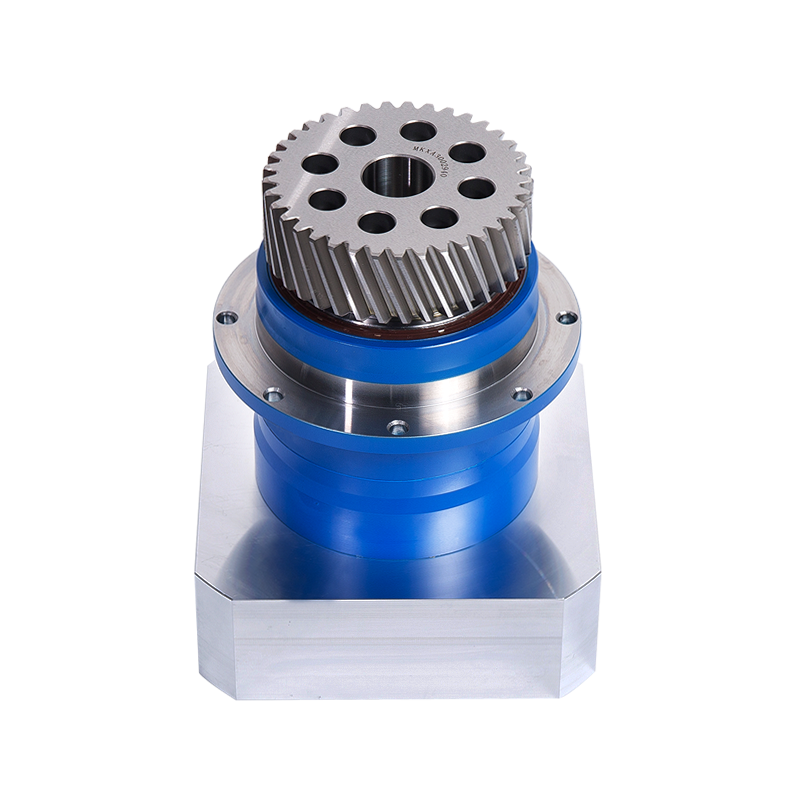
Laser-cutting equipment often operates in confined spaces, requiring motion control systems that can seamlessly integrate without compromising efficie...
See Details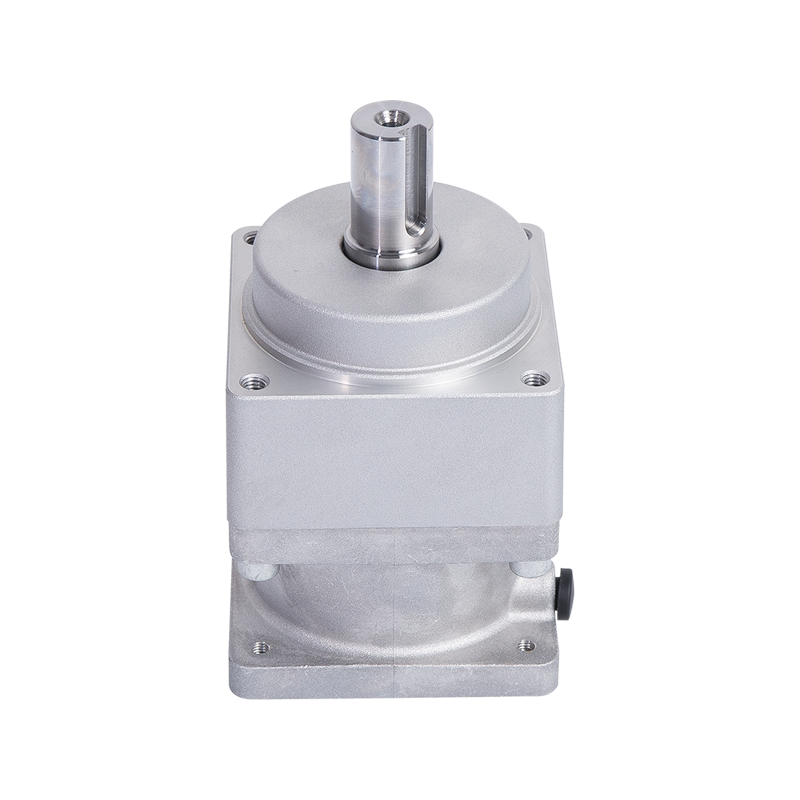
This MKGC-5C-400 high torque durable economical star reducer is designed for stable, cost-effective power transmission in general industrial and heavy...
See Details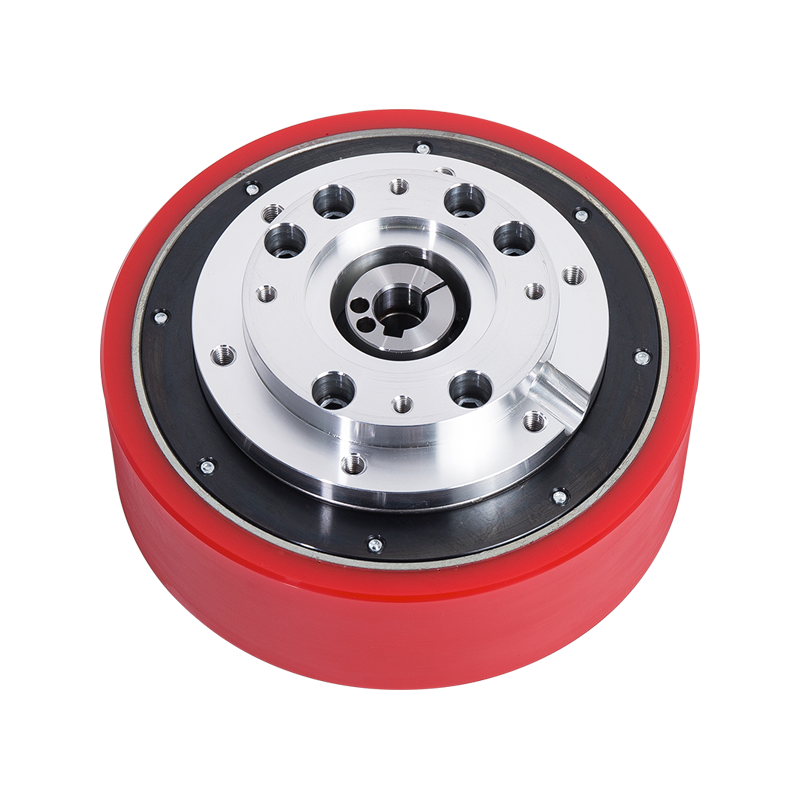
At the heart of the RCIV ring gear output AGV special planetary reducer is a sophisticated design that features a distinctive ring gear output configu...
See Details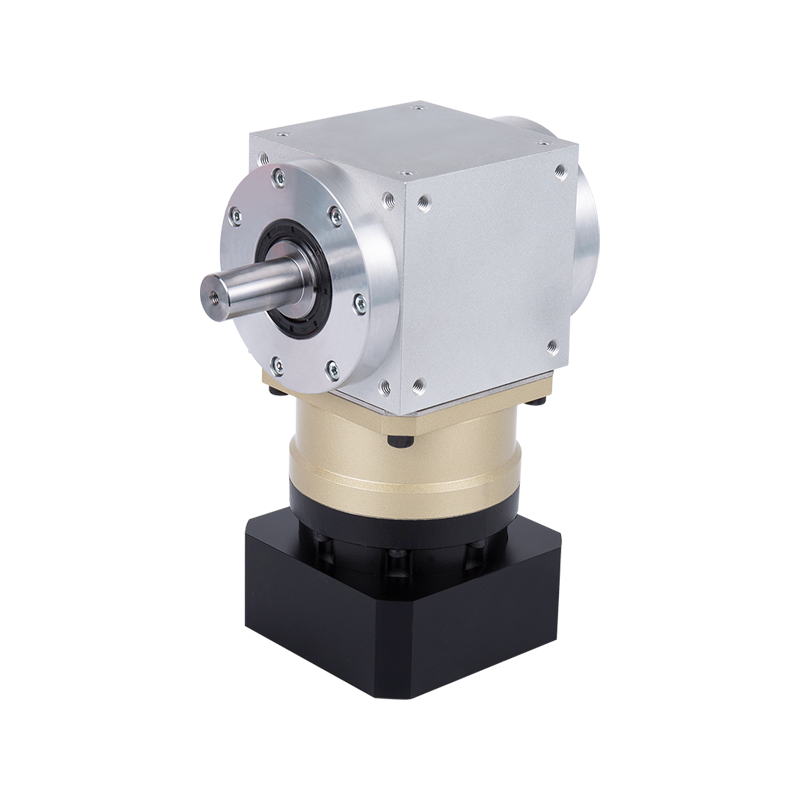
The planetary reducer adopts a planetary gear transmission structure, which has high transmission efficiency, and the single solid shaft design can re...
See Details
The worm bevel double output shaft type planetary reducer uses a combination of worm gear transmission and planetary gear transmission to improve the ...
See Details
MAKIKAWA-MOTION TECHNOLOGY (ZHEJIANG) CO., LTD. @ All rights reserved

Custom High Precision Planetary Gearbox Reducer Manufacturers