

 en
en русский
 Deutsch
 日本語
日本語 Español
 简体中文
简体中文Servo Motor MKT Precision Planetary Reducer
Cat:MK series planetary reducer
Meet the needs of customers with high precision requirements for semiconductor devices, automation equipment, machine tools, etc.Applicable to: Door d...
See DetailsContent
Planetary gear reducers, also known as planetary gearboxes or planetary speed reducers, are widely used in automation, robotics, CNC machinery, conveyors, and heavy industrial equipment. Their compact structure, high torque density, and excellent efficiency make them ideal for applications requiring precise motion control and high load capacity.
The basic design includes a central sun gear, multiple planet gears, a ring gear, and a carrier. This configuration distributes load evenly across gears, allowing planetary reducers to transmit significantly more torque than traditional spur or helical gearboxes of similar size.
When single-stage planetary gear reducers cannot meet performance demands, engineers often combine multiple reducers to achieve higher gear ratios, improved torque output, or customized speed control.
While high-ratio planetary gearboxes are available, combining reducers offers greater flexibility, modularity, and often better performance. Multi-stage combinations can be optimized for efficiency, heat dissipation, and precision rather than relying on one oversized reducer.
In servo motor applications, combining planetary gear reducers also allows engineers to match motor inertia more accurately, resulting in smoother acceleration and better positioning accuracy.
The most widely used approach is connecting reducers in series, where the output of the first reducer drives the input of the second. Gear ratios multiply, allowing very high total reduction in a compact footprint.
For example, combining a 10:1 reducer with a 15:1 reducer yields a total ratio of 150:1, ideal for high-torque low-speed machinery such as rotary tables or lifting systems.
In heavy-duty applications, multiple planetary gear reducers may share torque loads through mechanical coupling. This approach is common in large industrial drives where extreme torque levels would overload a single gearbox.
Advanced mechanical systems sometimes use differential planetary gear configurations to create variable speed outputs, torque splitting, or synchronized motion between shafts.
When combining planetary gear reducers in series, total gear ratio is the product of each stage’s ratio. Torque multiplication follows the same principle, though efficiency losses must be considered.
Total Efficiency = Efficiency Stage 1 × Efficiency Stage 2 × Efficiency Stage 3 (if applicable)
Modern planetary gearboxes typically offer 95% to 98% efficiency per stage. Even with multiple stages, combined efficiency often exceeds traditional worm gear reducers.
| Stage Ratios | Total Ratio | Estimated Efficiency |
| 5:1 × 10:1 | 50:1 | ~93% |
| 10:1 × 15:1 | 150:1 | ~91% |
| 10:1 × 10:1 × 5:1 | 500:1 | ~88% |
Proper alignment is critical when connecting multiple planetary gear reducers. Even small shaft misalignments can introduce vibration, bearing wear, and premature gear failure.
Many manufacturers offer flange-to-flange modular planetary gear reducers specifically designed for stacking, reducing alignment risks and simplifying installation.
Combining planetary gear reducers increases mechanical load and heat generation. Proper lubrication ensures smooth operation, reduced friction, and long service life.
Key considerations include selecting high-quality synthetic gear oils or factory-lubricated sealed units, monitoring operating temperatures, and allowing sufficient airflow or cooling.
In continuous-duty industrial applications, thermal modeling can help predict heat buildup and prevent lubricant breakdown.
Planetary gear reducers are frequently paired with servo motors for high-precision automation. When combining reducers, inertia matching becomes even more critical.
Proper reducer selection minimizes reflected inertia, reduces motor strain, and improves acceleration response. Low-backlash planetary gearboxes are especially valuable in robotics, CNC machines, and positioning systems.
Multi-stage planetary gearbox systems are commonly found in industries requiring compact high-torque solutions.
Even high-quality planetary gear reducers can fail prematurely if improperly combined or selected.
Combining planetary gear reducers is a powerful strategy for achieving high torque, precise speed control, and compact mechanical design. With careful ratio planning, alignment, lubrication, and servo integration, multi-stage planetary gearbox systems can outperform traditional gear reducers in both efficiency and durability.
By understanding load requirements, thermal behavior, and motion control principles, engineers can create reliable drive systems that deliver long-term performance in demanding industrial environments.
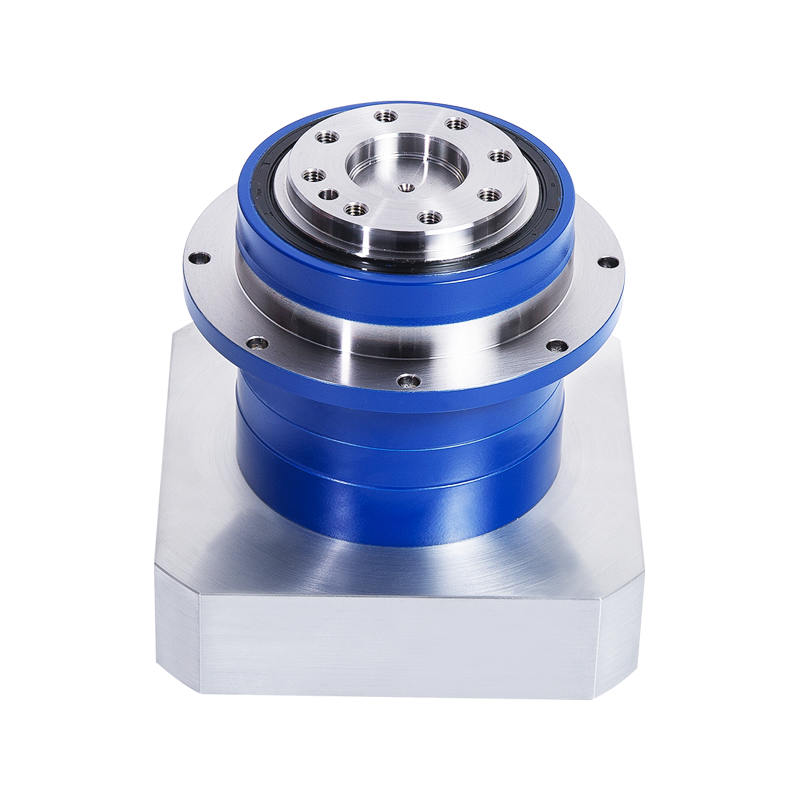
Meet the needs of customers with high precision requirements for semiconductor devices, automation equipment, machine tools, etc.Applicable to: Door d...
See Details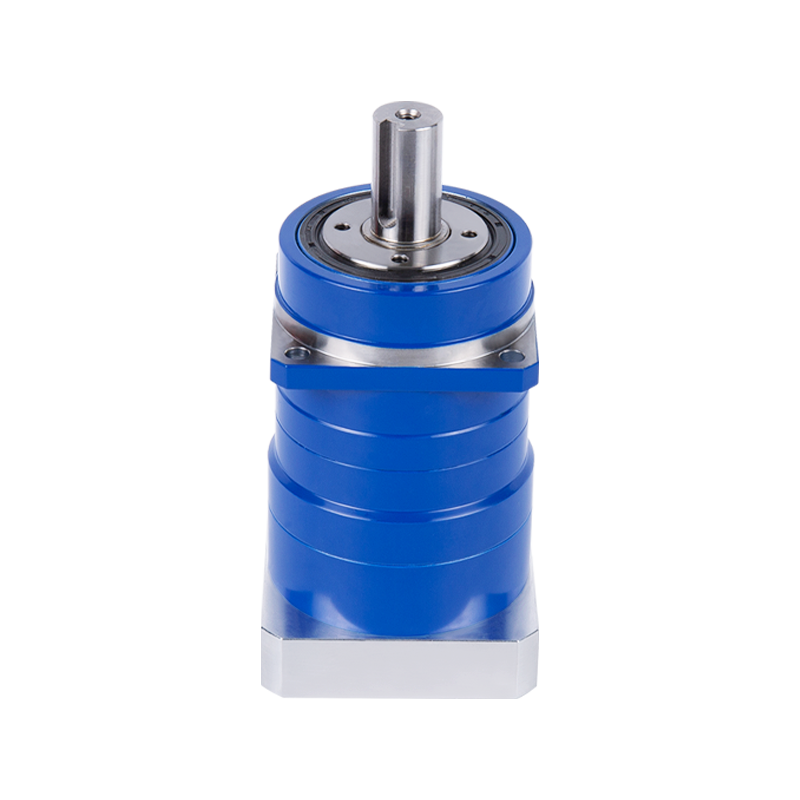
MKS Precision Planetary Reducer and servo motors represent a pinnacle in motion control technology. Their combined strengths — precision engineering, ...
See Details
Meet the needs of customers with high-precision requirements for semiconductor devices, machine tools, etc.MKG reducer meets the various needs of cust...
See Details
Ball bearings, orthogonal axis, more flexible installationMKEB Planetary Reducer stands as a testament to advancements in planetary gear technology, f...
See Details
Suitable for customers with rich needs such as semiconductor manufacturing equipment and machine toolsApplicable to: Tapered roller bearings for door ...
See Details
MKEL Planetary Reducer specifically engineered for the intricate demands of semiconductor fabrication processes integrates into manufacturing equipmen...
See Details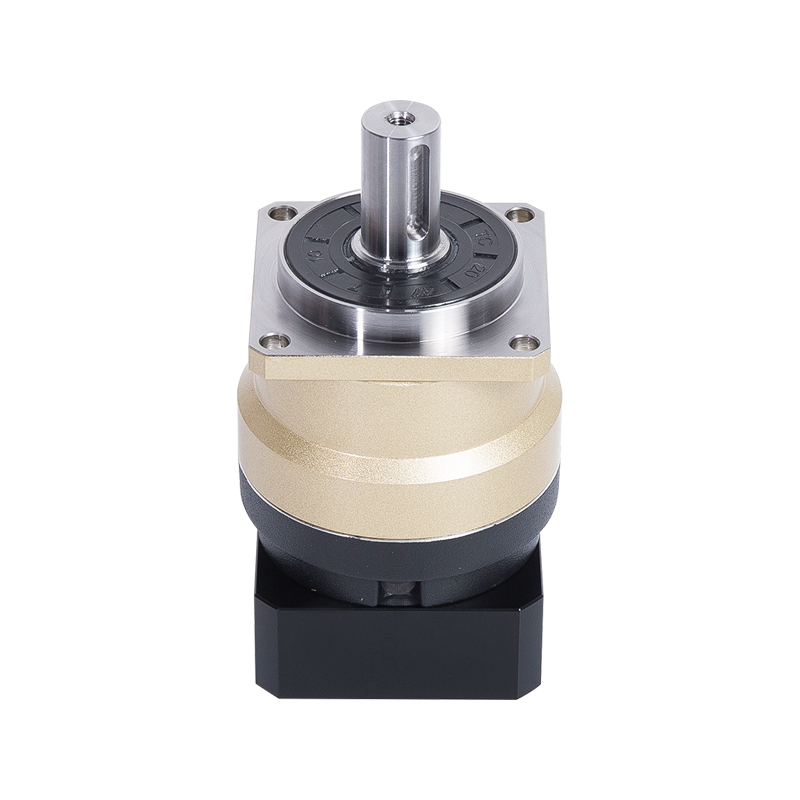
Helical gear design, high bite rate, smooth operation, low noise, low backlash. The sun gear output shaft bearing is designed directly in the arm to e...
See Details
MPEB helical gear design economical star reducer a departure from conventional spur gears. The helical gear design brings a host of advantages, includ...
See Details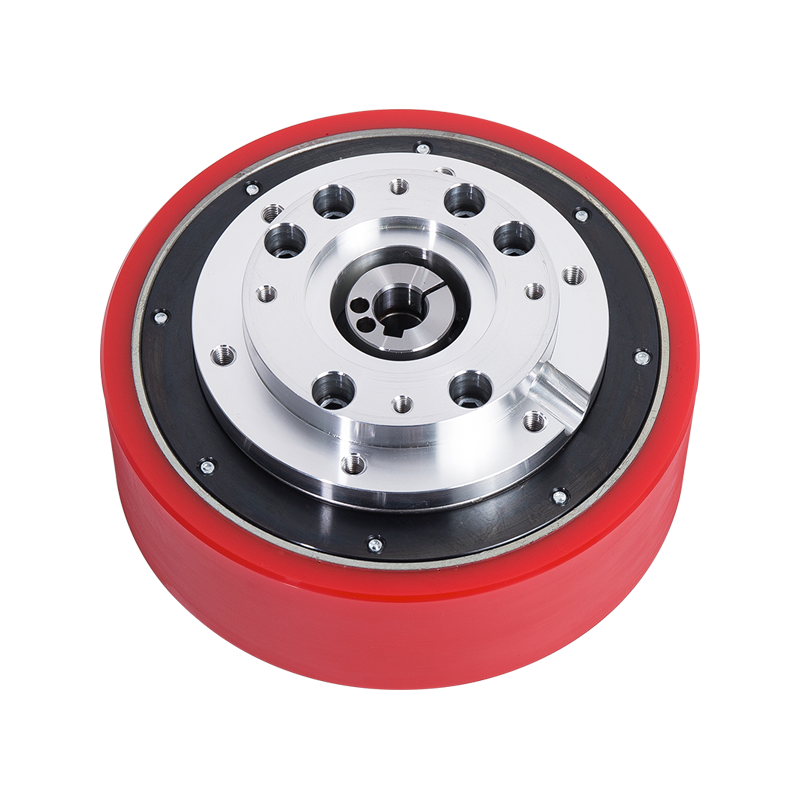
At the heart of the RCIV ring gear output AGV special planetary reducer is a sophisticated design that features a distinctive ring gear output configu...
See Details
High-performance output shaft type planetary reducer, with high rated speed and high dynamic application, adopts lightweight design and high-efficienc...
See Details
MAKIKAWA-MOTION TECHNOLOGY (ZHEJIANG) CO., LTD. @ All rights reserved

Custom High Precision Planetary Gearbox Reducer Manufacturers