

 en
en русский
 Deutsch
 日本語
日本語 Español
 简体中文
简体中文Door Driving Precision Planetary Reducer
Cat:MK series planetary reducer
Industry-product lineupApplicable to: Door drive (planetary, coaxial shaft)MKB Precision Planetary Reducer is a cutting-edge mechanical device designe...
See DetailsContent
High speed reduction gearboxes are mechanical devices designed to reduce the input speed from motors while increasing torque output. These gearboxes are critical in various industrial applications, including conveyor systems, packaging machinery, robotics, and material handling equipment. By optimizing speed and torque, they enable precise motion control and enhance system efficiency.
The fundamental principle of high speed reduction gearboxes involves converting a high-speed, low-torque input from the motor into a lower-speed, higher-torque output. This transformation allows machinery to operate within safe mechanical limits while achieving the required performance.
There are several types of high speed reduction gearboxes, each optimized for specific applications and operational requirements. Selecting the right type ensures maximum efficiency, durability, and cost-effectiveness.
Helical gearboxes use angled teeth that engage gradually, providing smooth and quiet operation. They are highly efficient at transmitting power and suitable for continuous-duty applications. Their advantages include high load capacity, reduced vibration, and long service life.
Planetary gearboxes distribute the load across multiple gears, which allows them to handle high torque in a compact design. They are ideal for applications requiring precise motion control, high speed reduction ratios, and minimal backlash.
Cycloidal gearboxes use a unique rolling motion to transfer torque. Their high shock load resistance, compact size, and durability make them suitable for robotics, conveyors, and heavy-duty industrial machinery.
Performance of high speed reduction gearboxes depends on multiple factors, including gear ratio, torque capacity, efficiency, and thermal characteristics. Understanding these factors helps in selecting the optimal gearbox for specific industrial applications.
The gear ratio determines how much the input speed is reduced and the torque is increased. High reduction ratios produce greater torque but reduce speed, while lower ratios allow higher output speeds with moderate torque. Accurate calculation of required torque ensures reliable operation and prevents overloading.
Efficiency is critical for industrial processes as energy losses directly impact operational costs. Helical and planetary gearboxes typically offer efficiencies above 90%, while cycloidal designs may have slightly lower efficiency but higher shock load capacity. Proper lubrication and precision assembly further enhance efficiency.
High-speed operations can generate significant noise and vibration, affecting machinery lifespan and workplace safety. Helical gear designs and precision-ground gears reduce noise levels, while balanced construction minimizes vibrations. For sensitive environments, acoustic enclosures may be added.
High speed reduction gearboxes are indispensable in many industries due to their versatility and performance benefits. They are used wherever precise speed reduction and high torque are necessary.
Proper maintenance of high speed reduction gearboxes significantly extends their service life and reduces downtime. Industrial environments can be demanding, so routine checks are essential.
Lubrication reduces friction, heat, and wear. Selecting the right lubricant type, viscosity, and interval is critical. Synthetic lubricants are preferred for high-speed applications due to thermal stability and extended service life.
Inspecting gear teeth, bearings, and seals for wear or misalignment prevents unexpected failures. Vibration analysis and thermography can identify issues before they escalate.
Avoiding overload is essential to maintain gearbox reliability. Torque sensors and monitoring systems help ensure the gearbox operates within safe parameters.
Choosing the correct high speed reduction gearbox requires analyzing application requirements, space constraints, load conditions, and efficiency goals. Engineers must balance speed reduction, torque capacity, and durability to maximize system performance.
| Gearbox Type | Ideal Application | Key Advantages |
| Helical | Continuous-duty conveyors, industrial fans | Smooth operation, high efficiency, low noise |
| Planetary | Robotics, CNC machinery | Compact, high torque, low backlash |
| Cycloidal | Heavy-duty conveyors, automated handling | High shock load resistance, durable, compact |
High speed reduction gearboxes are essential components in modern industrial systems, enabling high efficiency, precise motion control, and optimized torque output. Understanding their types, performance factors, applications, and maintenance needs allows engineers to select and operate gearboxes effectively, ensuring reliability and longevity in demanding industrial environments.
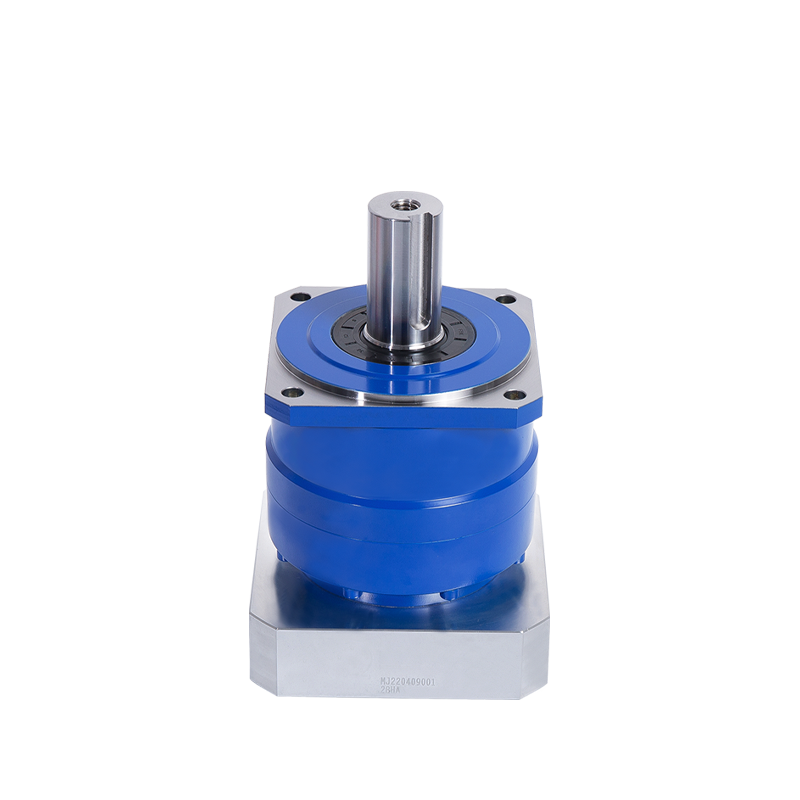
Industry-product lineupApplicable to: Door drive (planetary, coaxial shaft)MKB Precision Planetary Reducer is a cutting-edge mechanical device designe...
See Details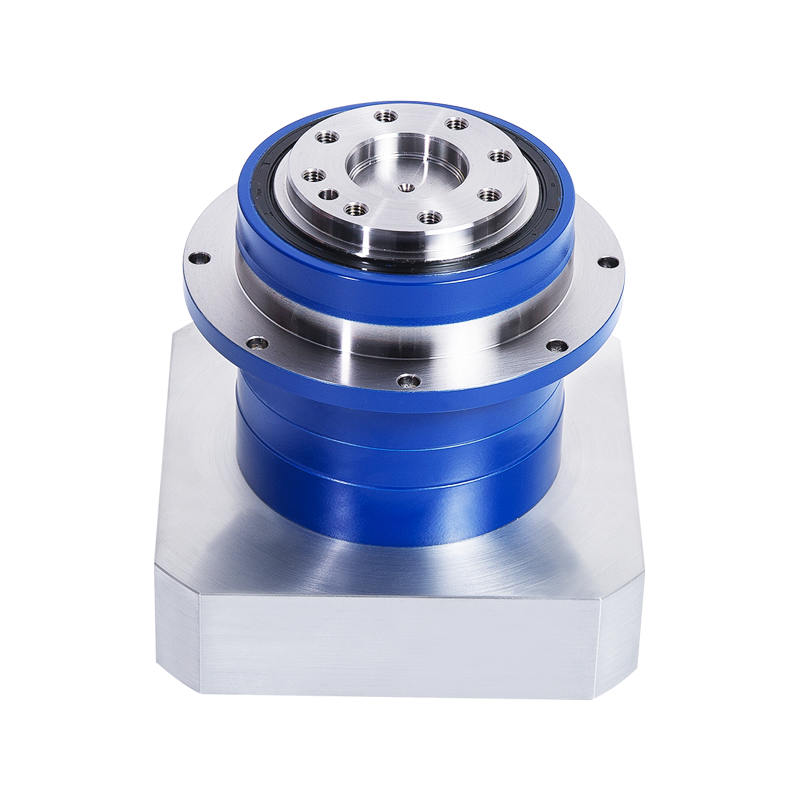
Meet the needs of customers with high precision requirements for semiconductor devices, automation equipment, machine tools, etc.Applicable to: Door d...
See Details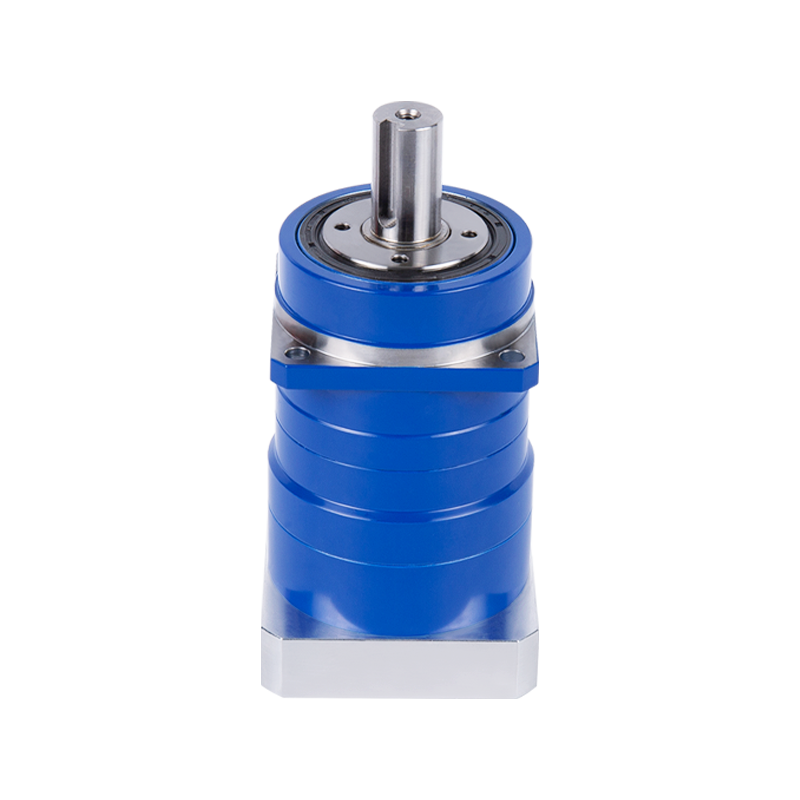
MKS Precision Planetary Reducer and servo motors represent a pinnacle in motion control technology. Their combined strengths — precision engineering, ...
See Details
Industry- product lineupApplicable to: Door drive (planetary, coaxial shaft)MKL Precision Planetary Reducer lies in its multi-size segment selection c...
See Details
Meet the needs of customers with high-precision requirements for semiconductor devices, machine tools, etc.MKG reducer meets the various needs of cust...
See Details
Ball bearings, orthogonal axis, more flexible installationMKEB Planetary Reducer stands as a testament to advancements in planetary gear technology, f...
See Details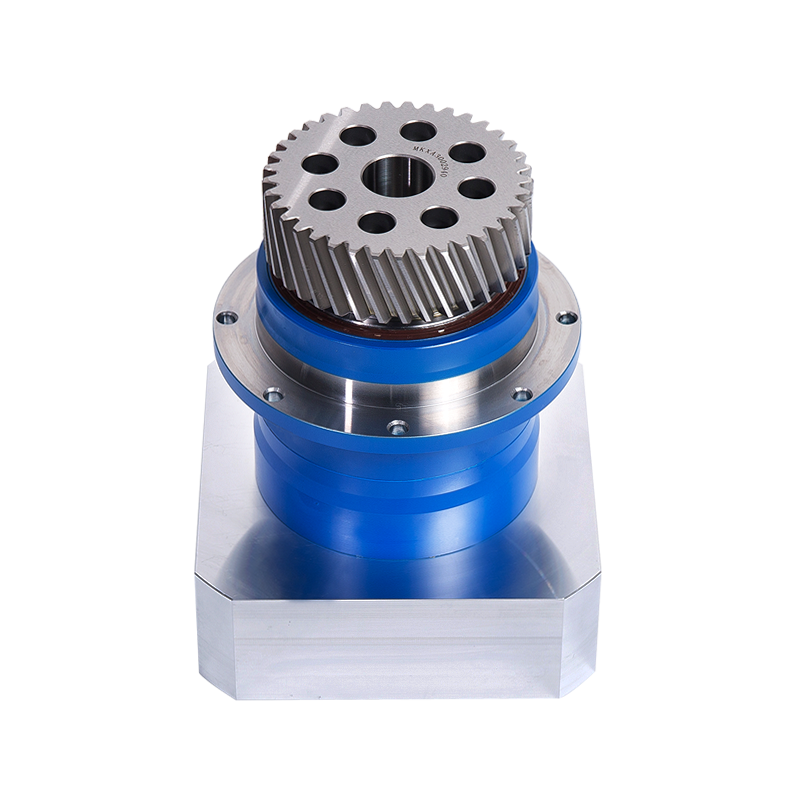
Laser-cutting equipment often operates in confined spaces, requiring motion control systems that can seamlessly integrate without compromising efficie...
See Details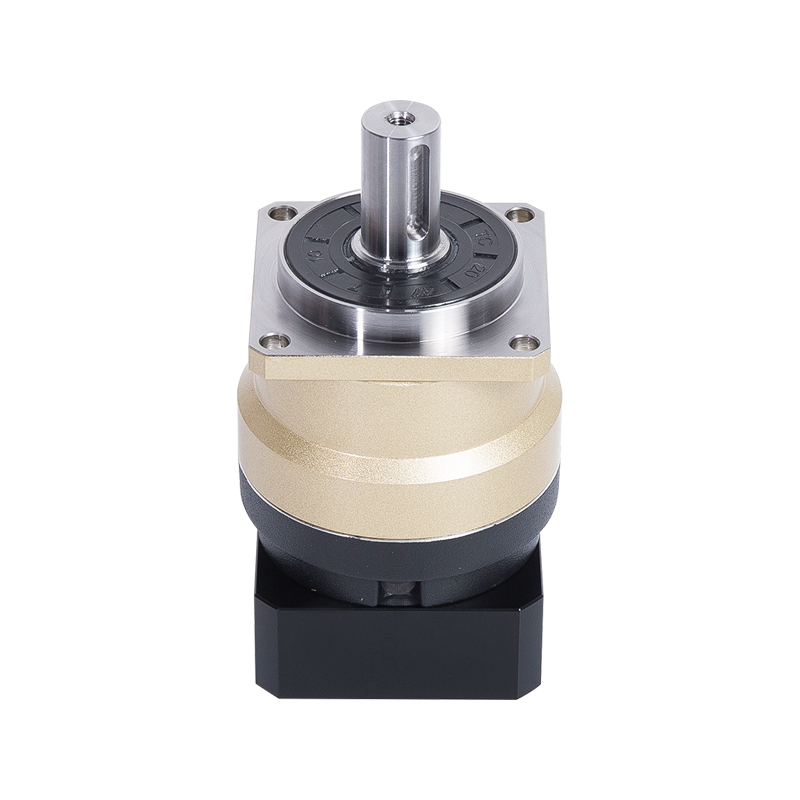
Helical gear design, high bite rate, smooth operation, low noise, low backlash. The sun gear output shaft bearing is designed directly in the arm to e...
See Details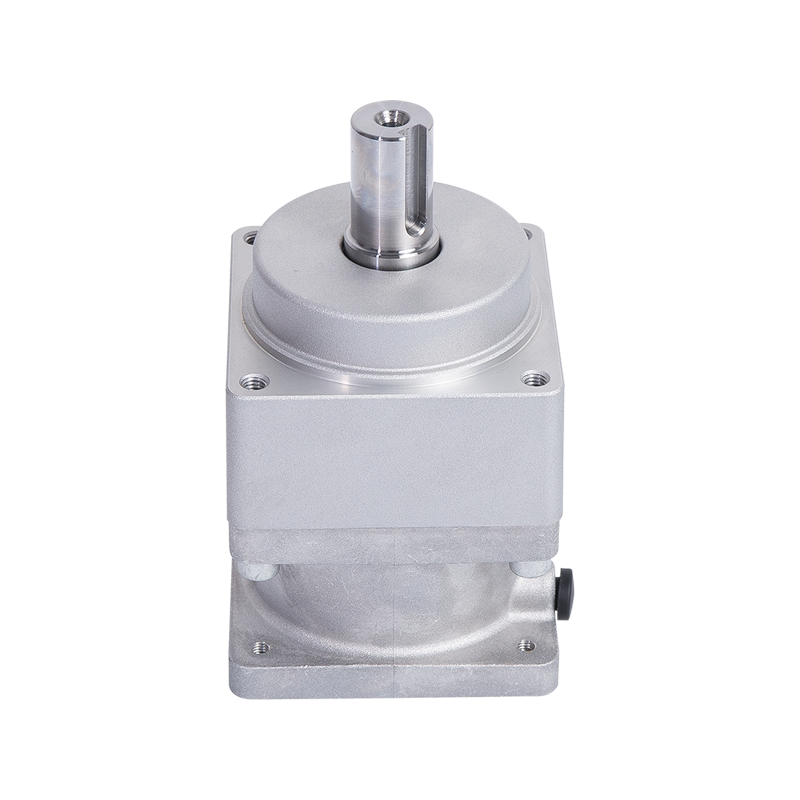
This MKGC-5C-400 high torque durable economical star reducer is designed for stable, cost-effective power transmission in general industrial and heavy...
See Details
High-performance output shaft type planetary reducer, with high rated speed and high dynamic application, adopts lightweight design and high-efficienc...
See Details
MAKIKAWA-MOTION TECHNOLOGY (ZHEJIANG) CO., LTD. @ All rights reserved

Custom High Precision Planetary Gearbox Reducer Manufacturers