

 en
en русский
 Deutsch
 日本語
日本語 Español
 简体中文
简体中文Door Driving Precision Planetary Reducer
Cat:MK series planetary reducer
Industry-product lineupApplicable to: Door drive (planetary, coaxial shaft)MKB Precision Planetary Reducer is a cutting-edge mechanical device designe...
See DetailsContent
Planetary reducer gearboxes are critical components in modern mechanical systems, widely used in industrial machinery, robotics, and automotive applications. Their compact design, high torque output, and efficiency make them ideal for situations where space is limited but performance is critical. Unlike traditional gear systems, planetary gearboxes distribute load across multiple gears, enhancing durability and minimizing backlash.
A typical planetary reducer gearbox consists of three main components: the sun gear, planet gears, and the ring gear. Each component has a specific function:
The arrangement of these gears allows planetary gearboxes to achieve higher torque in a compact size while maintaining efficiency and smooth operation. Advanced materials and precision machining further improve lifespan and reliability, especially under continuous heavy loads.
Planetary reducer gearboxes are preferred in many industrial applications due to their unique benefits:
Planetary gear reducers are highly versatile and find applications across multiple industries:
Choosing the correct planetary reducer gearbox requires consideration of several factors to ensure optimal performance:
Determine the required torque based on your application. Planetary gearboxes are rated by maximum torque capacity and continuous torque. Consider peak loads and safety factors to prevent premature failure.
The gear ratio affects the output speed and torque. Higher ratios provide increased torque but reduce output speed. Matching the ratio with motor specifications ensures efficient system performance.
Consider available space for installation. Planetary gearboxes offer compact designs with multiple mounting configurations, including flange, foot, and hollow shaft types, allowing seamless integration into machinery.
High-quality materials like hardened steel and advanced alloys improve durability. Proper lubrication type and schedule, such as synthetic oils or grease, reduce wear and maintain efficiency.
Maintaining planetary gear reducers is essential to maximize lifespan and prevent costly downtime:
Proactive maintenance reduces failure risks and keeps systems running smoothly, particularly in continuous or high-load industrial applications.
Understanding the differences can help in making informed decisions for industrial or robotic applications:
| Feature | Planetary Gearbox | Conventional Gearbox |
| Torque Density | High | Moderate |
| Backlash | Low | Higher |
| Efficiency | High (≈95%) | Moderate |
| Size | Compact | Larger |
| Applications | Robotics, high-torque drives | General machinery |
Planetary reducer gearboxes are an essential choice for modern industrial and robotic systems. Their high torque density, compact design, low backlash, and versatile mounting options make them suitable for applications where precision and durability are critical. By selecting the right gearbox based on torque requirements, gear ratio, material quality, and maintenance needs, engineers can ensure optimal performance and long-term reliability in demanding environments.
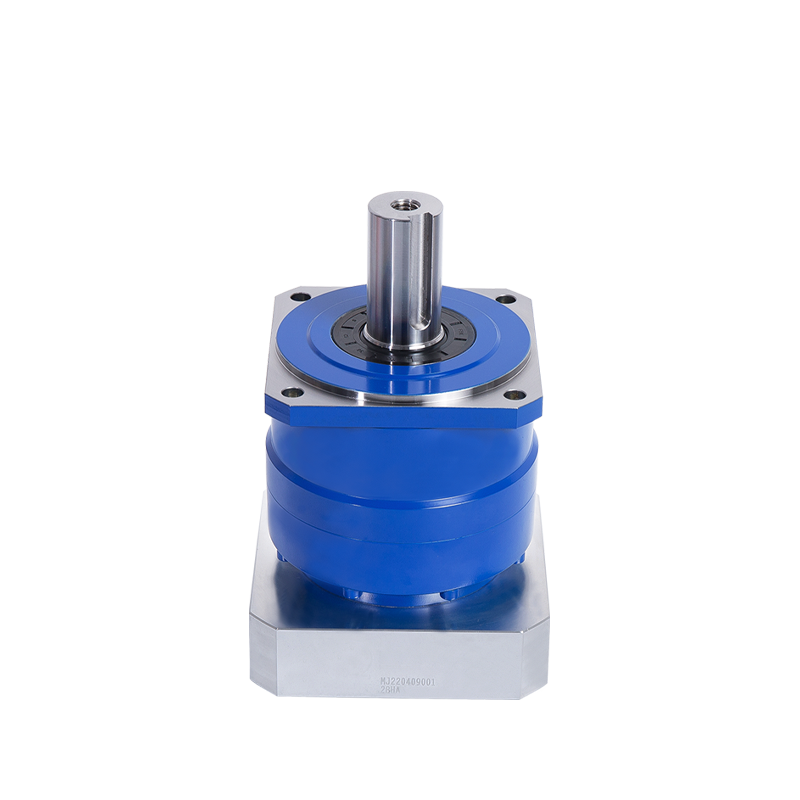
Industry-product lineupApplicable to: Door drive (planetary, coaxial shaft)MKB Precision Planetary Reducer is a cutting-edge mechanical device designe...
See Details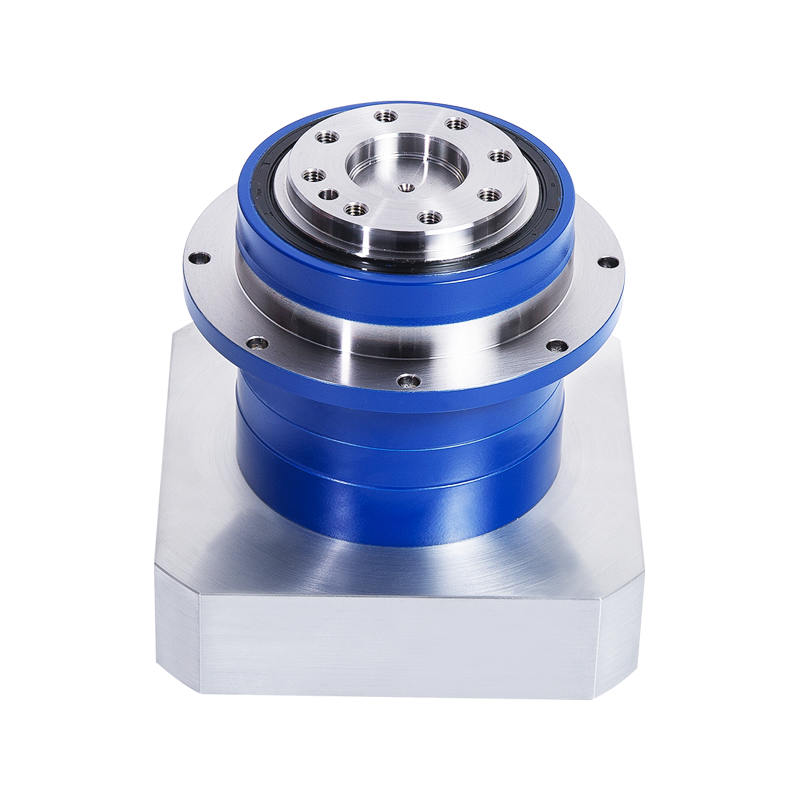
Meet the needs of customers with high precision requirements for semiconductor devices, automation equipment, machine tools, etc.Applicable to: Door d...
See Details
Ball bearings, orthogonal axis, more flexible installationMKEB Planetary Reducer stands as a testament to advancements in planetary gear technology, f...
See Details
Suitable for customers with high output and compact requirementsApplicable to: Crossed roller bearings, for door drive (planetary, orthogonal shaft/ho...
See Details
Suitable for customers with rich needs such as semiconductor manufacturing equipment and machine toolsApplicable to: Tapered roller bearings for door ...
See Details
MKEL Planetary Reducer specifically engineered for the intricate demands of semiconductor fabrication processes integrates into manufacturing equipmen...
See Details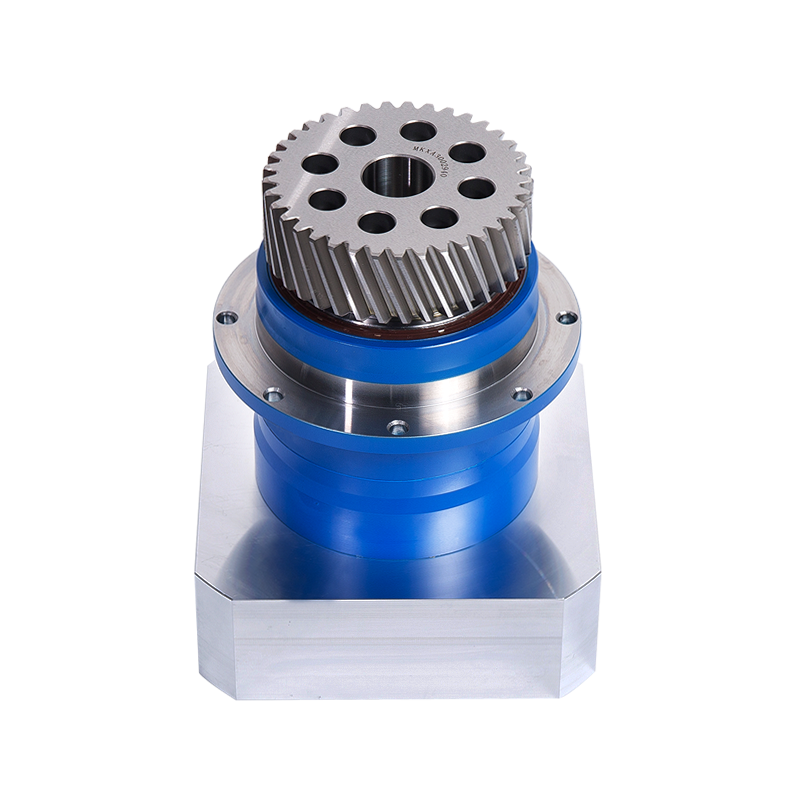
Laser-cutting equipment often operates in confined spaces, requiring motion control systems that can seamlessly integrate without compromising efficie...
See Details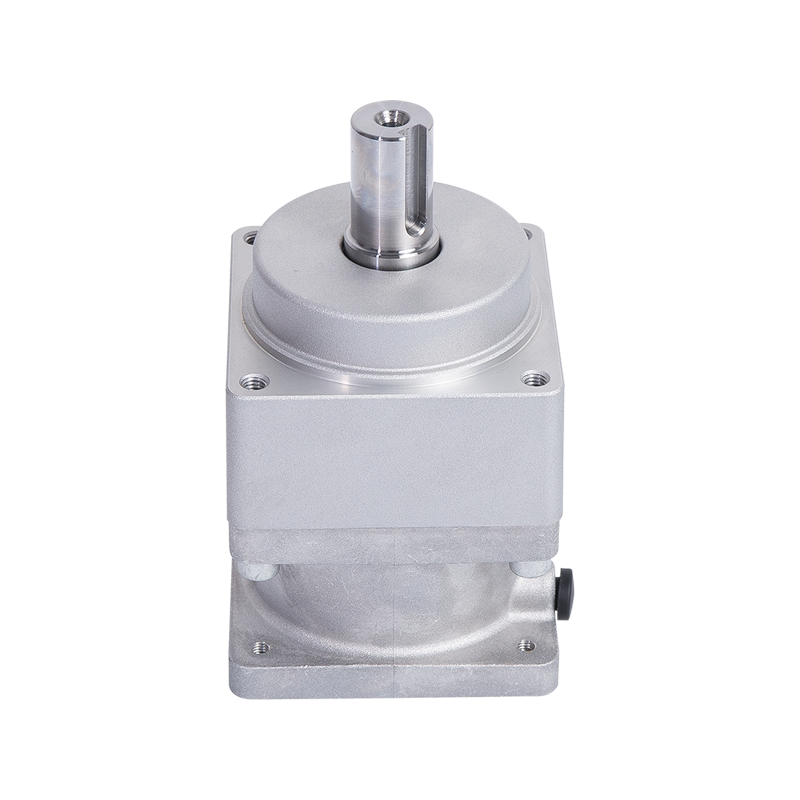
This MKGC-5C-400 high torque durable economical star reducer is designed for stable, cost-effective power transmission in general industrial and heavy...
See Details
MPEB helical gear design economical star reducer a departure from conventional spur gears. The helical gear design brings a host of advantages, includ...
See Details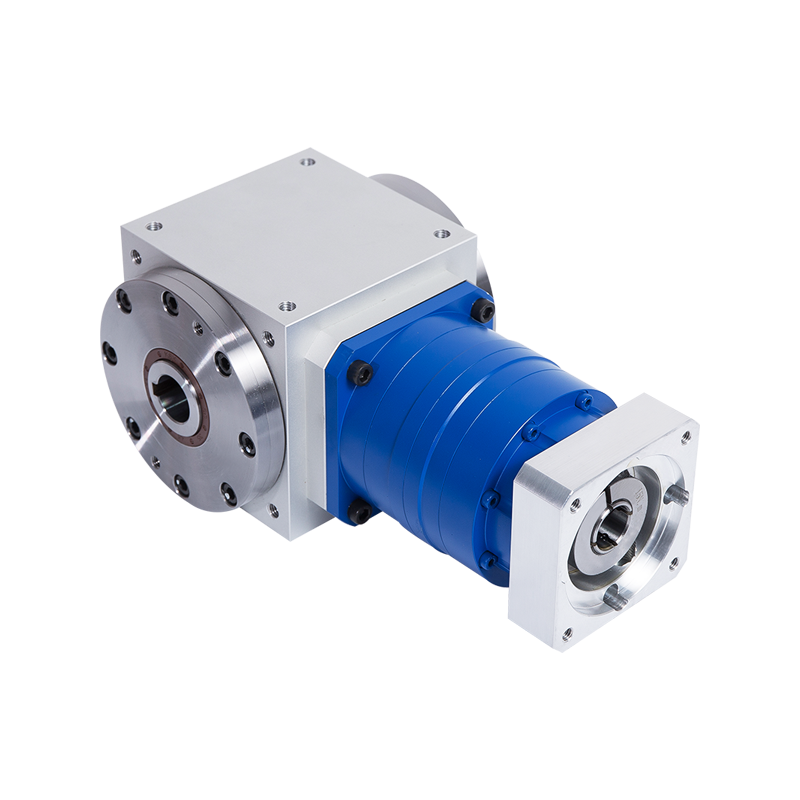
The hollow-type high-precision spiral bevel gear reducer is specially designed. The hollow design makes the center space of the reducer empty and can ...
See Details
MAKIKAWA-MOTION TECHNOLOGY (ZHEJIANG) CO., LTD. @ All rights reserved

Custom High Precision Planetary Gearbox Reducer Manufacturers