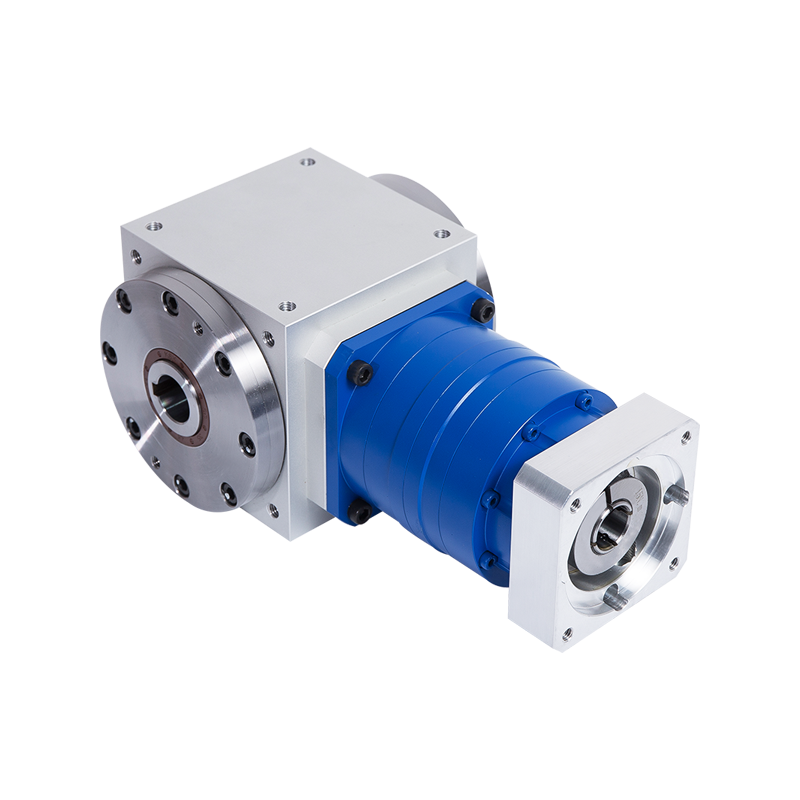
Understanding Reduction Gearboxes in Practical Systems
Reduction gearboxes are mechanical assemblies designed to reduce input speed while proportionally increasing output torque. They are foundational in industries from manufacturing to robotics. A practical understanding goes beyond definitions — it requires knowing how reduction gearboxes are paired with motors and loads to realize reliable performance. This section clarifies what reduction gearboxes are, why they are used, and how they impact machine performance when combined with other components.
Defining Reduction Gearboxes
At their core, reduction gearboxes use a series of gears — often in stages — to lower rotational speed. They take a high-speed, low-torque input (commonly from a motor) and convert it into a lower-speed, higher-torque output. Unlike conceptual descriptions, practical gearbox selection must consider load types, duty cycles, backlash, and overall integration with the drive system.
Why Gear Reduction is Practical
In real-world equipment, motors rarely deliver torque at RPMs that match load requirements. For example, conveyor drives or heavy lifting mechanisms need more torque at slower speeds. Without reduction gearboxes, motors would need to be oversized, increasing cost, weight, and inefficiency. Reduction gearboxes optimize motor output and bring it into usable range without sacrificing control or lifetime reliability.
Key Types of Reduction Gearboxes and Their Practical Uses
Different gearbox types offer specific mechanical advantages. The choice depends on the application's torque requirements, space constraints, backlash tolerance, and efficiency targets. Below is a breakdown of the key gearbox types often used in combined mechanical systems.
Planetary Reduction Gearboxes
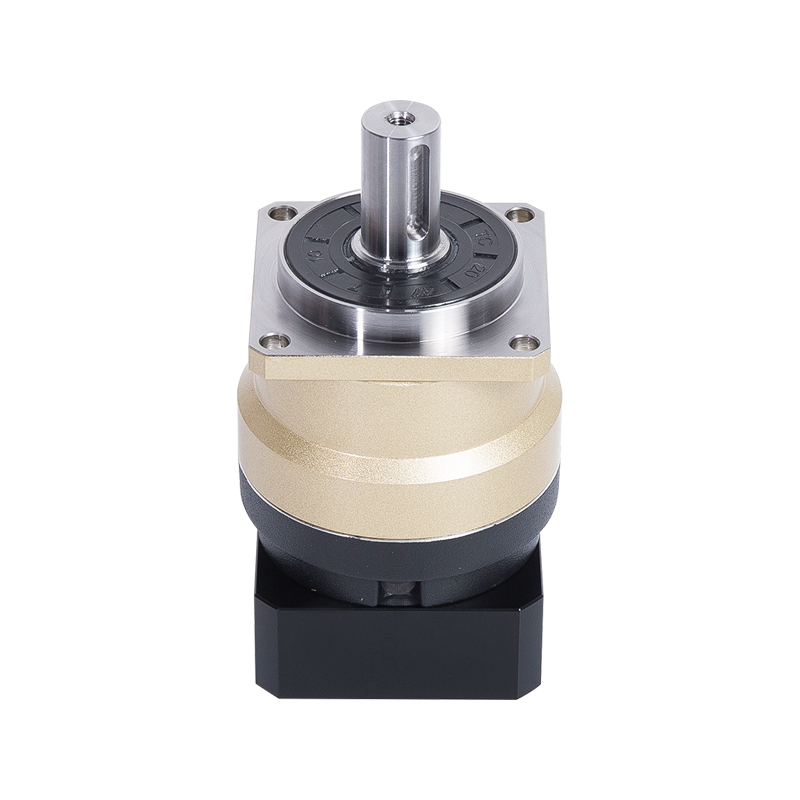
Planetary gearboxes are compact and capable of high torque density. They distribute load across multiple planet gears orbiting a central sun gear, delivering high reduction ratios in small packages. These are widely used in robotics, automated guided vehicles (AGVs), and precision servo systems where space is limited and smooth transmission is needed.
Helical and Bevel Helical Gearboxes
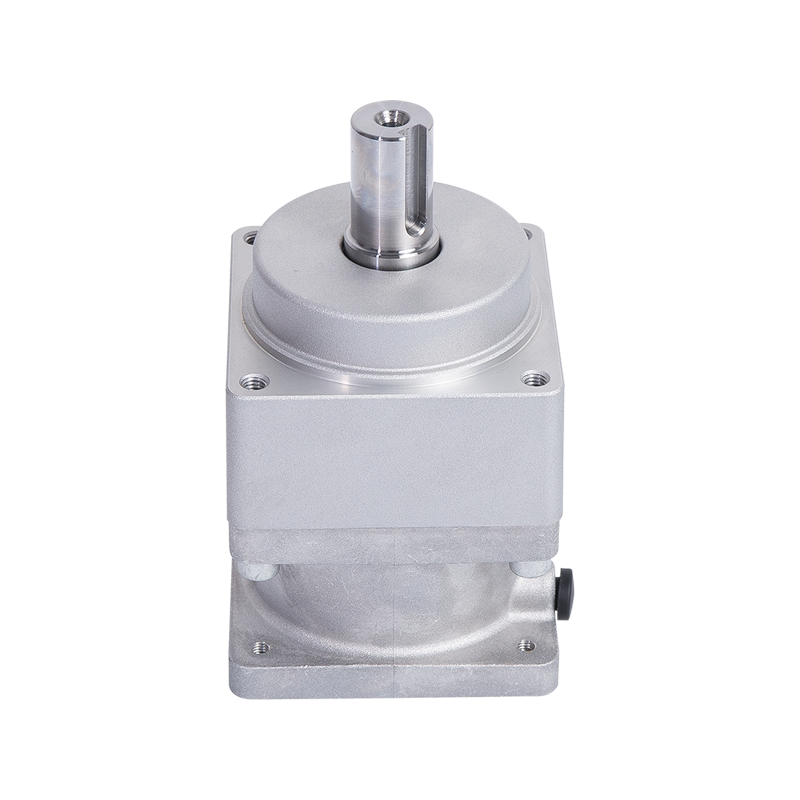
Helical and bevel helical gearboxes offer high efficiency and quieter operation. The angled teeth produce gradual contact, reducing noise and shock. These gearboxes are best suited for industrial conveyors, mixers, and pumps where continuous operation and quiet performance are required.
Worm Reduction Gearboxes
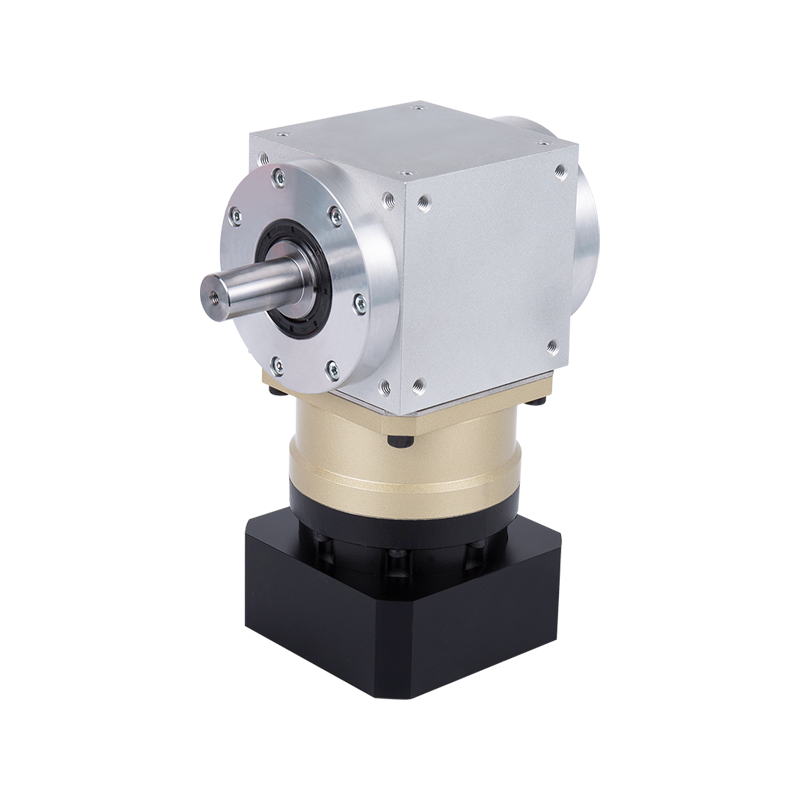
Worm gearboxes provide high reduction ratios with simple assemblies. Their perpendicular input and output axes make them useful in right-angle drives. However, they are less efficient than helical or planetary types, making them suitable for moderate torque systems where noise and heat are acceptable, such as lifts or small packaging machines.
Choosing by Application Table
| Gearbox Type |
Best Used For |
Advantages |
Typical Industries |
| Planetary |
Compact high-torque |
High torque density, precise |
Robotics, AGV, CNC |
| Helical |
Continuous high-load |
Efficient, quiet |
Manufacturing, conveyors |
| Worm |
Right-angle, low-speed |
Simple, high ratio |
Lifts, simple machinery |
How to Combine Reduction Gearboxes with Motors
Pairing a reduction gearbox with a motor is more than matching numbers on data sheets. It’s a process that must consider mechanical compatibility, control strategy, system inertia, and long-term reliability. The following guidelines help engineers and technicians specify combinations that deliver real performance benefits.
Matching Gearbox Ratios to System Load
Start by understanding the load curve and desired speed/torque at the driven shaft. The reduction ratio (output speed/input speed) must bring the motor into an efficient operating range. Motors have efficiency curves; operating outside optimal torque/speed wastes energy and increases heat. A practical reduction gearbox ratio positions the motor near its peak efficiency while delivering required torque at the output.
Motor Types and Control Compatibility
Different motor types (AC induction, brushless DC, stepper, servo) have distinct characteristics. For servo systems, planetary gearboxes with low backlash are preferred to preserve precise motion control. In contrast, AC induction motors paired with helical reducers are common in conveyor systems because speed variation is minimal and control is simpler.
Managing Backlash and Precision
Backlash is the small amount of free movement between gear teeth. In precision systems — like robotic arms — minimizing backlash is essential to accuracy. Planetary gearboxes and special low-backlash helical units are appropriate here. For non‑critical applications, standard gearboxes offer cost advantages without sacrificing durability.
Installation and Maintenance Considerations
Even the best gearbox and motor combinations fail prematurely without proper installation and maintenance. This section covers actionable steps that technicians can take to ensure maximum system uptime.
Proper Alignment and Mounting
Incorrect alignment between the motor and gearbox shaft causes bearing stress and vibration, leading to early wear. Use precision alignment tools or laser alignment where possible. Ensure the mounting structure is rigid and supports both components without inducing stress.
Lubrication Best Practices
Gearbox lubrication is vital. Follow manufacturer recommendations for oil type and change intervals. In dusty or high-temperature environments, choose lubricants with appropriate additives. Regular oil analysis can predict wear before failures occur.
Monitoring for Wear and Vibration
Implement vibration analysis and periodic visual inspection. Increased vibration or heat often signals gear wear or bearing issues. Early detection avoids catastrophic failure. Use accelerometers or portable vibration tools during scheduled maintenance.
Troubleshooting Common Issues with Combined Gearbox Systems
Even with proper design and maintenance, mechanical systems can exhibit issues. Being able to diagnose problems quickly helps reduce downtime. Below are common symptoms and practical steps to solve them.
Excessive Heat in Gearbox
Heat buildup usually indicates overload, insufficient lubrication, or misalignment. Check oil level and quality first. Then verify that the gearbox ratio matches the load demands. Finally, confirm shaft alignment to eliminate excess friction.
Unusual Noise or Rattling
Noise often signals worn bearings, gear teeth damage, or loose mounting. Isolate the source by running the machine at idle speeds. Inspect bearings and teeth visually if possible, and tighten mounting bolts to proper torque specifications.
Irregular Output Speed
Fluctuating speed can come from control issues with the motor drive, improper gearbox selection, or internal damage. Verify the motor controller settings, ensure the gearbox ratio matches the desired output, and check for internal slippage or wear.
Conclusion: Practical Gearbox Integration for Reliable Systems
Reduction gearboxes are fundamental to real‑world mechanical systems. Practical use requires thoughtful selection, careful motor pairing, and disciplined maintenance. By understanding gearbox types, how they combine with motors, and how to troubleshoot issues, engineers and technicians can build systems that are efficient, reliable, and long lasting. Applying the strategies in this guide will help you reduce downtime, improve performance, and optimize machinery across a wide range of industrial applications.


 en
en русский
 Deutsch
 日本語
日本語 Español
 简体中文
简体中文