

 en
en русский
 Deutsch
 日本語
日本語 Español
 简体中文
简体中文Door Driving Precision Planetary Reducer
Cat:MK series planetary reducer
Industry-product lineupApplicable to: Door drive (planetary, coaxial shaft)MKB Precision Planetary Reducer is a cutting-edge mechanical device designe...
See DetailsContent
Door Driving Precision Planetary Reducer is critical components in modern automated door systems, providing accurate torque transmission and speed reduction. Their design allows for smooth operation, compact structure, and high reliability, making them ideal for environments where precision and durability are required.
Unlike conventional gear systems, planetary reducers distribute the load across multiple gears simultaneously. This reduces wear and extends service life, particularly in high-frequency operations such as automatic sliding doors, revolving doors, and industrial gate systems.
A standard planetary reducer consists of a sun gear, planet gears, a planet carrier, and a ring gear. In door driving applications, the motor typically connects to the sun gear, which rotates the planet gears. The planet carrier transmits torque to the output shaft, while the stationary ring gear provides reaction force, ensuring high precision and efficiency.
The arrangement of these gears allows for compact design while achieving significant reduction ratios. This is particularly valuable in door systems where space is limited and smooth, controlled movement is essential to prevent damage or safety hazards.
Precision planetary reducers are widely used in various types of automated doors, including sliding doors, swing doors, and revolving doors. Their ability to handle high torque at low speeds allows doors to operate quietly and efficiently, enhancing user experience.
They also support smart control systems, enabling synchronization with sensors, access control, and safety mechanisms. By integrating planetary reducers, doors can maintain smooth acceleration and deceleration, reducing mechanical stress and prolonging system lifespan.
Choosing the correct reducer requires evaluating factors such as torque requirements, reduction ratio, motor compatibility, and environmental conditions. Ensuring alignment with the door’s operational speed and load is critical for optimal performance.
The reducer must handle peak torque without excessive wear. For heavy doors, selecting a reducer with higher torque capacity prevents premature failure and ensures smooth operation. Planetary designs excel here due to distributed load handling.
Matching the reduction ratio to the motor speed and door movement is essential. Too high a reduction may slow response, while too low may stress the motor. Accurate calculation ensures balanced performance and energy efficiency.
Regular maintenance ensures that door driving precision planetary reducers operate reliably over time. Key practices include lubrication, alignment checks, and periodic inspection of gear wear.
Different door applications require specific reducer characteristics. The table below compares common options based on torque, compactness, and suitability for door automation:
| Door Type | Recommended Torque | Reduction Ratio | Notes |
| Sliding Doors | 50–100 Nm | 10:1 to 30:1 | Smooth operation and quiet movement are critical |
| Swing Doors | 30–70 Nm | 8:1 to 20:1 | Moderate torque, high precision for automated control |
| Revolving Doors | 80–150 Nm | 15:1 to 40:1 | High torque and durability for continuous operation |
Even high-quality planetary reducers may face operational issues. Common problems include abnormal noise, sluggish movement, and overheating. Identifying the root cause quickly can prevent door system downtime.
Unusual sounds often indicate misalignment or wear in the gears or bearings. Inspecting and lubricating components can resolve most noise issues.
Excessive heat may result from insufficient lubrication, excessive load, or improper reduction ratio. Correcting these factors ensures safe and efficient operation.
Door Driving Precision Planetary Reducers are essential for modern automated door systems, offering reliable torque transmission, compact design, and smooth operation. Understanding their components, proper selection, and maintenance can significantly extend service life and improve system performance.
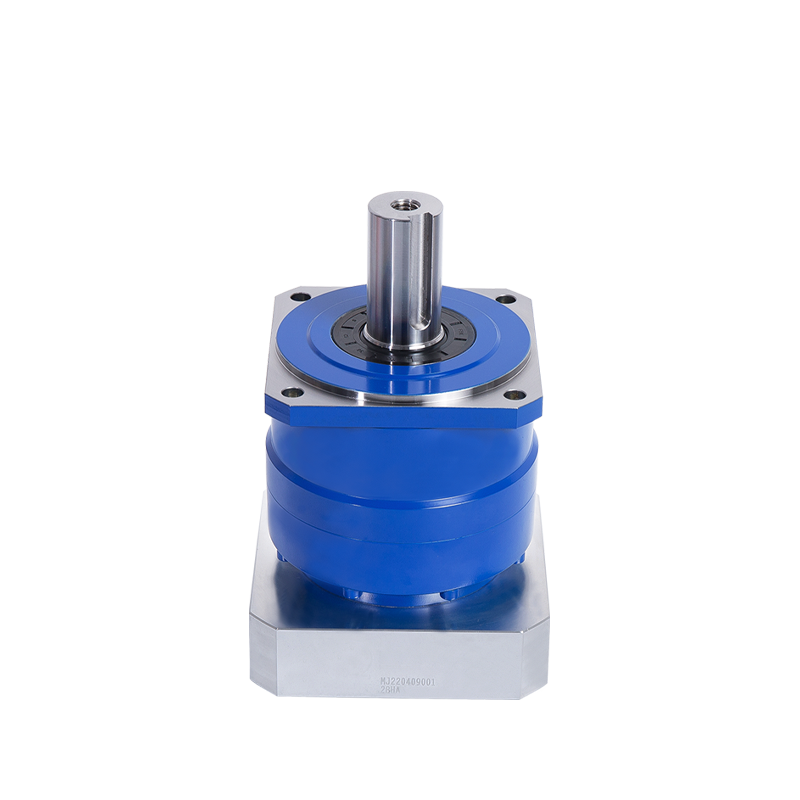
Industry-product lineupApplicable to: Door drive (planetary, coaxial shaft)MKB Precision Planetary Reducer is a cutting-edge mechanical device designe...
See Details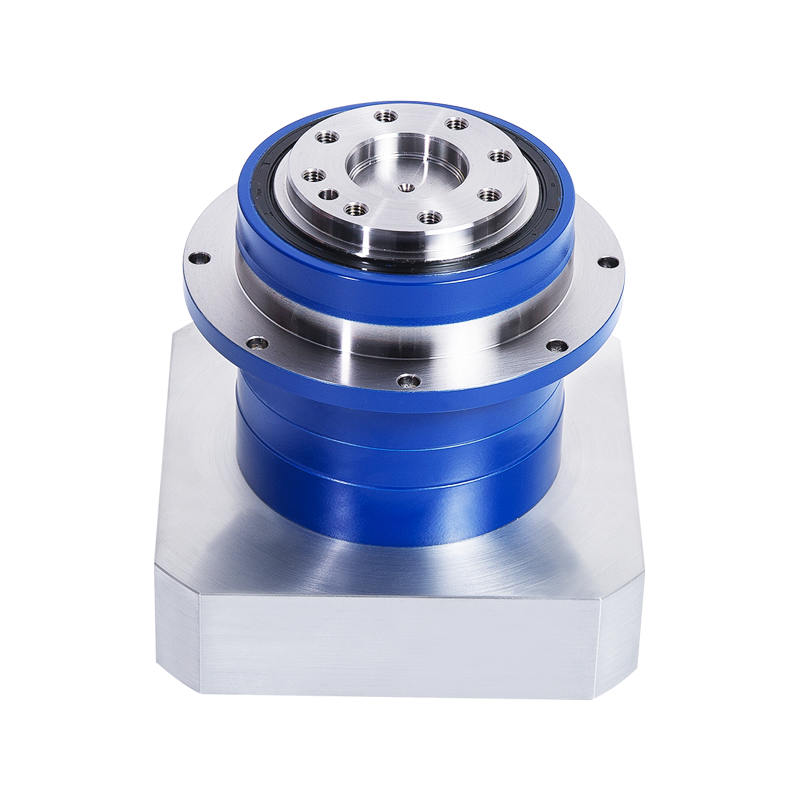
Meet the needs of customers with high precision requirements for semiconductor devices, automation equipment, machine tools, etc.Applicable to: Door d...
See Details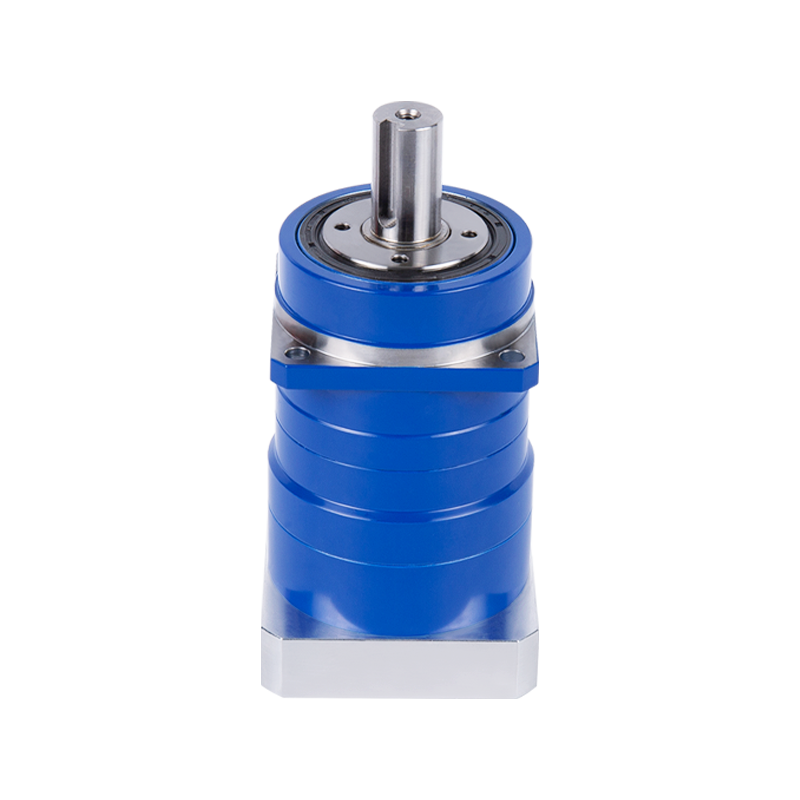
MKS Precision Planetary Reducer and servo motors represent a pinnacle in motion control technology. Their combined strengths — precision engineering, ...
See Details
Industry- product lineupApplicable to: Door drive (planetary, coaxial shaft)MKL Precision Planetary Reducer lies in its multi-size segment selection c...
See Details
Suitable for customers with rich needs such as semiconductor manufacturing equipment and machine toolsApplicable to: Tapered roller bearings for door ...
See Details
MKEL Planetary Reducer specifically engineered for the intricate demands of semiconductor fabrication processes integrates into manufacturing equipmen...
See Details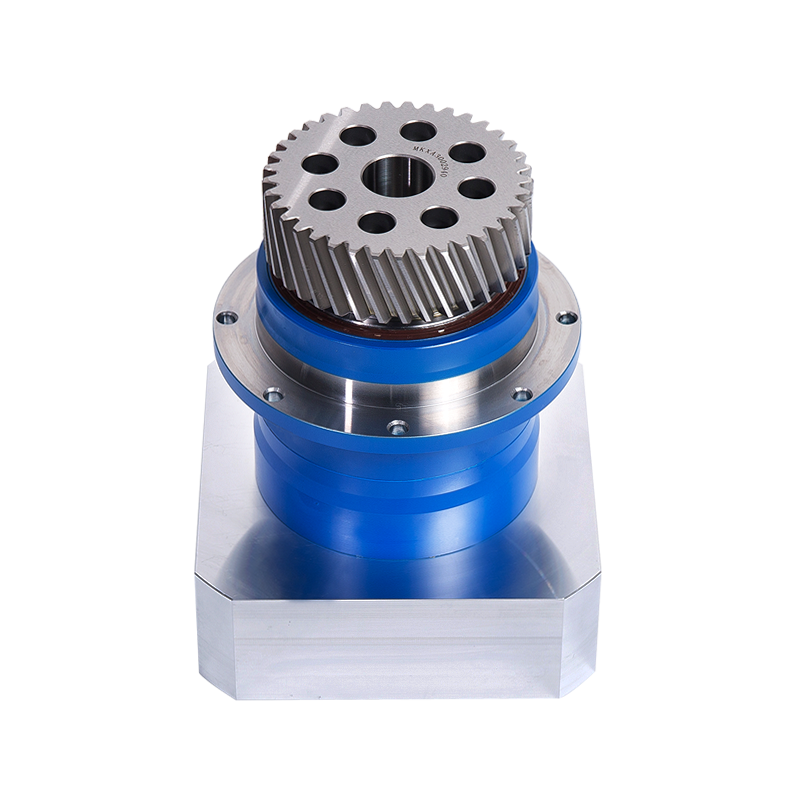
Laser-cutting equipment often operates in confined spaces, requiring motion control systems that can seamlessly integrate without compromising efficie...
See Details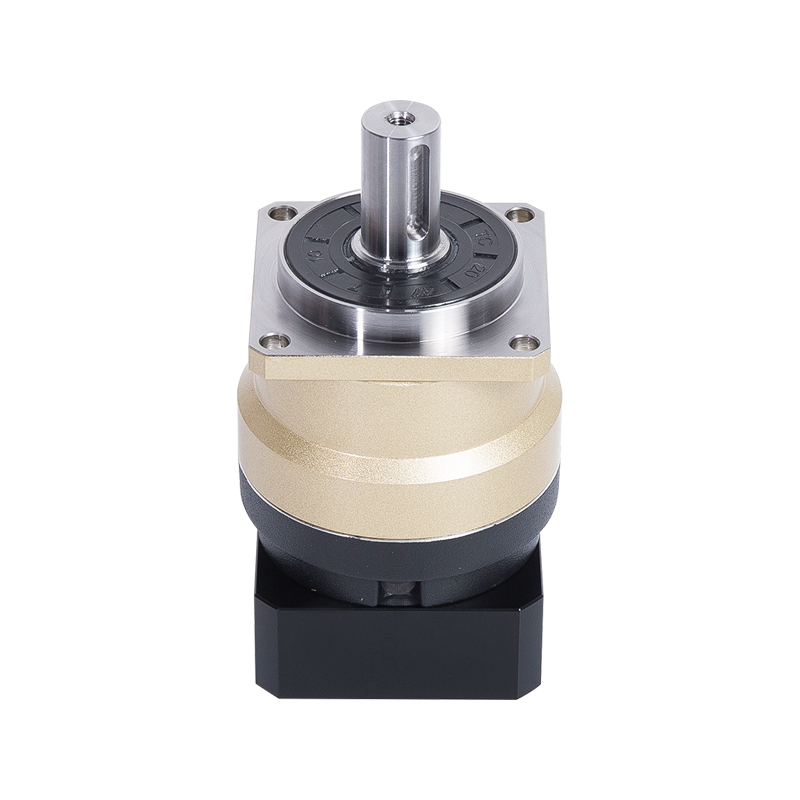
Helical gear design, high bite rate, smooth operation, low noise, low backlash. The sun gear output shaft bearing is designed directly in the arm to e...
See Details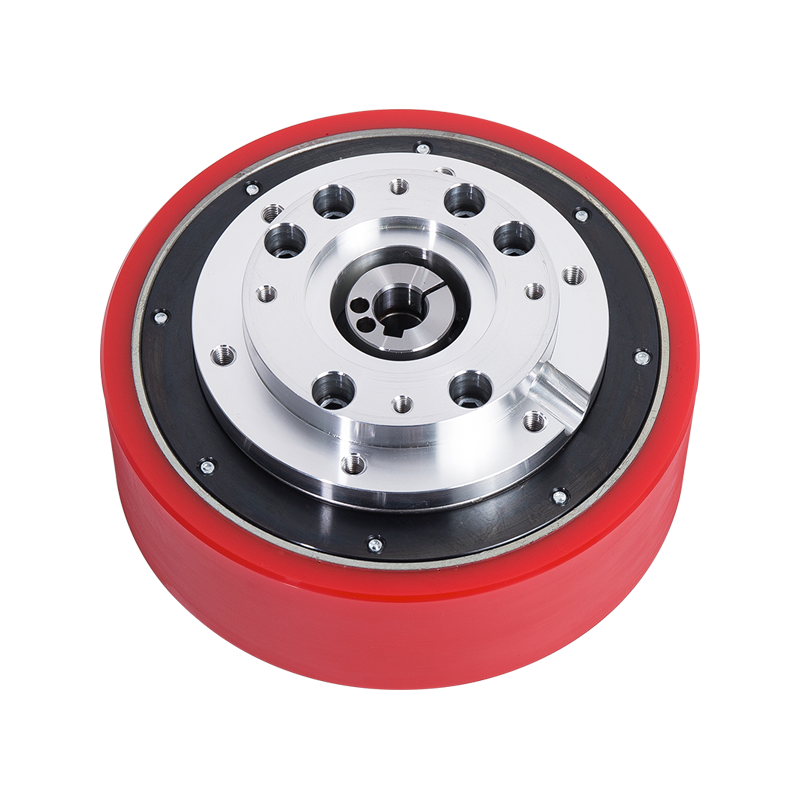
At the heart of the RCIV ring gear output AGV special planetary reducer is a sophisticated design that features a distinctive ring gear output configu...
See Details
High-performance output shaft type planetary reducer, with high rated speed and high dynamic application, adopts lightweight design and high-efficienc...
See Details
MAKIKAWA-MOTION TECHNOLOGY (ZHEJIANG) CO., LTD. @ All rights reserved

Custom High Precision Planetary Gearbox Reducer Manufacturers