

 en
en русский
 Deutsch
 日本語
日本語 Español
 简体中文
简体中文High Precision Precision Planetary Reducer
Cat:MK series planetary reducer
MKS Precision Planetary Reducer and servo motors represent a pinnacle in motion control technology. Their combined strengths — precision engineering, ...
See DetailsContent
A low noise economical star reducer is designed to reduce rotational speed while maintaining stable torque output, with particular attention to minimizing operational noise and controlling costs. It is commonly used in conveyor systems, packaging equipment, light industrial automation, and other applications where smooth transmission and quiet operation are essential. Unlike oversized or premium reducers, this type focuses on practical performance, optimized materials, and simplified structures to meet everyday industrial needs without unnecessary expense.
Noise control in a star reducer is not accidental; it is the result of deliberate structural choices. The star gear arrangement allows load distribution across multiple contact points, reducing localized stress and vibration. Precision machining of gears and proper alignment of shafts further limit resonance during operation. Economical models typically balance material quality with efficient design, ensuring acceptable noise levels without relying on costly damping systems.
An economical star reducer does not aim for extreme precision or ultra-low noise, but rather for a balanced performance suitable for continuous operation. Cost efficiency is achieved through standardized components, simplified assembly, and material choices that meet, rather than exceed, application requirements. This balance allows users to control budgets while still achieving reliable speed reduction and acceptable acoustic performance.
When selecting an economical option, users should expect slightly higher noise levels than premium reducers, limited customization, and moderate efficiency ranges. These trade-offs are usually acceptable in applications where the reducer operates in enclosed machinery or industrial environments rather than noise-sensitive spaces.
Choosing the right low noise economical star reducer requires attention to actual operating conditions. Overspecification increases cost without benefit, while underspecification leads to premature wear or excessive noise. Matching the reducer to the load profile, duty cycle, and installation environment ensures stable and quiet operation over its service life.
| Rated Torque | Must cover peak load without overload |
| Reduction Ratio | Selected based on required output speed |
| Noise Level | Check dB rating under nominal load |
| Mounting Method | Ensure compatibility with existing equipment |
Even a well-designed reducer can become noisy if installed incorrectly. Alignment between motor and reducer shafts is critical to prevent uneven loading. A rigid base minimizes vibration transfer, while proper torque on mounting bolts prevents micro-movements during operation. These practical steps cost little but significantly influence noise performance.
Proper lubrication is essential for maintaining low noise and extending reducer life. Economical star reducers typically use standard industrial lubricants, making maintenance straightforward. Regular inspection of oil condition and seals helps prevent friction-related noise and unexpected downtime.
Low noise economical star reducers are well-suited for light to medium-duty machinery, automated production lines, and general-purpose equipment. They are not intended for extreme precision positioning or ultra-quiet environments such as laboratories. Understanding these boundaries helps users apply them effectively and avoid unrealistic expectations.
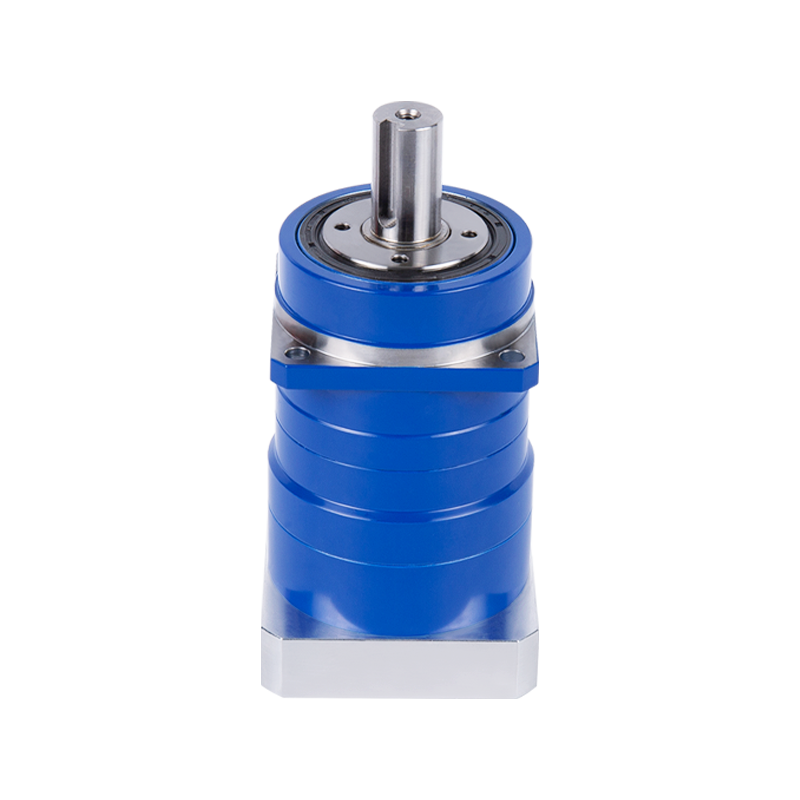
MKS Precision Planetary Reducer and servo motors represent a pinnacle in motion control technology. Their combined strengths — precision engineering, ...
See Details
Industry- product lineupApplicable to: Door drive (planetary, coaxial shaft)MKL Precision Planetary Reducer lies in its multi-size segment selection c...
See Details
Suitable for customers with high output and compact requirementsApplicable to: Crossed roller bearings, for door drive (planetary, orthogonal shaft/ho...
See Details
Suitable for customers with rich needs such as semiconductor manufacturing equipment and machine toolsApplicable to: Tapered roller bearings for door ...
See Details
MKEL Planetary Reducer specifically engineered for the intricate demands of semiconductor fabrication processes integrates into manufacturing equipmen...
See Details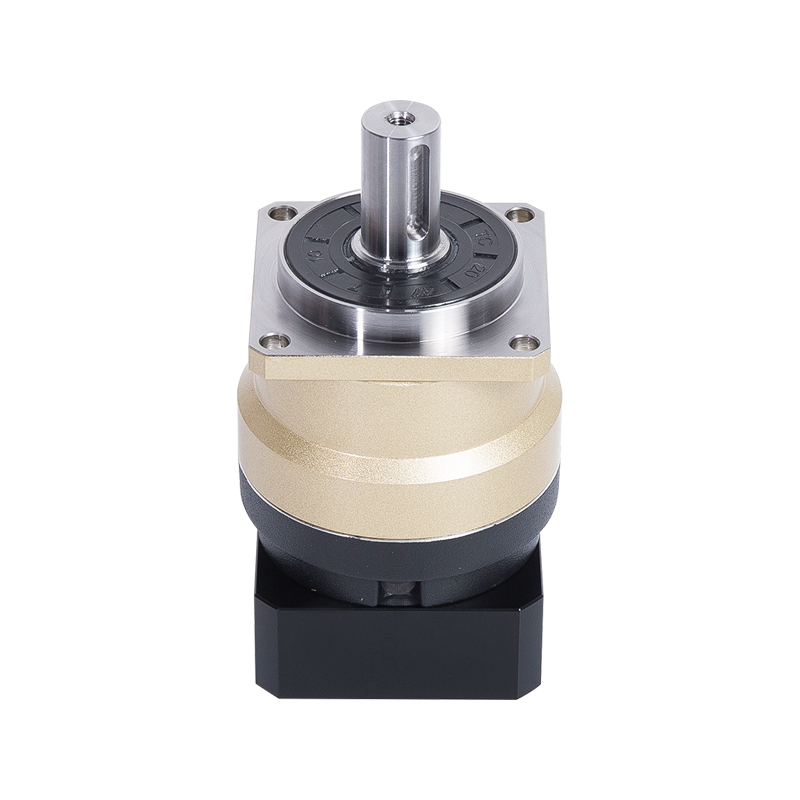
Helical gear design, high bite rate, smooth operation, low noise, low backlash. The sun gear output shaft bearing is designed directly in the arm to e...
See Details
MPEB helical gear design economical star reducer a departure from conventional spur gears. The helical gear design brings a host of advantages, includ...
See Details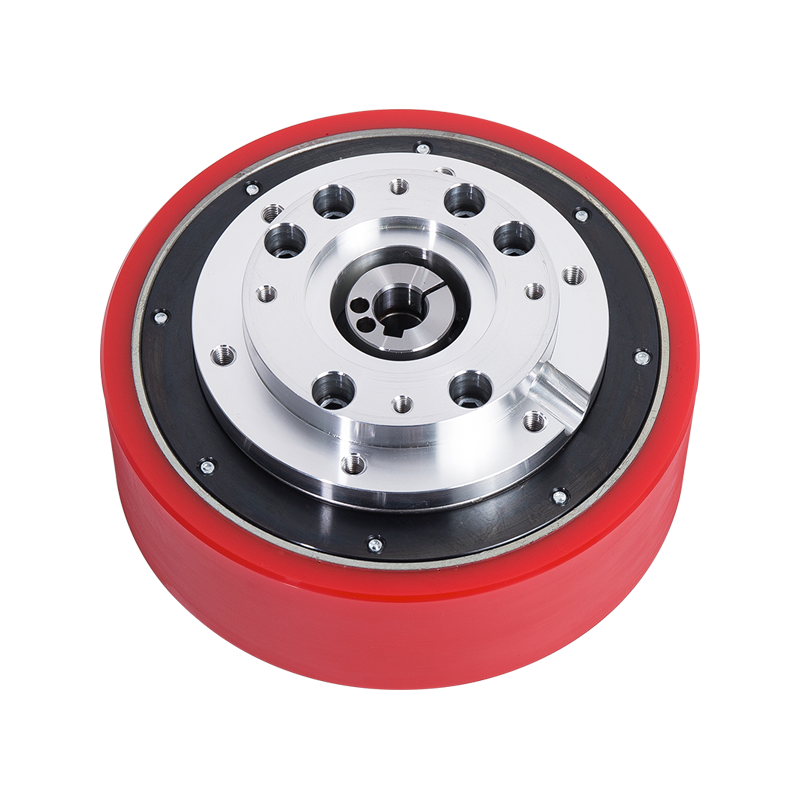
At the heart of the RCIV ring gear output AGV special planetary reducer is a sophisticated design that features a distinctive ring gear output configu...
See Details
High-performance output shaft type planetary reducer, with high rated speed and high dynamic application, adopts lightweight design and high-efficienc...
See Details
The worm bevel double output shaft type planetary reducer uses a combination of worm gear transmission and planetary gear transmission to improve the ...
See Details
MAKIKAWA-MOTION TECHNOLOGY (ZHEJIANG) CO., LTD. @ All rights reserved

Custom High Precision Planetary Gearbox Reducer Manufacturers