
 en
en русский
 Deutsch
 日本語
日本語 Español
 简体中文
简体中文The Acoustic Profile of Economic Planetary Reducers
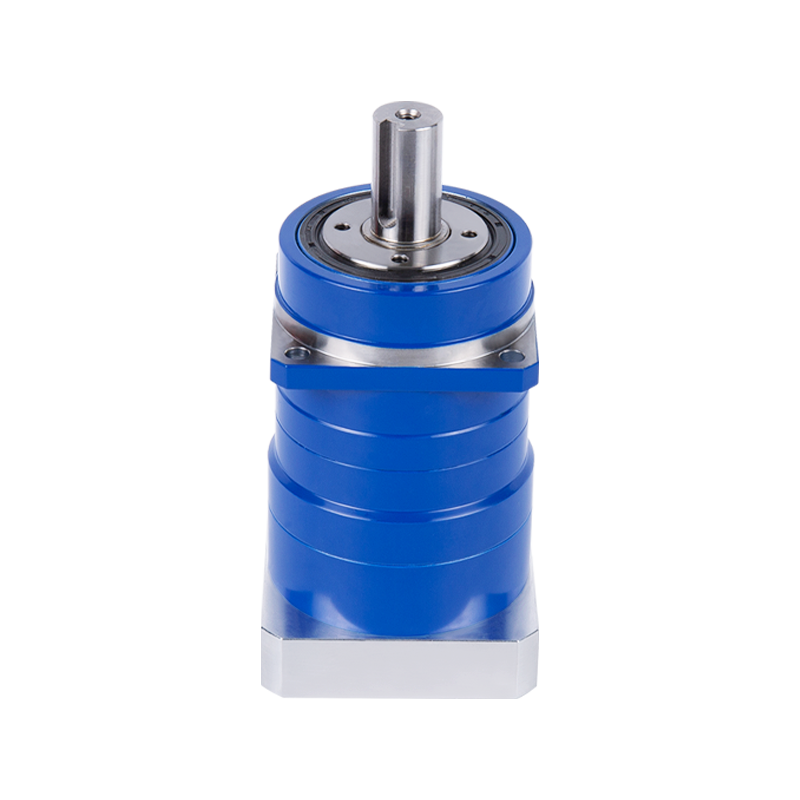
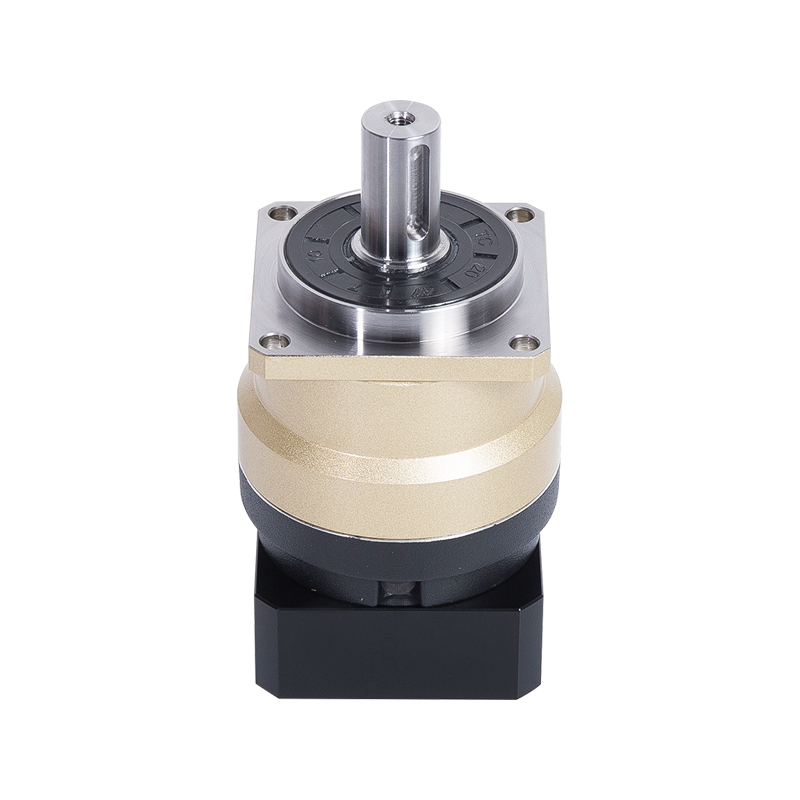
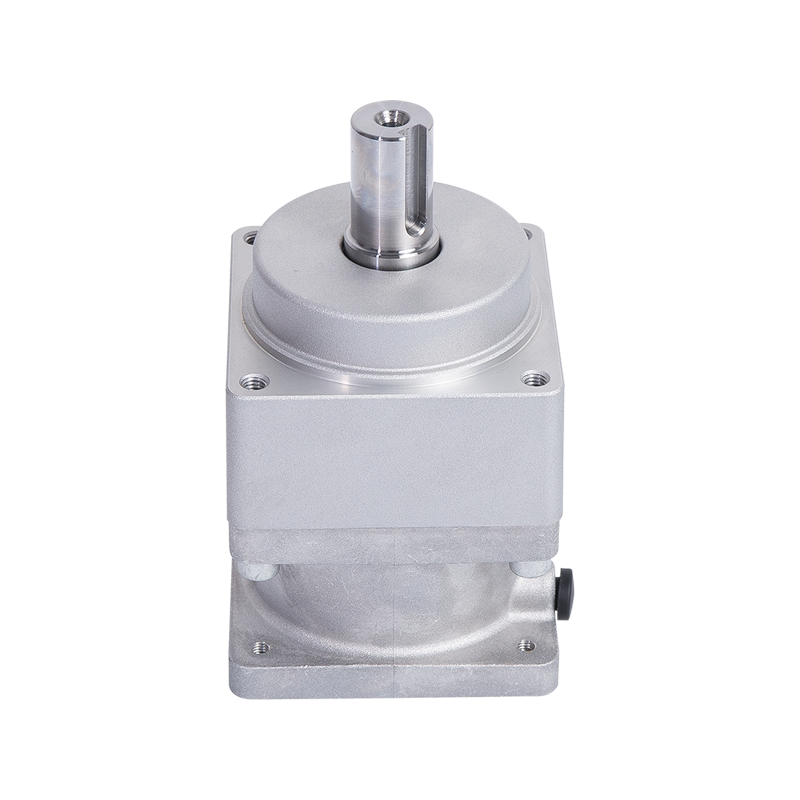
Noise in gear drives is more than an operator comfort issue; it is a key indicator of design quality, manufacturing precision, and potential operational health. For engineers specifying an economic planetary reducer, understanding its noise characteristics relative to other gearbox types is crucial for application success. While inherently quieter than many alternatives, the noise level of an economic planetary model is a direct result of deliberate design trade-offs made to achieve its cost-effective position. This article dissects the comparative acoustics, root causes, and application considerations.
Inherent Noise Advantages of the Planetary Architecture
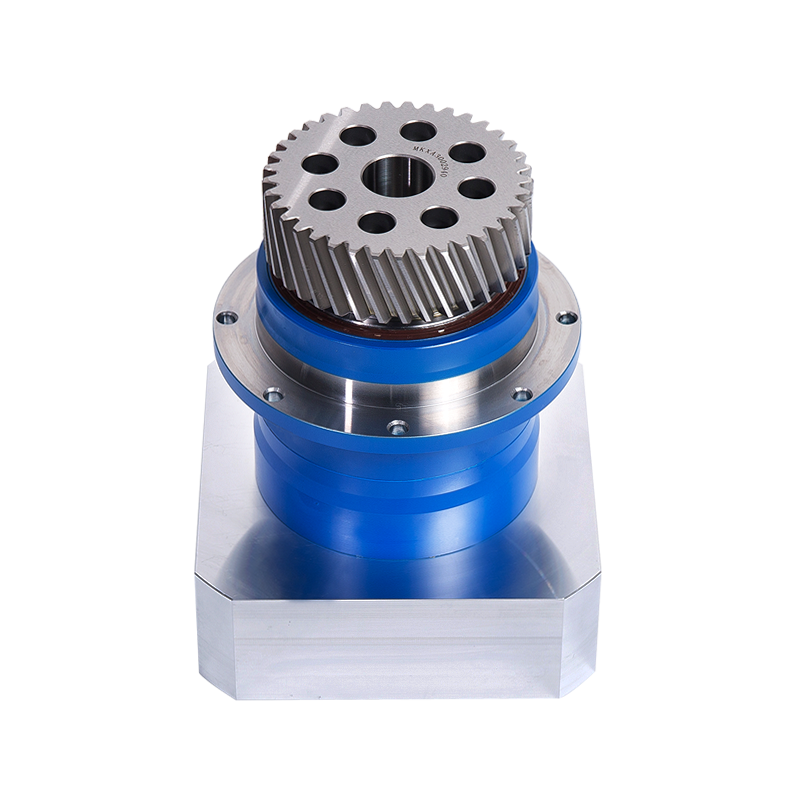
The fundamental design of a planetary gearset offers natural acoustic benefits. Multiple planet gears share the load simultaneously within a ring gear. This load distribution leads to smaller individual gear forces, reduced tooth deflection, and smoother power transfer compared to a single gear pair handling the full load. The symmetrical arrangement also promotes better force cancellation, minimizing vibrations that are a primary source of noise. Furthermore, the coaxial design confines the gear mesh within a rigid, often well-lubricated ring gear housing, acting as a natural sound dampener. This gives even an economic planetary reducer a structural advantage in noise generation over many parallel-shaft designs from the outset.
Direct Comparison with Other Reducer Types
To evaluate noise effectively, a direct comparison is essential. The table below summarizes typical acoustic performance in comparable size and torque classes under standard industrial operating conditions.
| Reducer Type | Typical Noise Characteristic | Primary Noise Sources | Relative Noise Level vs. Economic Planetary |
| Economic Planetary Reducer | Moderate hum or whine. Consistent pitch. | Gear mesh error, bearing rumble, slight imbalance. | Baseline (Moderate) |
| Standard Helical Gear Reducer (Parallel Shaft) | Louder whine, potential growl under load. | Single, high-force gear mesh, shaft deflection, housing resonance. | Higher |
| Worm Gear Reducer | Distinct sliding/scratching sound, especially at higher ratios. | Sliding friction between worm and wheel, heat generation. | Similar to Higher (depends on speed) |
| Precision Planetary Reducer | Very low, smooth hum. Often inaudible over ambient machine noise. | Minimal gear mesh error, precision bearings. | Significantly Lower |
| Cycloidal or Harmonic Drive Reducer | Quiet, but may have a unique high-frequency component. | Compliant element movement, bearing noise in cycloidal. | Lower to Similar |
Why Economic Models are Louder than Precision Planetaries
The term "economic" directly points to the compromises affecting noise. Key factors include:
Gear Manufacturing Tolerances
To control costs, economic reducers utilize gears machined to wider tolerances. Greater profile error, pitch error, and lead error mean the teeth do not mesh as perfectly, causing impulsive vibrations and tonal noise at the gear mesh frequency and its harmonics.
Bearing Selection
These reducers often employ standard, rather than high-precision, bearings. Increased bearing clearance and runout introduce low-frequency rumble and vibration that transmits through the housing.
Assembly and Lubrication
Less time-intensive assembly processes can affect gear alignment. Furthermore, the type, quantity, and maintenance schedule of lubricant—a critical noise dampener—can be optimized for cost and longevity over acoustic performance.

Key Noise Contributors in Operation
Beyond the base design, operational factors significantly impact the perceived noise level of an economic planetary reducer:
- Input Speed: Noise increases disproportionately with input RPM. The primary gear mesh frequency (Input RPM * Number of Planet Gears / 60) rises, emitting a higher-pitched whine.
- Load Level: Under-torquing or over-torquing the reducer exacerbates poor gear contact patterns, leading to increased rattling or growling noises compared to its designed optimal load point.
- Mounting and Alignment: A poorly mounted reducer, with a misaligned motor or a warred baseplate, induces external strains and vibrations, amplifying inherent noise.
- Lubrication State: Incorrect lubricant type, insufficient level, or degraded (old) lubricant loses its damping and protective properties, leading to a sharp increase in gear and bearing noise.
Practical Mitigation Strategies for Noise Reduction
When the noise from an economic planetary reducer is a concern for a specific application, several practical steps can be taken:
- Proper Sizing and Application: Ensure the reducer is sized correctly for the average, not just peak, load. Avoid extremely low or high load percentages of its rated torque.
- Rigid Mounting: Mount the reducer on a stiff, machined surface using the recommended bolt torque sequence and grade. Use dowel pins for precise location if available.
- Auxiliary Measures: Install flexible couplings to isolate motor vibration. Consider adding an acoustic enclosure or damping material to the machine frame near the reducer, ensuring ventilation for heat dissipation is not blocked.
- Proactive Maintenance: Adhere strictly to the manufacturer's lubrication schedule. Use the exact recommended grease or oil type and quantity. Monitor for changes in noise signature, as it is a primary indicator of wear or misalignment.
Conclusion: A Balanced Acoustic Expectation
An economic planetary reducer will typically generate more noise than its precision counterpart but less than many standard parallel-shaft or worm gear alternatives. Its acoustic performance is a direct reflection of the balance between cost, performance, and longevity. By understanding the sources of its noise—from manufacturing compromises to operational stresses—designers and maintenance personnel can make informed selection decisions and implement effective mitigation strategies. The goal is not to achieve silent operation, but to ensure the noise level is predictable, stable, and appropriate for the industrial environment, thereby guaranteeing reliable service without unnecessary acoustic nuisance.