

 en
en русский
 Deutsch
 日本語
日本語 Español
 简体中文
简体中文Door Driving Precision Planetary Reducer
Cat:MK series planetary reducer
Industry-product lineupApplicable to: Door drive (planetary, coaxial shaft)MKB Precision Planetary Reducer is a cutting-edge mechanical device designe...
See DetailsContent
A robot arm that misses its target by 0.3 mm. A CNC axis that overshoots on reversal. A laser cutter whose seam drifts after two hours of continuous run. In each of these cases, the root cause is almost always the same: the wrong reducer — or a correctly chosen one with the wrong specs. Selecting a high precision planetary reducer is not complicated, but it demands that you look at a handful of numbers before you look at anything else.
Planetary gear reducers distribute load across multiple planet gears simultaneously. This isn't just elegant engineering — it has direct, measurable consequences. Efficiency per stage typically sits between 95 % and 98 %, compared to 60–70 % for a worm drive at the same ratio. Torque density (output torque per unit of volume) is higher than any conventional parallel-shaft design, which means you can fit more torque into a smaller housing without adding mass to your moving axis.
For servo-driven systems in particular, the compact coaxial layout simplifies machine design. The input and output share the same centerline, cutting cable routing headaches and keeping the moment arm short. These structural advantages explain why planetary reducers have become the default choice for high precision gear reducer applications in robotics, semiconductor handling, and precision CNC.
Backlash is the angular free-play of the output shaft when the input is held fixed. It is the single number that most directly limits your system's positioning accuracy. For general industrial automation, backlash in the 5–10 arc-minute range may be acceptable. For robot joints, CNC axes, and laser cutting heads, you need ≤ 3 arc-minutes — the specification delivered by MKS-series high precision planetary reducers, which achieve this through precision-ground gears and tapered roller bearing output stages.
Ratio selection is a two-part calculation. First, determine the output speed your application requires from the motor's rated speed. Second, multiply the motor's rated torque by the ratio and confirm the result falls below the reducer's rated output torque. Single-stage planetary units cover ratios of roughly 3:1 to 10:1; two-stage designs extend this to 100:1 or beyond. The MKS series, for example, offers ratios from 3:1 to 100:1, covering the vast majority of servo applications in a single product family.
Rated output torque is the continuous torque the gearbox can handle at rated speed without degrading its service life. Always verify peak torque separately — acceleration and emergency-stop events can generate two to three times continuous torque. Equally important are radial and axial load ratings, which tell you how much side force and thrust the output bearing can sustain. The MKS series, for instance, handles radial loads from 1,700 N up to 30,000 N and axial loads from 2,300 N to 27,000 N depending on frame size, with frame sizes ranging from 060 to 180 and output torques spanning 18–2,400 Nm.
The output bearing determines rigidity and load capacity far more than people expect. Ball bearings are adequate for light radial loads and high-speed applications. Tapered roller bearings — used in MKS precision models — handle combined radial and axial loads simultaneously, making them the correct choice wherever the output shaft experiences cantilever forces, as in a robot arm end-effector or a direct-drive rotary table.
Not every application needs the tightest backlash or the heaviest output bearing, and over-specifying is as costly as under-specifying. Here is a practical way to think about product family selection:
| Application Priority | Recommended Series | Key Strength |
|---|---|---|
| Highest precision, servo motors | MK Series (MKS / MKT / MKL) | ≤ 3 arc-min backlash, tapered roller bearing, zero oil leakage |
| Cost-effective general automation | MP Series (MPB / MPEB) | Helical gear design, low noise, competitive price point |
| AGV wheels and mobile robot drives | RC Series (RCIV ring-gear output) | Ring-gear output integrates directly into wheel hub |
| Right-angle layouts, hollow shaft | MKAT / MPAT Series | Spiral bevel gear input, hollow or solid shaft output options |
MKS units are compatible with any servo motor brand worldwide thanks to an AD flange-and-sleeve adapter system. Internal oil seals eliminate leakage entirely, a critical requirement for food processing, pharmaceutical, and semiconductor environments. For applications where right-angle torque transmission is unavoidable, the MKAT hollow-shaft series routes cables or pneumatic lines straight through the center of the reducer — a significant advantage in multi-axis robots.
Before requesting a quote or downloading a catalog, answer these six questions:
With those answers in hand, the correct frame size and series become straightforward to identify. For a deeper walkthrough of specification parameters and series comparison, the planetary gear reducer selection guide covering specs, series, and precision covers edge cases including multistage combinations and custom ratio requests.
The right planetary reducer does more than reduce speed. It defines the accuracy ceiling of your entire motion system. Choosing with the correct specs from the start eliminates the rework, the recalibration, and the unplanned downtime that come from a mismatch between the gearbox and the job it is asked to do.
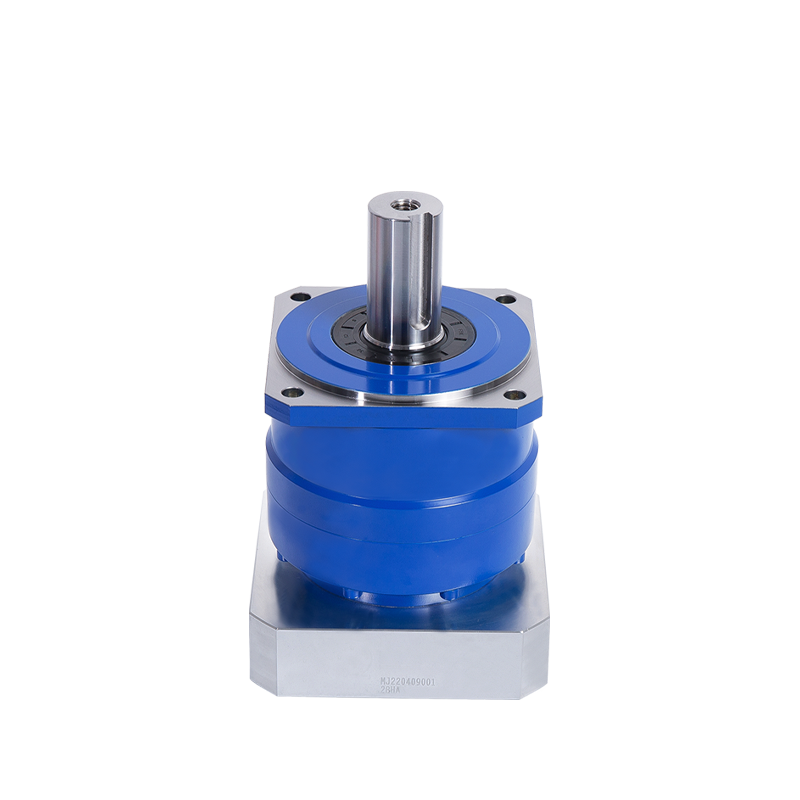
Industry-product lineupApplicable to: Door drive (planetary, coaxial shaft)MKB Precision Planetary Reducer is a cutting-edge mechanical device designe...
See Details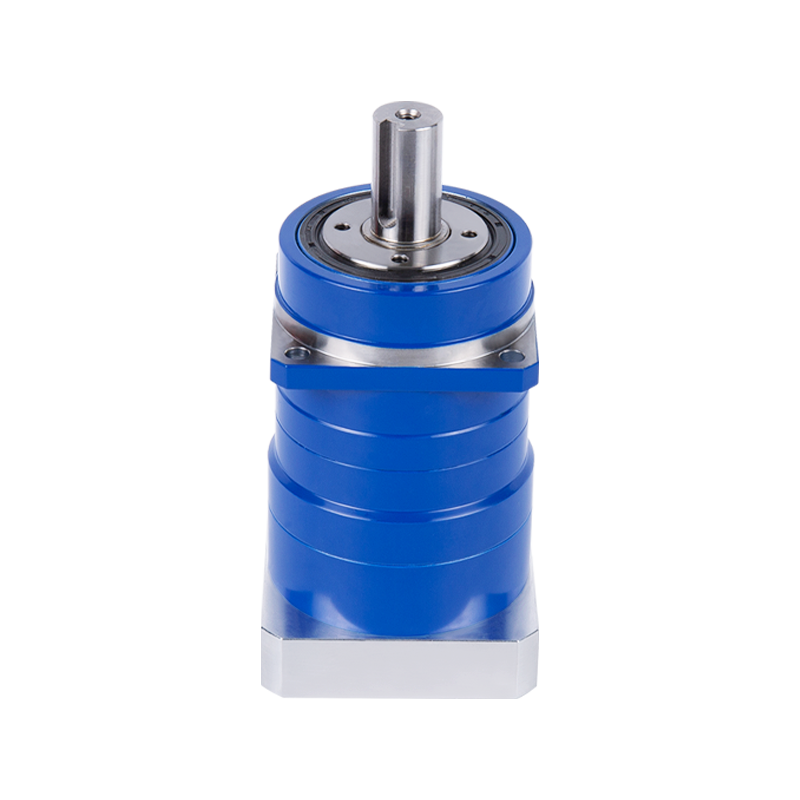
MKS Precision Planetary Reducer and servo motors represent a pinnacle in motion control technology. Their combined strengths — precision engineering, ...
See Details
Ball bearings, orthogonal axis, more flexible installationMKEB Planetary Reducer stands as a testament to advancements in planetary gear technology, f...
See Details
Suitable for customers with high output and compact requirementsApplicable to: Crossed roller bearings, for door drive (planetary, orthogonal shaft/ho...
See Details
Suitable for customers with rich needs such as semiconductor manufacturing equipment and machine toolsApplicable to: Tapered roller bearings for door ...
See Details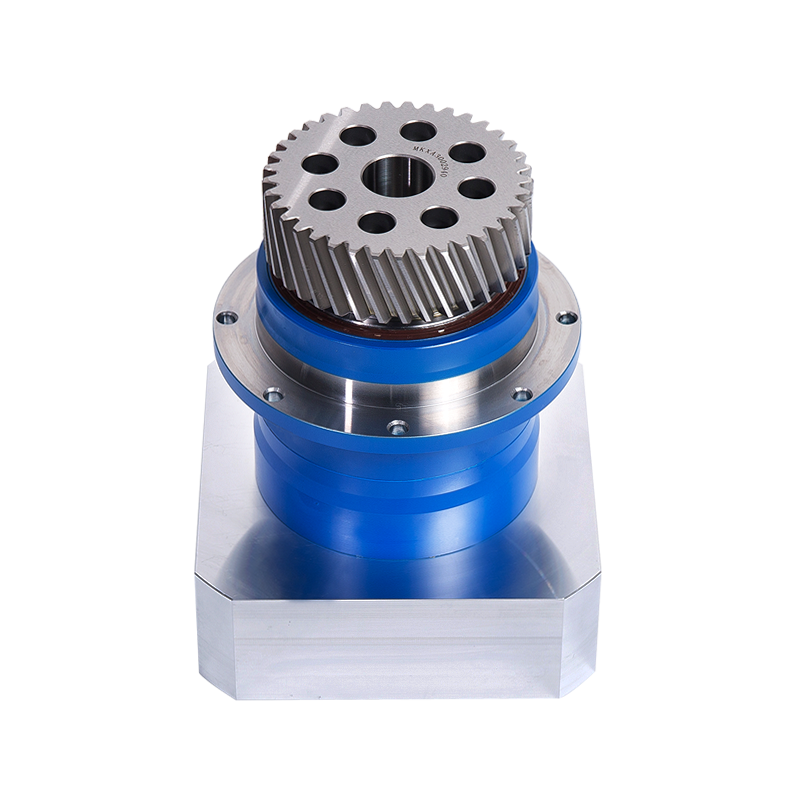
Laser-cutting equipment often operates in confined spaces, requiring motion control systems that can seamlessly integrate without compromising efficie...
See Details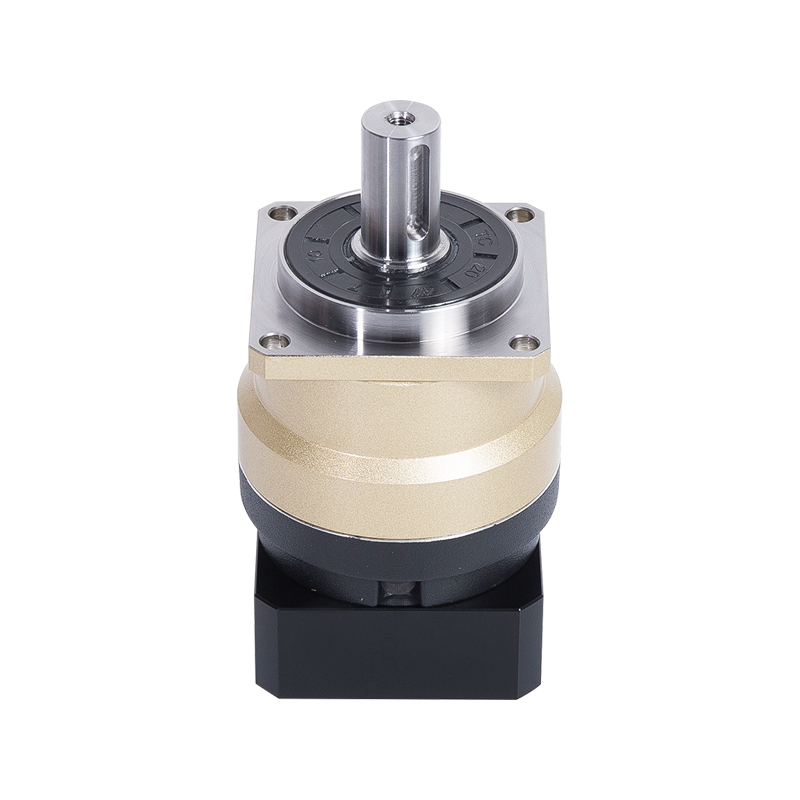
Helical gear design, high bite rate, smooth operation, low noise, low backlash. The sun gear output shaft bearing is designed directly in the arm to e...
See Details
MPEB helical gear design economical star reducer a departure from conventional spur gears. The helical gear design brings a host of advantages, includ...
See Details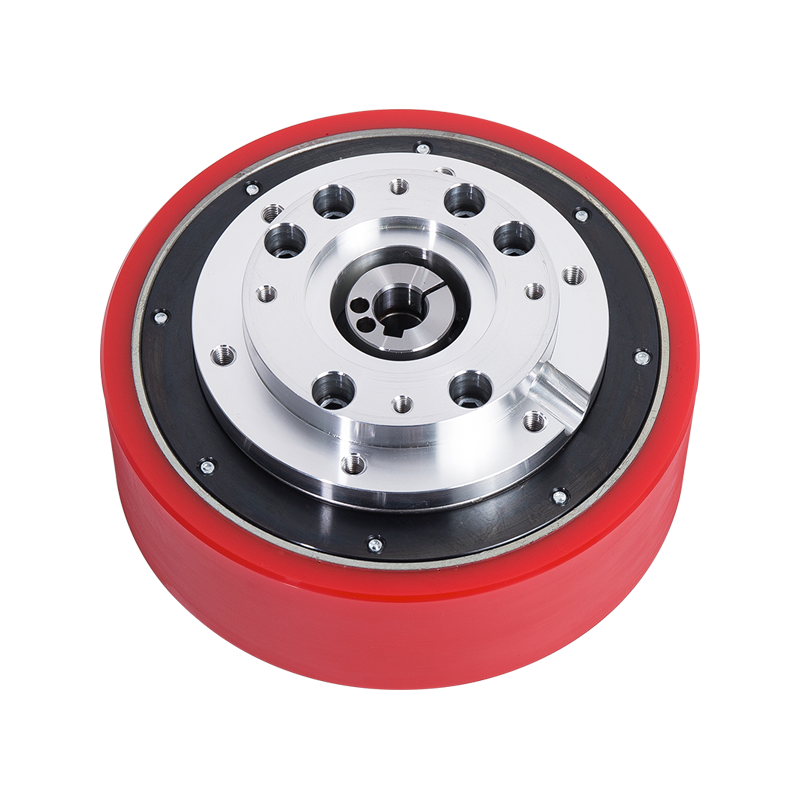
At the heart of the RCIV ring gear output AGV special planetary reducer is a sophisticated design that features a distinctive ring gear output configu...
See Details
The worm bevel double output shaft type planetary reducer uses a combination of worm gear transmission and planetary gear transmission to improve the ...
See Details
MAKIKAWA-MOTION TECHNOLOGY (ZHEJIANG) CO., LTD. @ All rights reserved

Custom High Precision Planetary Gearbox Reducer Manufacturers