

 en
en русский
 Deutsch
 日本語
日本語 Español
 简体中文
简体中文Door Driving Precision Planetary Reducer
Cat:MK series planetary reducer
Industry-product lineupApplicable to: Door drive (planetary, coaxial shaft)MKB Precision Planetary Reducer is a cutting-edge mechanical device designe...
See DetailsContent
A servo motor running at 3,000 RPM delivers almost no usable torque to a robotic joint or CNC axis at that speed. The gearbox reducer solves this in one step: it converts high-speed, low-torque output into the slow, high-torque rotation that real-world loads demand. Without it, you'd need a physically larger—and far more expensive—motor to move the same load.
The math is straightforward. A 10:1 ratio reducer multiplies output torque by roughly 10 (minus efficiency losses) while dividing shaft speed by the same factor. For motion control applications where positioning accuracy is measured in arc-minutes, that speed reduction is not just about torque—it directly determines how finely the controller can resolve position.
Precision amplification. Speed reduction converts one motor encoder count into a smaller angular increment at the output. A reducer with 3 arc-min backlash, like the MKT series precision planetary reducer designed for servo motor pairing, allows CNC machines, semiconductor handlers, and laser cutters to hold positional tolerances that a direct-drive motor cannot achieve at equivalent frame size.
Torque multiplication. Higher torque through the gearbox means the servo motor can remain compact. A smaller motor running at its rated speed is more thermally efficient and responds faster to velocity commands than an oversized motor running at partial load. The MK series planetary reducers cover output torque from 27 Nm up to 180 Nm, accommodating everything from lightweight SCARA arms to heavy gantry axes.
Inertia matching. A gearbox reduces the load inertia reflected back to the motor by the square of the gear ratio. At a 5:1 ratio, reflected inertia drops by a factor of 25. This dramatically improves dynamic response and reduces settling time—critical in high-cycle packaging and printing applications.
| Parameter | Typical Range | Why It Matters |
|---|---|---|
| Backlash | 1–10 arc-min | Directly limits positioning repeatability |
| Gear Ratio | 4:1 – 100:1 | Sets torque multiplication and speed range |
| Rated Output Torque | 27 – 180 Nm (MKT) | Must exceed peak load torque with safety margin |
| Radial Load Capacity | 370 – 8,500 N | Determines bearing life under cantilever forces |
| Frame Size | 064 / 090 / 110 / 140 / 200 / 255 | Must align with motor flange and machine envelope |
Backlash is the specification most buyers focus on—and rightly so. For applications like robotic welding or semiconductor pick-and-place, anything above 5 arc-min will appear as repeatable position error. For conveyor drives or general material handling, 10 arc-min is perfectly acceptable and allows a more economical choice.
Not every servo application needs the same gearbox architecture. Inline planetary reducers are the standard choice for coaxial shaft layouts—compact, high-efficiency, and compatible with virtually any servo motor flange via an AD adapter sleeve. Right-angle configurations using spiral bevel gear hollow-type reducers are preferred when the output shaft must be perpendicular to the motor—common in gantry systems and rotary tables.
For AGV and mobile robot applications, the ring gear output design used in AGV-specific planetary reducers offers a hub-integrated output that eliminates external shafting, reducing the overall drive unit footprint and simplifying wheel assembly.
Budget-constrained projects with moderate precision requirements can use an economical star reducer with helical gear design. The MPB series low-noise economical star reducer delivers low backlash at a reduced cost by optimizing the gear geometry rather than the bearing spec—a sound tradeoff for food processing or light packaging lines.
Laser cutting machines demand both high traversal speed and sub-millimeter path accuracy. A planetary reducer engineered specifically for laser cutting equipment handles the torsional reversals during direction changes without introducing backlash-induced path deviation. The same logic applies to CNC machining centers, where axis overshoot degrades surface finish and tool life.
In semiconductor fabrication, the stakes are higher. Wafer handlers and die-bonding equipment operate at micron-level tolerances in cleanroom environments, which means zero oil leakage and sustained precision over millions of cycles. Selecting a reducer with sealed bearings, internal oil seals, and verified backlash documentation—not just a nominal spec—is non-negotiable in these environments.
The motor with reduction gearbox combination is now standard across new energy battery production lines, photovoltaic equipment, and medical device manufacturing. In each case, the gearbox is not an add-on—it is the component that makes the servo motor useful.
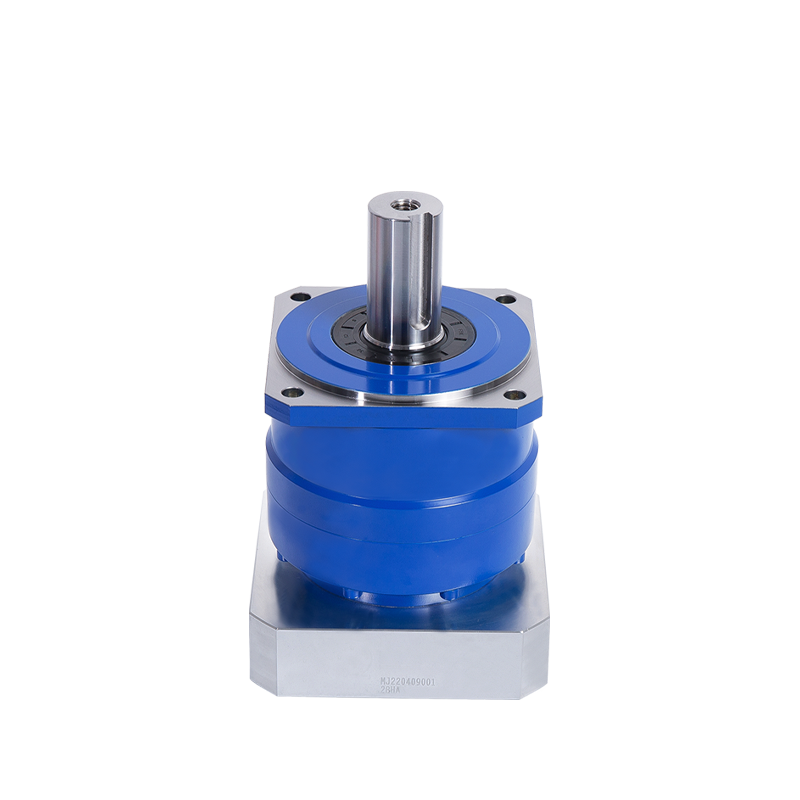
Industry-product lineupApplicable to: Door drive (planetary, coaxial shaft)MKB Precision Planetary Reducer is a cutting-edge mechanical device designe...
See Details
Industry- product lineupApplicable to: Door drive (planetary, coaxial shaft)MKL Precision Planetary Reducer lies in its multi-size segment selection c...
See Details
Meet the needs of customers with high-precision requirements for semiconductor devices, machine tools, etc.MKG reducer meets the various needs of cust...
See Details
Suitable for customers with rich needs such as semiconductor manufacturing equipment and machine toolsApplicable to: Tapered roller bearings for door ...
See Details
MKEL Planetary Reducer specifically engineered for the intricate demands of semiconductor fabrication processes integrates into manufacturing equipmen...
See Details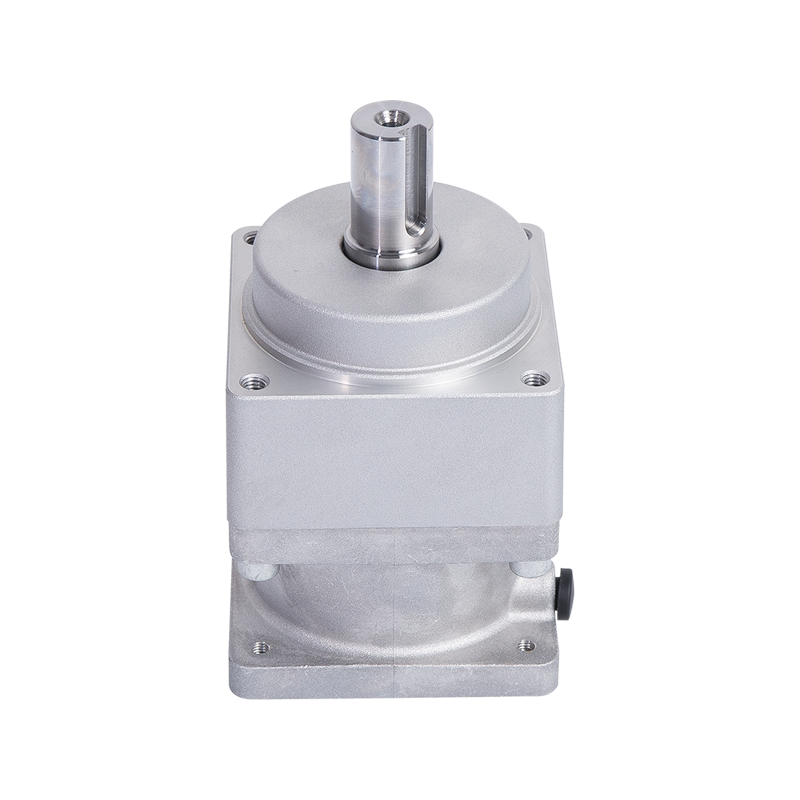
This MKGC-5C-400 high torque durable economical star reducer is designed for stable, cost-effective power transmission in general industrial and heavy...
See Details
MPEB helical gear design economical star reducer a departure from conventional spur gears. The helical gear design brings a host of advantages, includ...
See Details
High-performance output shaft type planetary reducer, with high rated speed and high dynamic application, adopts lightweight design and high-efficienc...
See Details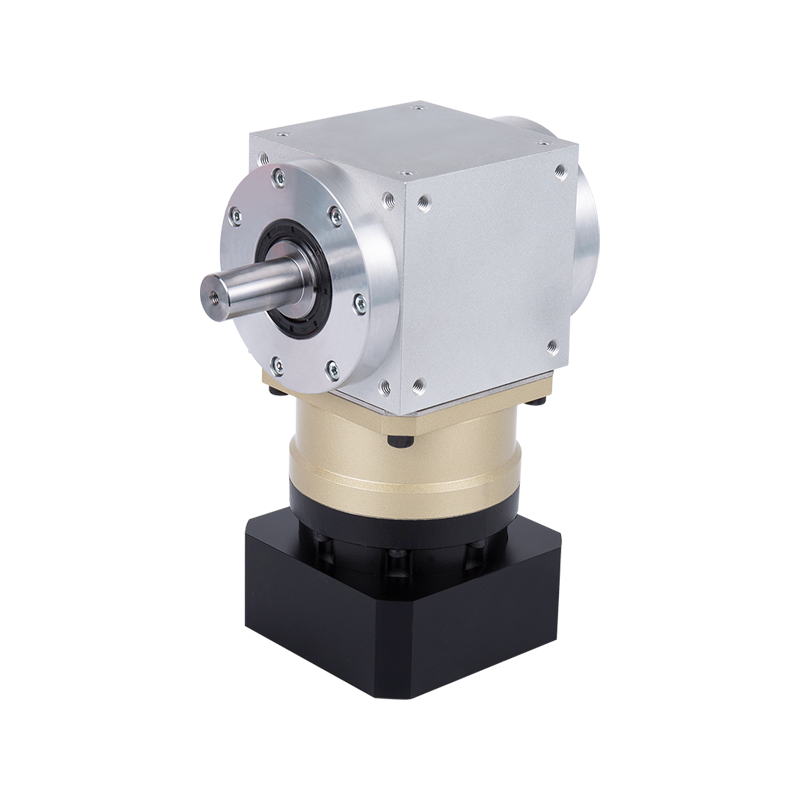
The planetary reducer adopts a planetary gear transmission structure, which has high transmission efficiency, and the single solid shaft design can re...
See Details
The worm bevel double output shaft type planetary reducer uses a combination of worm gear transmission and planetary gear transmission to improve the ...
See Details
MAKIKAWA-MOTION TECHNOLOGY (ZHEJIANG) CO., LTD. @ All rights reserved

Custom High Precision Planetary Gearbox Reducer Manufacturers