

 en
en русский
 Deutsch
 日本語
日本語 Español
 简体中文
简体中文Servo Motor MKT Precision Planetary Reducer
Cat:MK series planetary reducer
Meet the needs of customers with high precision requirements for semiconductor devices, automation equipment, machine tools, etc.Applicable to: Door d...
See DetailsContent
A robot arm that drifts 0.3 mm off target. A CNC axis that overshoots on reversal. A laser cutter that loses path integrity at high feed rates. In every case, the root cause is often the same: the wrong planetary gear reducer — or a precision reducer chosen without understanding what the specs actually mean.
This guide cuts through the noise. If you're selecting a planetary gear reducer for servo-driven or high-cycle automation, here's what you need to know.
A planetary gear reducer arranges a central sun gear, multiple orbiting planet gears, and a fixed outer ring gear in a concentric layout. Because torque is split across three or more planet gears simultaneously, load is distributed evenly at 360°. The result: a dramatically higher torque-to-size ratio than parallel-shaft or worm reducers of comparable weight.
Practical outcome: a single-stage planetary can deliver the same torque output in up to 50% less footprint. For multi-axis machines where every millimeter counts, that matters. Efficiency per stage typically runs 95–98%, meaning less heat, lower energy bills, and longer lubricant life.
Engineers often fixate on gear ratio and torque rating — those are table stakes. The three figures that separate a high precision planetary reducer from a commodity unit are:
Not every application needs a 3 arc-min, crossed-roller-bearing precision unit. Over-specifying costs money; under-specifying costs uptime. Here's a practical breakdown:
| Application | Key Requirement | Recommended Approach |
|---|---|---|
| SCARA / articulated robots | Low backlash, high cycle rate | High-precision series (e.g., MKS): 3 arc-min, tapered roller bearings, ratio 3:1–100:1 |
| Laser cutting / CNC axes | Path accuracy, low vibration | Precision series with servo flange; laser cutting-optimized planetary reducers with matched pinion output |
| Semiconductor / medical devices | No lubrication leakage, ultra-clean | Semiconductor-grade planetary reducers with sealed internal oil system |
| AGV / mobile robots | Compact, bidirectional, shock load | AGV-specific ring gear output reducers designed for direct wheel integration |
| Packaging / conveyor | Cost-efficiency, low noise | Economical series (e.g., MPB): helical gears, low backlash, quieter operation at lower cost |
A common mistake is chasing the highest available ratio to "make the motor safer." Higher ratios do multiply torque, but they also increase reflected inertia mismatch — the ratio between load inertia and motor rotor inertia. Mismatched inertia leads to oscillation, reduced bandwidth, and sluggish servo response.
Single-stage planetary units typically offer ratios from 3:1 to 10:1 with the best efficiency and rigidity. Multi-stage configurations extend to 100:1 and beyond, but introduce additional backlash accumulation and inertia. The practical design target: select the lowest ratio that still keeps peak torque within 80% of the reducer's rated output, and verify that the load-to-motor inertia ratio stays below 10:1 for servo systems.
Robot and automation manufacturers often reference ISO 9283 — the international standard for manipulating industrial robot performance criteria, which defines how pose accuracy and repeatability must be measured. Backlash in the reducer is a primary contributor to the pose error metrics defined in that standard.
For a robot axis to achieve sub-0.1 mm positioning repeatability, the combined backlash of drive train components — including the reducer — typically needs to stay at or below 3 arc-min. At a 300 mm arm length, 1 arc-min of backlash contributes roughly 0.087 mm of tip error. This is why even minor improvements in reducer precision translate directly into measurable robot performance gains.
A high-precision reducer paired with a misaligned motor shaft loses most of its advantage within the first 500 hours. Three installation points matter most:
Backlash specs are easy to print in a datasheet. Consistent manufacturing quality is harder to verify. When evaluating a planetary reducer supplier, ask: (1) What bearing type is used on the output — and why? Tapered roller bearings handle combined radial and axial loads better than deep-groove ball bearings for most servo applications. (2) Is the ring gear integral to the housing, or a press-fit insert? An integral ring gear improves concentricity and eliminates micro-slippage under shock loads. (3) Are the gears ground after case-hardening, or just hobbed? Ground gears hold tighter tooth spacing tolerances and produce lower noise. (4) What input flange options are available? Broad motor compatibility — including AD-flange and sleeve adapters — reduces integration time significantly.
MAKIKAWA-MOTION, with its roots in Kyushu Precision Technology Industry (Japan), answers these with Japanese-standard JIS materials, μ-level machining precision, and a full planetary reducer product range spanning precision MK-series to economical MP-series and AGV-specific RC-series — with universal motor compatibility and sealed oil systems standard across the precision line.
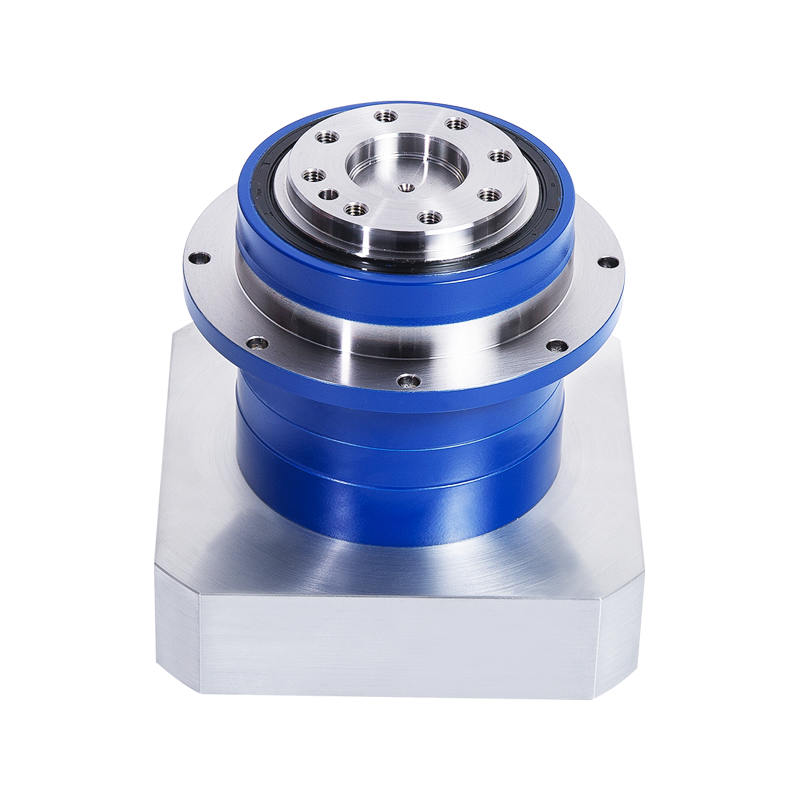
Meet the needs of customers with high precision requirements for semiconductor devices, automation equipment, machine tools, etc.Applicable to: Door d...
See Details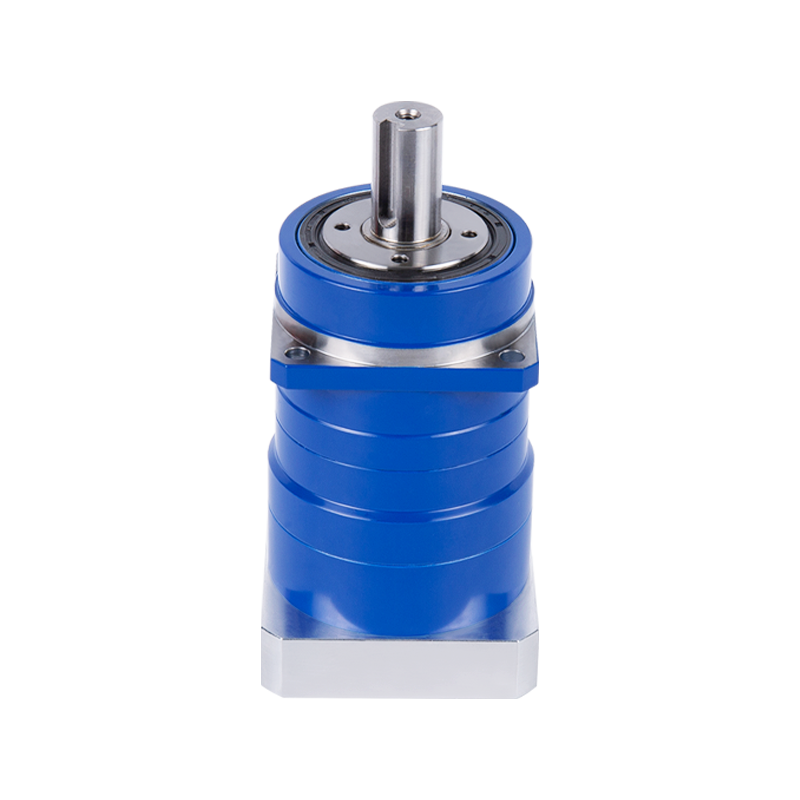
MKS Precision Planetary Reducer and servo motors represent a pinnacle in motion control technology. Their combined strengths — precision engineering, ...
See Details
Suitable for customers with high output and compact requirementsApplicable to: Crossed roller bearings, for door drive (planetary, orthogonal shaft/ho...
See Details
Suitable for customers with rich needs such as semiconductor manufacturing equipment and machine toolsApplicable to: Tapered roller bearings for door ...
See Details
MKEL Planetary Reducer specifically engineered for the intricate demands of semiconductor fabrication processes integrates into manufacturing equipmen...
See Details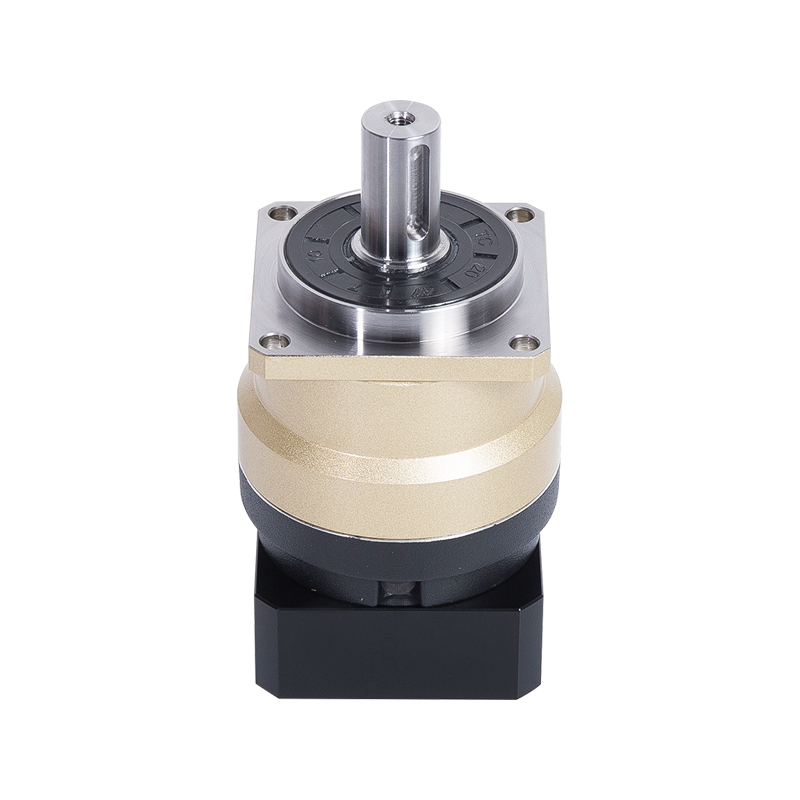
Helical gear design, high bite rate, smooth operation, low noise, low backlash. The sun gear output shaft bearing is designed directly in the arm to e...
See Details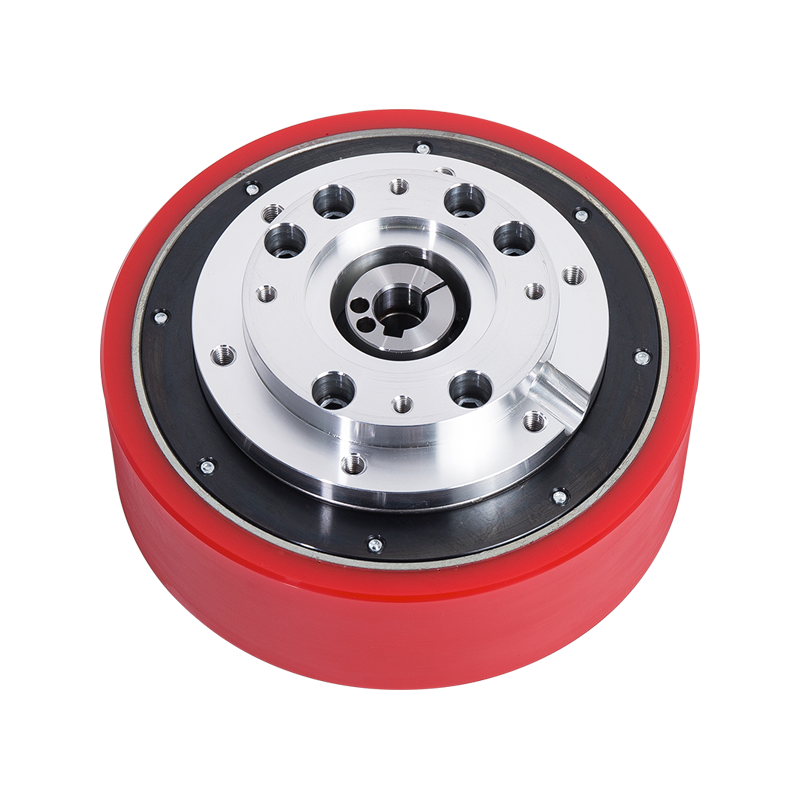
At the heart of the RCIV ring gear output AGV special planetary reducer is a sophisticated design that features a distinctive ring gear output configu...
See Details
High-performance output shaft type planetary reducer, with high rated speed and high dynamic application, adopts lightweight design and high-efficienc...
See Details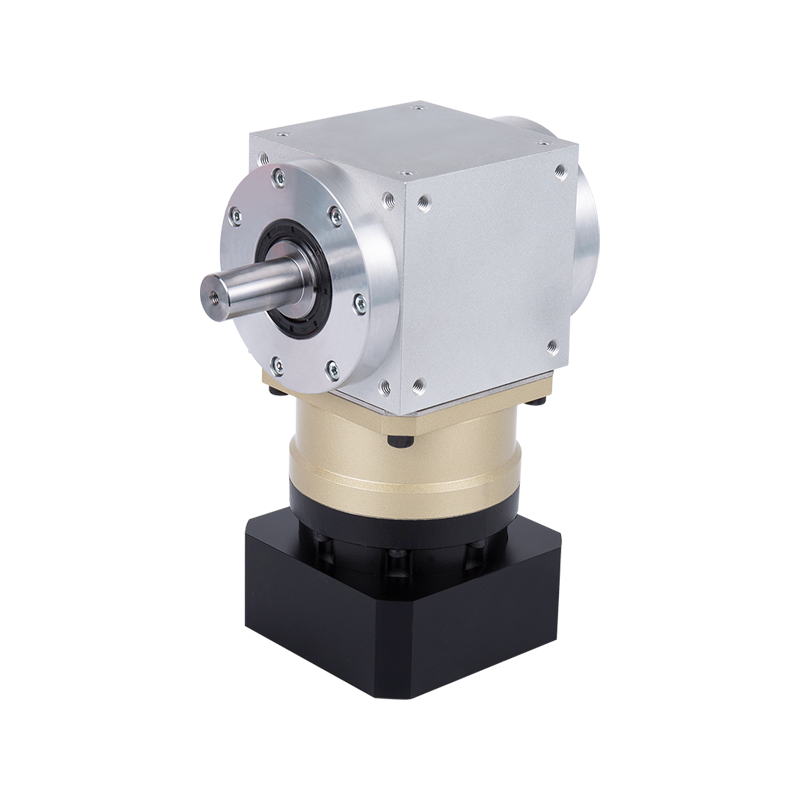
The planetary reducer adopts a planetary gear transmission structure, which has high transmission efficiency, and the single solid shaft design can re...
See Details
The worm bevel double output shaft type planetary reducer uses a combination of worm gear transmission and planetary gear transmission to improve the ...
See Details
MAKIKAWA-MOTION TECHNOLOGY (ZHEJIANG) CO., LTD. @ All rights reserved

Custom High Precision Planetary Gearbox Reducer Manufacturers