

 en
en русский
 Deutsch
 日本語
日本語 Español
 简体中文
简体中文Door Driving Precision Planetary Reducer
Cat:MK series planetary reducer
Industry-product lineupApplicable to: Door drive (planetary, coaxial shaft)MKB Precision Planetary Reducer is a cutting-edge mechanical device designe...
See DetailsContent
A robot arm that drifts 0.3 mm off target. A CNC axis that overshoots on reversal. A semiconductor handler that fails inspection after 10,000 cycles. In every case, the root cause is often not the motor—it's the reducer feeding it. Choosing a high precision planetary reducer means understanding three hard numbers before you look at any catalog.
Backlash is the rotational play between input and output when you reverse direction. Standard reducers run 5–15 arc-minutes. Low-backlash models target 1–3 arc-minutes. Ultra-precision units push below 1 arc-minute. For context, 1 arc-minute equals 1/60 of a degree—on a 100 mm arm, that translates to roughly 0.03 mm of tip error. Match this spec to your repeatability requirement, not to a vague "high precision" label.
Torsional stiffness determines how much the output shaft twists under load before snapping back. High stiffness means faster settling time after position changes—critical in pick-and-place systems running hundreds of cycles per minute. Transmission efficiency closes the trio: precision planetary reducers achieve 95–98% per stage, meaning less heat buildup and longer service life under continuous duty.
The planetary family is wide. Picking the wrong sub-type wastes budget or, worse, causes field failures. Here is how four common scenarios break down:
For a broader view of available configurations, the MK series planetary reducer lineup covers inline, right-angle, and orthogonal axis layouts across a wide torque range.
Backlash gets all the attention in spec sheets. These four factors quietly determine whether a reducer lasts three years or ten.
Thermal management during continuous operation. A reducer running at 80% rated torque for eight-hour shifts generates heat that degrades lubricant viscosity and accelerates bearing wear. Check the thermal power rating—not just the peak torque rating—when sizing for sustained duty.
Mounting interface and concentricity. An imprecise motor adapter plate introduces eccentricity that amplifies effective backlash at the output. Reducers with integrated motor flanges eliminate one interface and one potential error source. This is particularly important when servicing units in the field, where re-alignment accuracy varies.
Lubrication type and service interval. Grease-packed sealed units suit clean environments with low maintenance access. Oil-bath configurations handle high-speed, high-temperature applications better but require periodic level checks. Specifying the wrong lubricant for the operating temperature range—especially in outdoor or cold-storage deployments—is a common cause of premature failure.
Rated vs. peak torque distinction. Peak torque ratings reflect short acceleration bursts—typically 2–3× rated torque for under a second. Sizing a reducer based on peak torque for an application with sustained high load is a specification error that shows up as early bearing failure. For a more detailed treatment of these performance trade-offs, see this in-depth look at high-precision planetary gear reducers.
Run through these before issuing a purchase order or sending an RFQ:
For a deeper breakdown of each parameter and how they interact, the guide on key factors in planetary reducer selection walks through real application scenarios with specific parameter ranges.
Precision is not a product tier—it is a system requirement. Getting the reducer right at the specification stage costs an hour. Getting it wrong costs a production line.
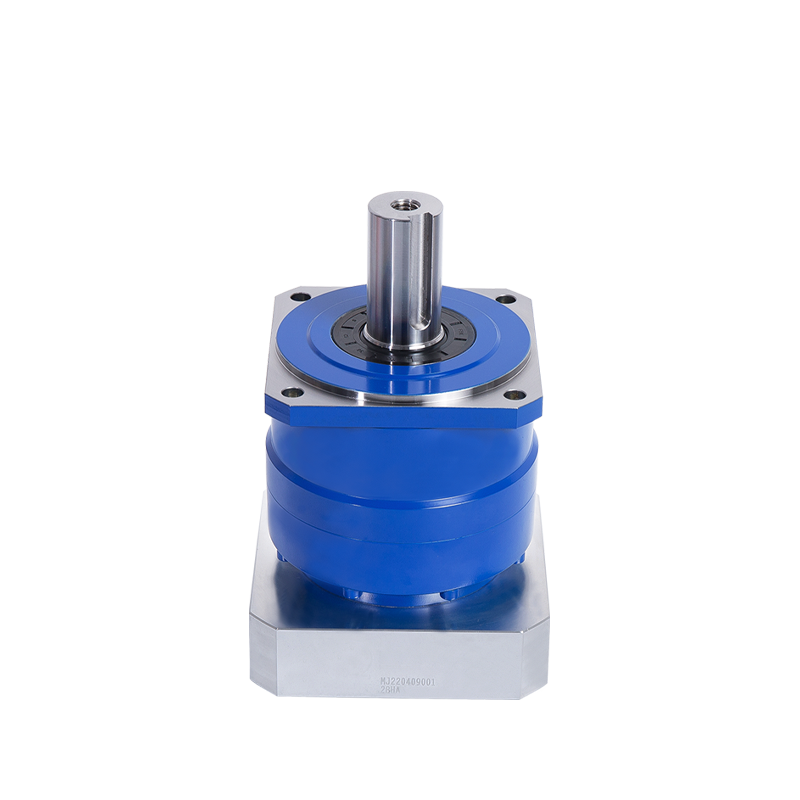
Industry-product lineupApplicable to: Door drive (planetary, coaxial shaft)MKB Precision Planetary Reducer is a cutting-edge mechanical device designe...
See Details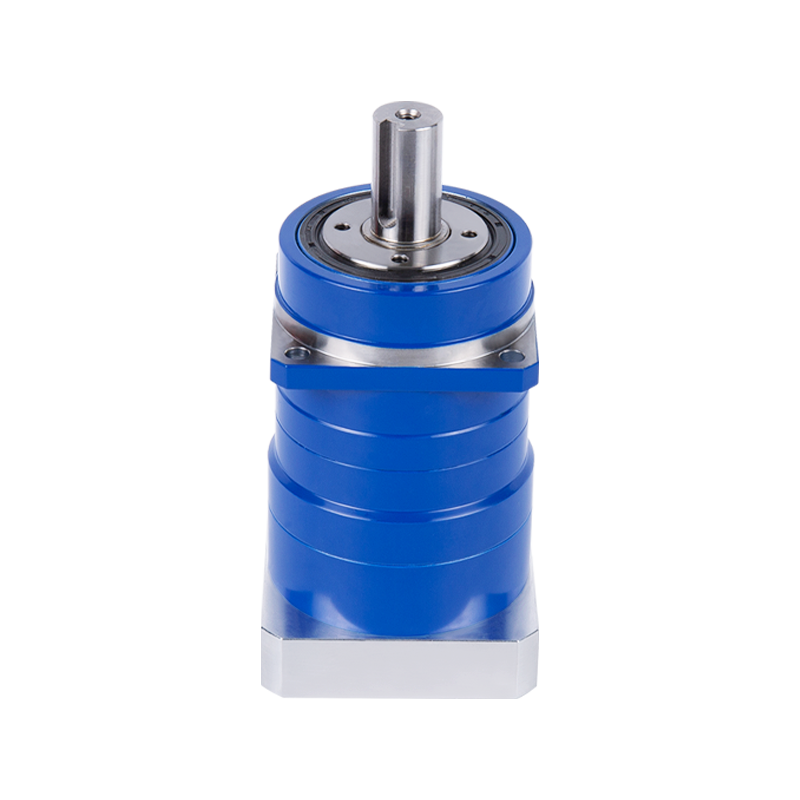
MKS Precision Planetary Reducer and servo motors represent a pinnacle in motion control technology. Their combined strengths — precision engineering, ...
See Details
Meet the needs of customers with high-precision requirements for semiconductor devices, machine tools, etc.MKG reducer meets the various needs of cust...
See Details
Suitable for customers with rich needs such as semiconductor manufacturing equipment and machine toolsApplicable to: Tapered roller bearings for door ...
See Details
MKEL Planetary Reducer specifically engineered for the intricate demands of semiconductor fabrication processes integrates into manufacturing equipmen...
See Details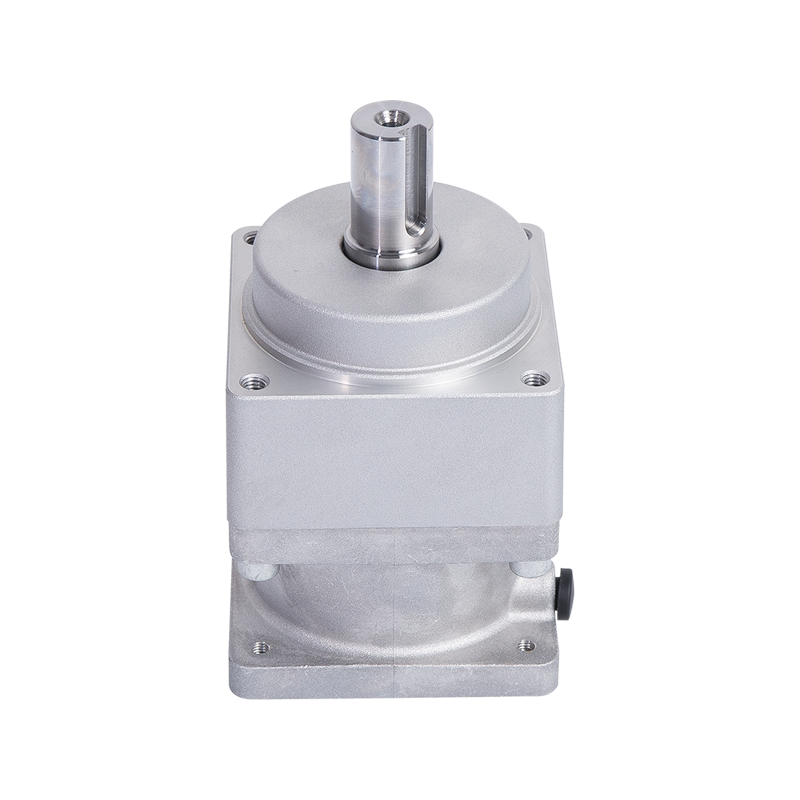
This MKGC-5C-400 high torque durable economical star reducer is designed for stable, cost-effective power transmission in general industrial and heavy...
See Details
MPEB helical gear design economical star reducer a departure from conventional spur gears. The helical gear design brings a host of advantages, includ...
See Details
High-performance output shaft type planetary reducer, with high rated speed and high dynamic application, adopts lightweight design and high-efficienc...
See Details
The worm bevel double output shaft type planetary reducer uses a combination of worm gear transmission and planetary gear transmission to improve the ...
See Details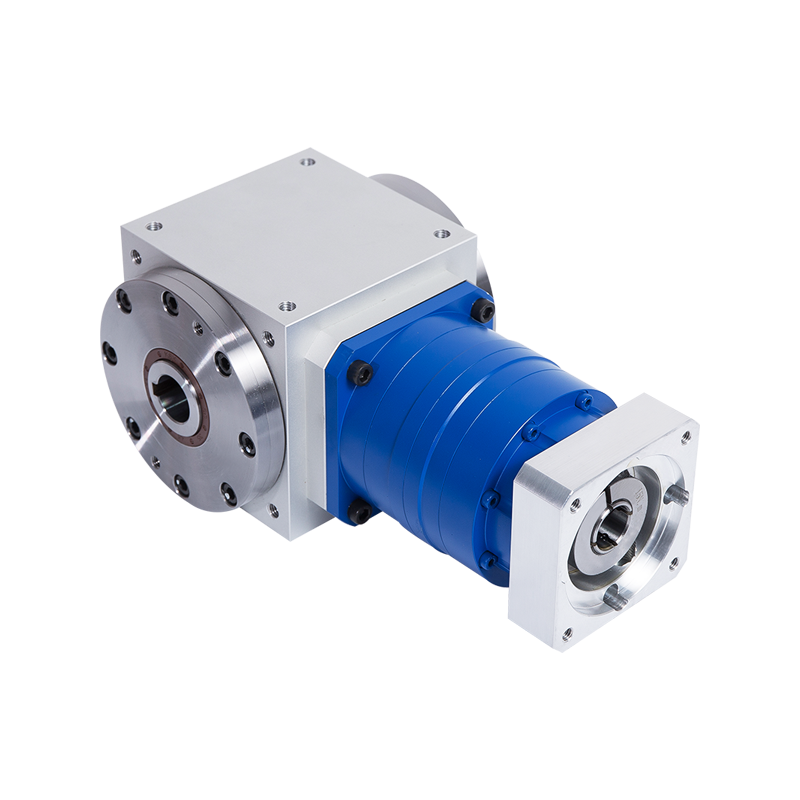
The hollow-type high-precision spiral bevel gear reducer is specially designed. The hollow design makes the center space of the reducer empty and can ...
See Details
MAKIKAWA-MOTION TECHNOLOGY (ZHEJIANG) CO., LTD. @ All rights reserved

Custom High Precision Planetary Gearbox Reducer Manufacturers