

 en
en русский
 Deutsch
 日本語
日本語 Español
 简体中文
简体中文Door Driving Precision Planetary Reducer
Cat:MK series planetary reducer
Industry-product lineupApplicable to: Door drive (planetary, coaxial shaft)MKB Precision Planetary Reducer is a cutting-edge mechanical device designe...
See DetailsContent
For applications demanding positional accuracy of less than 1 arcminute, a high precision planetary gear reducer is not an option but a necessity. Unlike standard reducers, these components achieve backlash values as low as 1 to 3 arcminutes and torsional stiffness exceeding 100 Nm/arcmin, directly determining the repeatability and dynamic performance of servo-driven systems in robotics, CNC machining, and medical imaging equipment.
Standard planetary reducers (backlash >15 arcmin) cause unacceptable positioning errors in applications like 6-axis robot wrists or laser cutting heads. High precision versions are defined by four quantifiable parameters.
Backlash in precision units typically ranges from ≤3 arcmin for standard precision to ≤1 arcmin for ultra-precision classes. For perspective, 1 arcminute of backlash at a 200mm output radius creates only 0.058mm of positional deviation—critical for semiconductor pick-and-place tools.
Stiffness values above 50 Nm/arcmin ensure that dynamic torque spikes do not translate into angular errors. A common design feature is the double-stage planetary arrangement with a symmetrical cage and 30-degree helical gear teeth, which increases tooth contact ratio by 35% compared to spur gears.
| Parameter | Standard Reducer | High Precision Reducer |
|---|---|---|
| Backlash (arcmin) | 15 - 30 | 1 - 3 |
| Torsional Stiffness (Nm/arcmin) | 10 - 30 | 50 - 200 |
| Efficiency per stage | 94% - 96% | 96% - 98% |
| Noise level at 3000 rpm (dB) | 70 - 78 | 58 - 65 |
Achieving sub-arcminute backlash requires specific mechanical engineering solutions. Three design elements dominate the field:
Choose a high precision planetary reducer based on the dominant motion error: positional vs. dynamic. For indexing tables in rotary transfer machines, hysteresis (lost motion) below 0.5 arcmin is the target. In contrast, for collaborative robot joints, the key is dynamic stiffness >80 Nm/arcmin to reject external forces during assembly tasks.
Matching the reducer’s rated output torque to the servomotor’s peak torque is critical. A common oversizing mistake: selecting a reducer with 50 Nm rated torque for a motor delivering 40 Nm continuous but 120 Nm peak. High precision units must be sized for peak torque at least 1.5 times the motor’s peak to avoid micro-yielding of the output flange. Field data shows this margin extends service life (L10 rating) from 10,000 to over 20,000 hours.
Up to 40% of precision loss occurs not from gear wear but from incorrect mounting. The reducer’s input flange requires a concentricity tolerance of ≤0.01mm between the motor pilot and reducer housing. Use dial indicators to verify radial runout, not just bolt torque. For preload, double-stage units need a defined input shaft preload torque—typically 60% to 75% of the motor shaft’s bearing preload—to maintain backlash stability over thermal cycles from 20°C to 80°C.
When installing on vertical axes (e.g., gantry Z-slides), specify reducers with integrated output flange seals rated for IP65 or higher. Without these, coolant ingress can degrade lubricant viscosity within 500 operating hours, doubling backlash measurements.
Do not rely solely on datasheets. Perform a backlash test at three torque levels: 0 Nm (static), 50% rated torque, and 100% rated torque. A high precision reducer will show less than 0.5 arcmin increase from no-load to full-load. Use a laser encoder on the output shaft and a torque arm for measurement. For production runs, require a Cpk value of ≥1.33 for backlash across 30 samples. The acceptance limit should be 2 arcmin maximum after 100 hours of break-in operation at 80% rated speed.
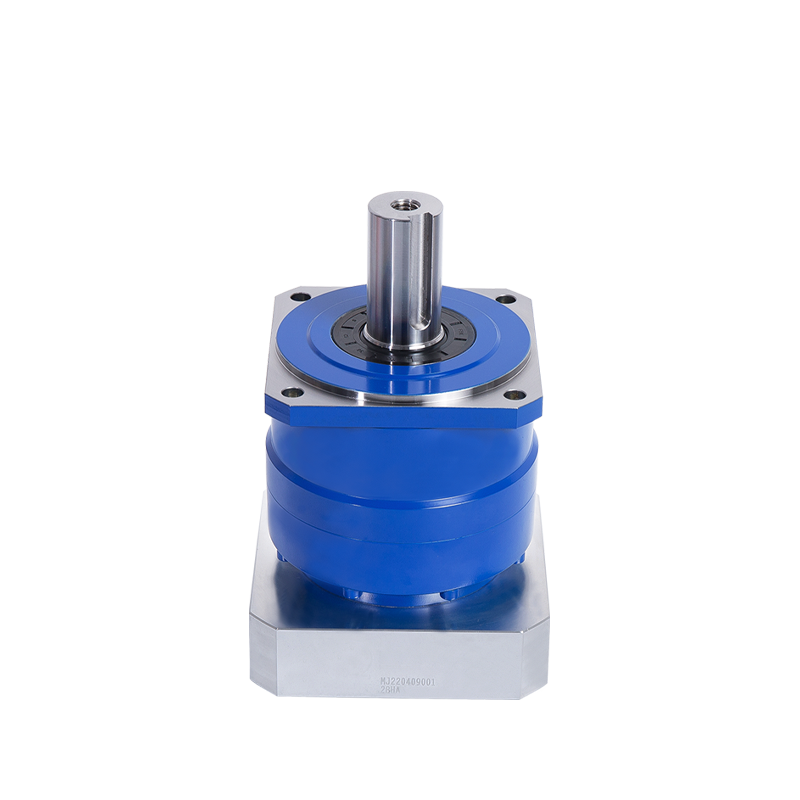
Industry-product lineupApplicable to: Door drive (planetary, coaxial shaft)MKB Precision Planetary Reducer is a cutting-edge mechanical device designe...
See Details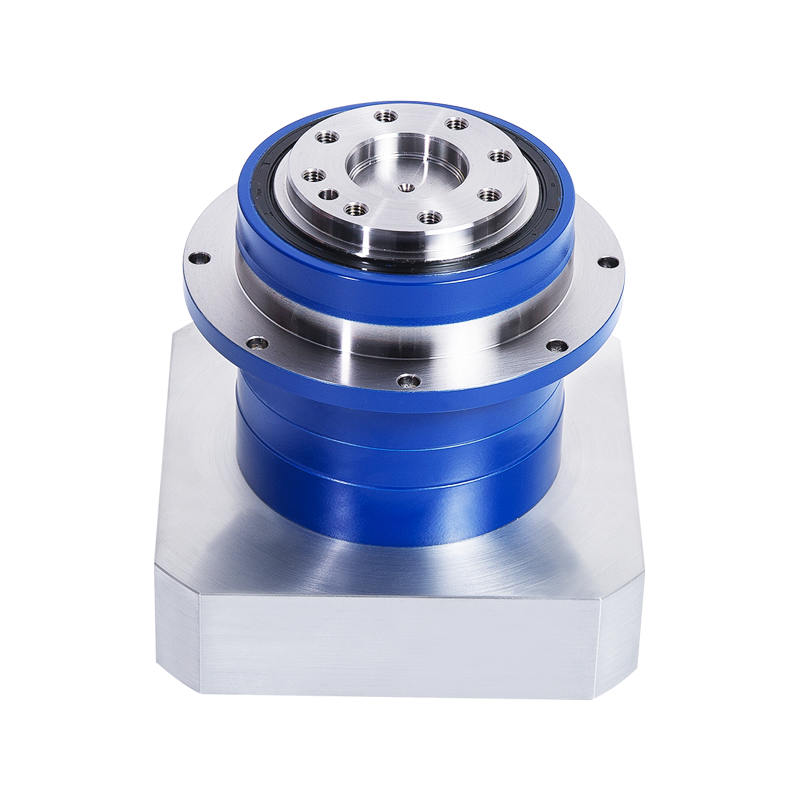
Meet the needs of customers with high precision requirements for semiconductor devices, automation equipment, machine tools, etc.Applicable to: Door d...
See Details
Industry- product lineupApplicable to: Door drive (planetary, coaxial shaft)MKL Precision Planetary Reducer lies in its multi-size segment selection c...
See Details
Meet the needs of customers with high-precision requirements for semiconductor devices, machine tools, etc.MKG reducer meets the various needs of cust...
See Details
Ball bearings, orthogonal axis, more flexible installationMKEB Planetary Reducer stands as a testament to advancements in planetary gear technology, f...
See Details
Suitable for customers with high output and compact requirementsApplicable to: Crossed roller bearings, for door drive (planetary, orthogonal shaft/ho...
See Details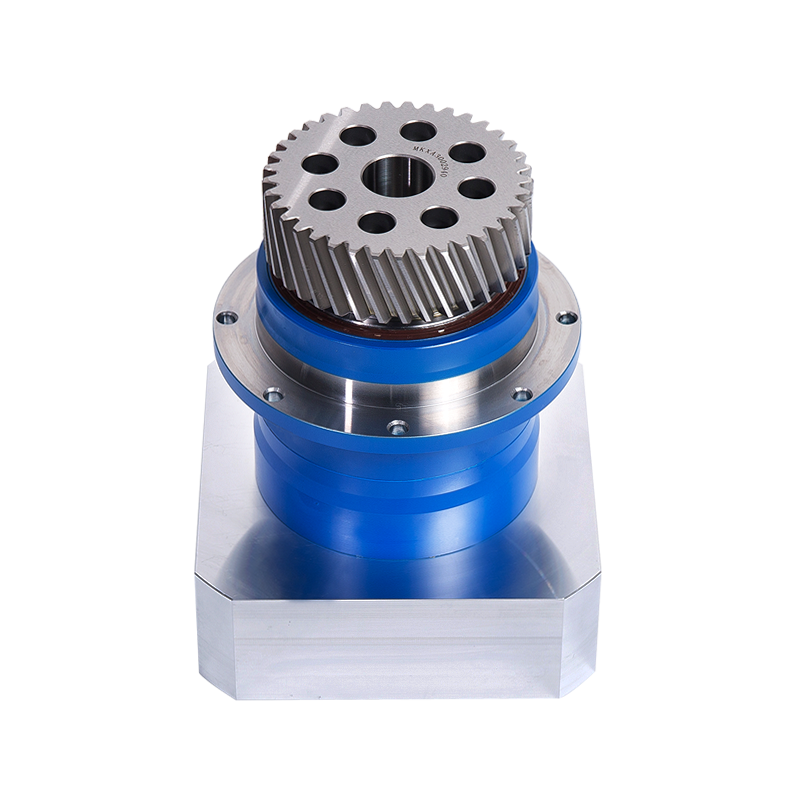
Laser-cutting equipment often operates in confined spaces, requiring motion control systems that can seamlessly integrate without compromising efficie...
See Details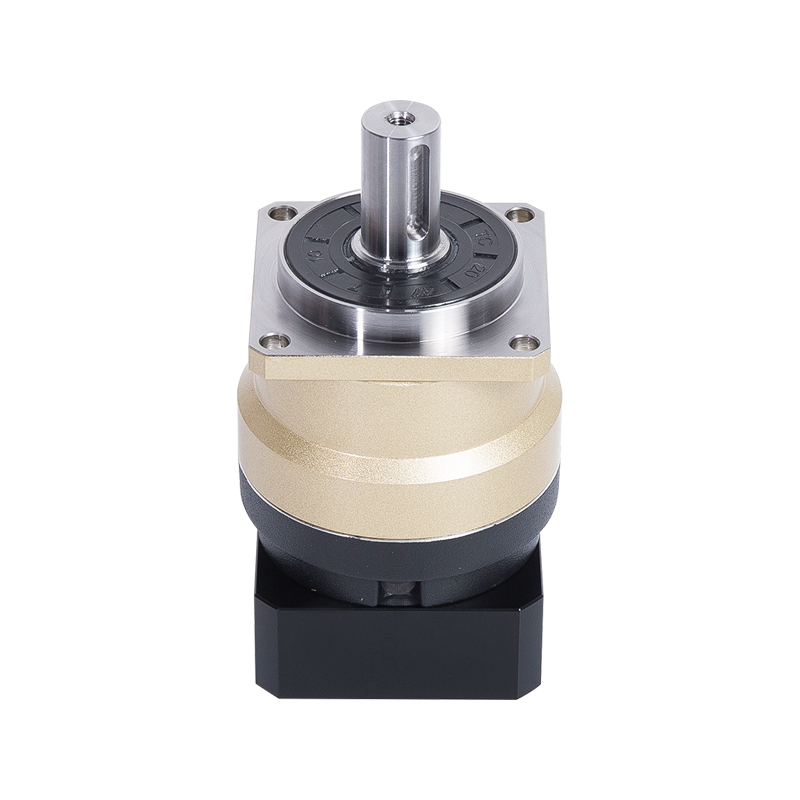
Helical gear design, high bite rate, smooth operation, low noise, low backlash. The sun gear output shaft bearing is designed directly in the arm to e...
See Details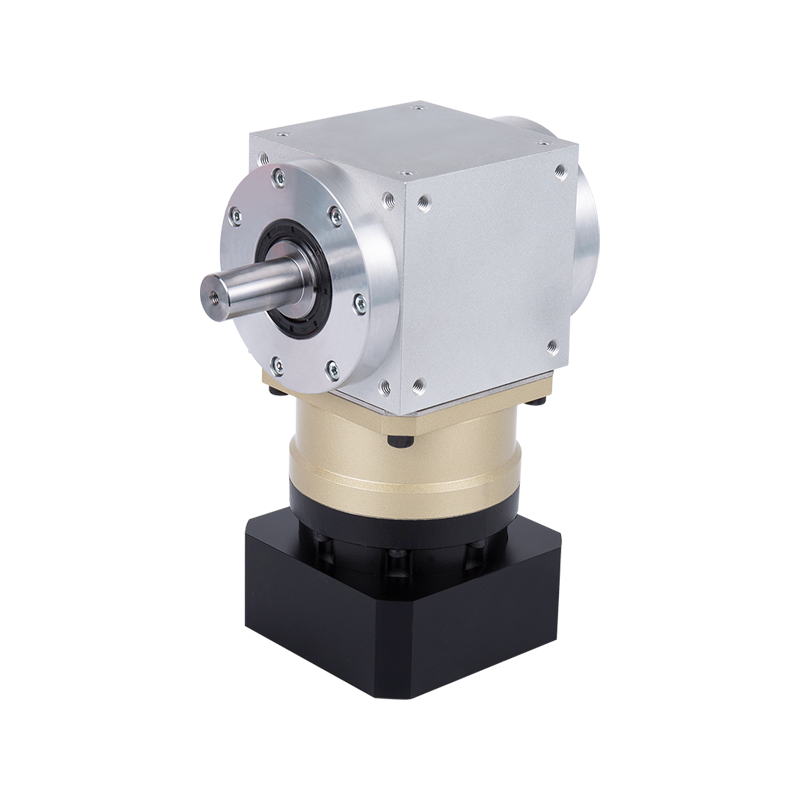
The planetary reducer adopts a planetary gear transmission structure, which has high transmission efficiency, and the single solid shaft design can re...
See Details
The worm bevel double output shaft type planetary reducer uses a combination of worm gear transmission and planetary gear transmission to improve the ...
See Details
MAKIKAWA-MOTION TECHNOLOGY (ZHEJIANG) CO., LTD. @ All rights reserved

Custom High Precision Planetary Gearbox Reducer Manufacturers