

 en
en русский
 Deutsch
 日本語
日本語 Español
 简体中文
简体中文Door Driving Precision Planetary Reducer
Cat:MK series planetary reducer
Industry-product lineupApplicable to: Door drive (planetary, coaxial shaft)MKB Precision Planetary Reducer is a cutting-edge mechanical device designe...
See DetailsContent
Choosing between a stepper motor and a servo motor for your planetary reducer system is one of the most consequential decisions in motion control design. Both pair effectively with planetary gearboxes, yet they differ fundamentally in how they generate motion, handle feedback, and respond under load. This guide cuts straight to the differences that matter most for real-world applications.
A stepper motor moves in discrete angular steps triggered by electrical pulses. The most common step angle is 1.8° — equivalent to 200 steps per revolution. When paired with a planetary reducer, that resolution multiplies mechanically: a 10:1 gearbox brings effective output resolution to 0.18° per step. The system is inherently open-loop — the controller assumes each commanded step was executed, with no position verification.
A servo motor, by contrast, uses a closed-loop control system. An encoder continuously reports actual position, speed, and sometimes torque back to the controller, which adjusts output in real time to correct any deviation. Paired with a precision planetary reducer, the gearbox amplifies torque density while preserving the motor's full closed-loop intelligence — enabling adaptive, accurate motion even under dynamic load changes.
| Parameter | Stepper + Planetary Reducer | Servo + Planetary Reducer |
|---|---|---|
| Control Mode | Open-loop (closed-loop variants exist) | Closed-loop with encoder feedback |
| Pole Count | 50–100 poles | 4–12 poles |
| Speed Range | Lower; torque drops rapidly at higher RPM | 2–4× faster; torque stays flat across speed range |
| Positioning Accuracy | ~0.1 mm at low-to-moderate loads | Sub-0.01 mm with proper encoder resolution |
| Gearbox Backlash Sensitivity | High — open-loop cannot compensate; requires ≤2–3 arcmin gearbox | Lower — encoder feedback corrects for positioning errors |
| Motor Efficiency | Lower; constant current causes heat even at standstill | 80–90%; supplies only current needed for load |
| System Cost | $50–150 (motor + driver + power supply) | $200–400+ (motor + drive + encoder cable + tuning) |
| Typical Reducer Efficiency (single stage) | 97–99% for both configurations | |
Stepper motors excel at high holding torque at zero and low speed — their high pole count locks the shaft firmly when energized. This makes them ideal for positioning and indexing tasks. However, torque drops sharply as speed increases due to detent losses, making them impractical for high-speed applications even when the gearbox multiplies output.
Servo motors deliver consistent torque across a wide speed range, often reaching several thousand RPM. Their lower pole count and closed-loop control allow them to maintain rated torque at speeds two to four times higher than comparable steppers. When a planetary reducer is added, the servo system retains this flat torque curve at the output shaft — a decisive advantage for dynamic or variable-load applications.
A planetary reducer reduces the load-to-motor inertia ratio by the square of the gear ratio, directly improving the stepper's ability to control the load during acceleration and deceleration. This is one of the primary engineering reasons to add a gearbox to a stepper system in the first place.
Because stepper systems run open-loop, gearbox backlash directly degrades positioning accuracy with no automatic correction. This is why stepper applications commonly specify high-precision planetary gearboxes with backlash as low as 2–3 arcminutes. Single-stage precision planetary reducers can achieve backlash below 1 arcminute, meeting the demands of CNC axes, semiconductor equipment, and precision packaging lines.
Servo systems benefit from encoder feedback that can partially compensate for backlash in the gearbox. However, for the most demanding applications — sub-0.01 mm repeatability in robotics or machine tools — low-backlash planetary reducers remain essential regardless of motor type. Explore the MK Series Planetary Reducers for configurations suited to both servo and stepper motor pairings across precision grades.
Stepper motors operating in constant-current open-loop mode generate significant heat in both the motor and driver — even when stationary. This is a concern in thermally sensitive enclosures or battery-powered equipment. A planetary gearbox partially mitigates this by allowing the stepper to operate at a more favorable speed-torque point, reducing required input current for a given load.
Servo motors supply only the current demanded by actual load conditions, making them significantly more energy-efficient in variable-duty cycles. They also respond to overloads dynamically rather than stalling silently. In continuous-duty or high-cycle applications, the energy and heat advantages of a servo system often justify the higher upfront cost within a reasonable payback period.
One practical benefit of the stepper-reducer combination: the planetary gearbox acts as a mechanical buffer. Under extreme overloads, the reducer absorbs the impact first — spare parts replace a damaged reducer at far lower cost and faster turnaround than repairing a burnt-out motor.
Choose a stepper motor planetary reducer when: the application requires low-to-medium speed, high holding torque, simple open-loop control, and cost is the primary constraint — such as 3D printers, labeling machines, light-duty CNC axes, and indexing tables with predictable loads.
Choose a servo motor planetary reducer when: the application demands high speed, dynamic load compensation, sub-millimeter repeatability, or continuous duty at varying loads — such as robotic arms, high-speed pick-and-place, CNC machining centers, AGV drive systems, and semiconductor fabrication equipment. For AGV-specific applications, the RC Series AGV Planetary Reducers offer ring gear output configurations optimized for servo-integrated mobile robot drives.
A practical middle ground also exists: closed-loop stepper systems, which add encoder feedback to a stepper motor and driver. These systems detect and correct missed steps, offering roughly 80% of servo reliability at approximately 50% of the cost — a compelling option for moderate-precision applications where full servo tuning overhead is not warranted.
The stepper motor planetary reducer wins on simplicity and cost in stable, low-to-medium speed positioning tasks. The servo motor planetary reducer wins on speed, efficiency, and dynamic accuracy wherever loads fluctuate or cycle rates are high. Neither is universally superior — the right choice is the one that meets your torque-speed curve and accuracy requirement at the lowest total cost of ownership.
When specifying either system, always verify gearbox backlash class, rated output torque with service factor applied, and motor flange compatibility before finalizing the pairing.
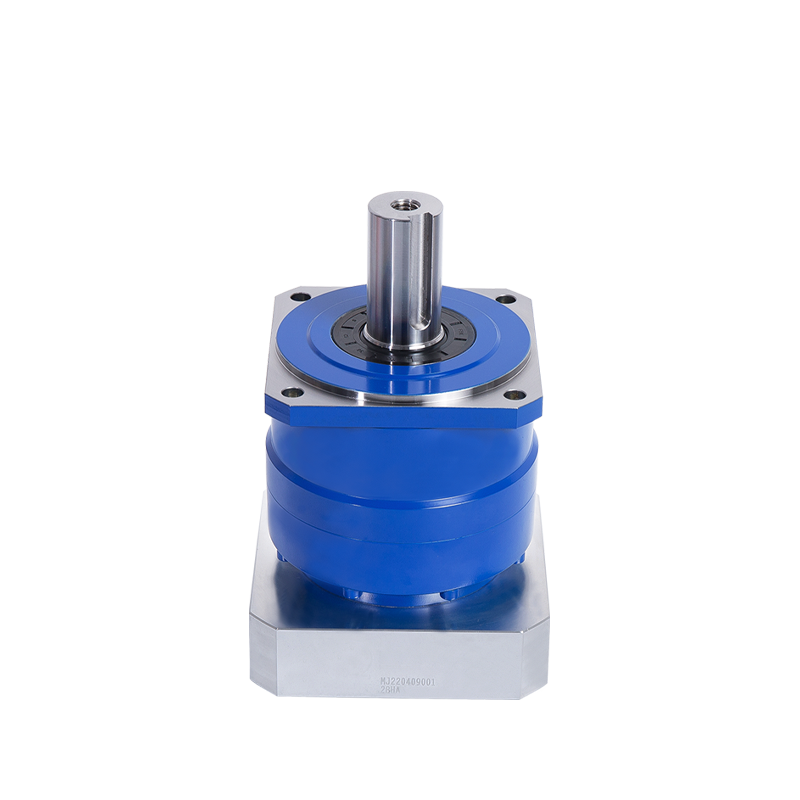
Industry-product lineupApplicable to: Door drive (planetary, coaxial shaft)MKB Precision Planetary Reducer is a cutting-edge mechanical device designe...
See Details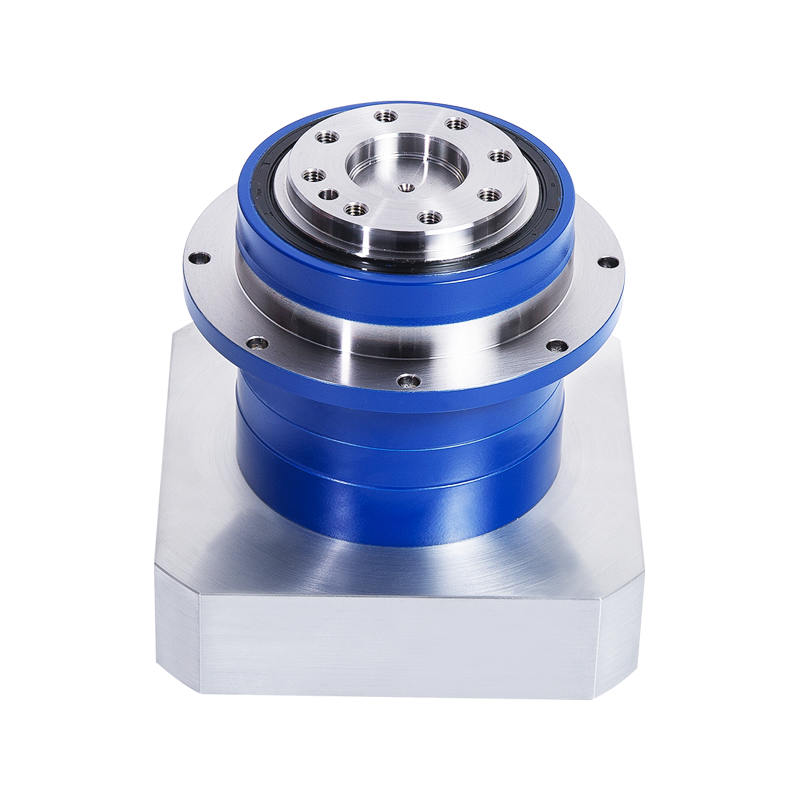
Meet the needs of customers with high precision requirements for semiconductor devices, automation equipment, machine tools, etc.Applicable to: Door d...
See Details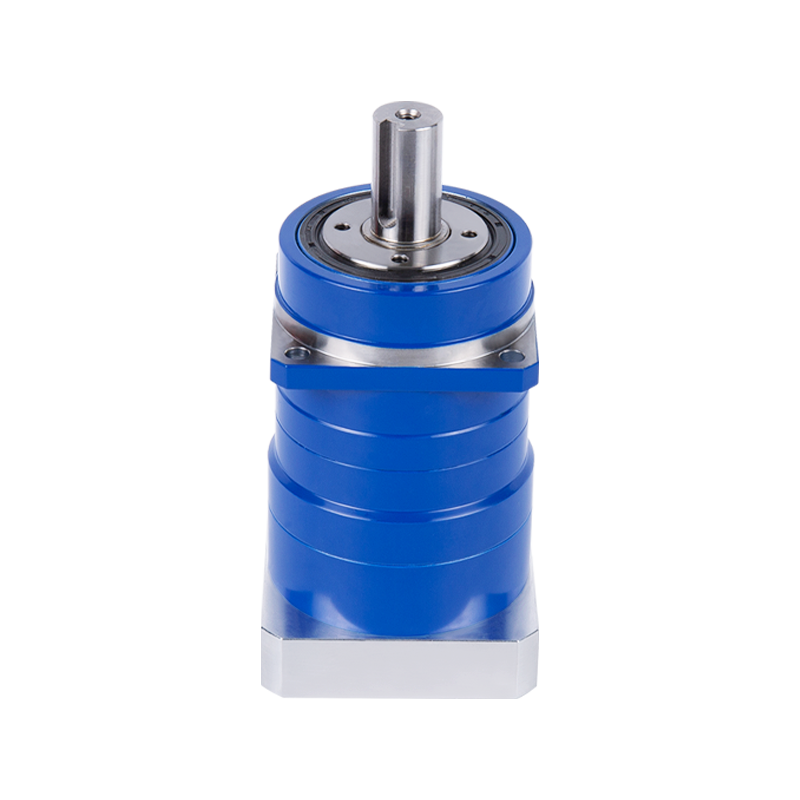
MKS Precision Planetary Reducer and servo motors represent a pinnacle in motion control technology. Their combined strengths — precision engineering, ...
See Details
Ball bearings, orthogonal axis, more flexible installationMKEB Planetary Reducer stands as a testament to advancements in planetary gear technology, f...
See Details
Suitable for customers with rich needs such as semiconductor manufacturing equipment and machine toolsApplicable to: Tapered roller bearings for door ...
See Details
MKEL Planetary Reducer specifically engineered for the intricate demands of semiconductor fabrication processes integrates into manufacturing equipmen...
See Details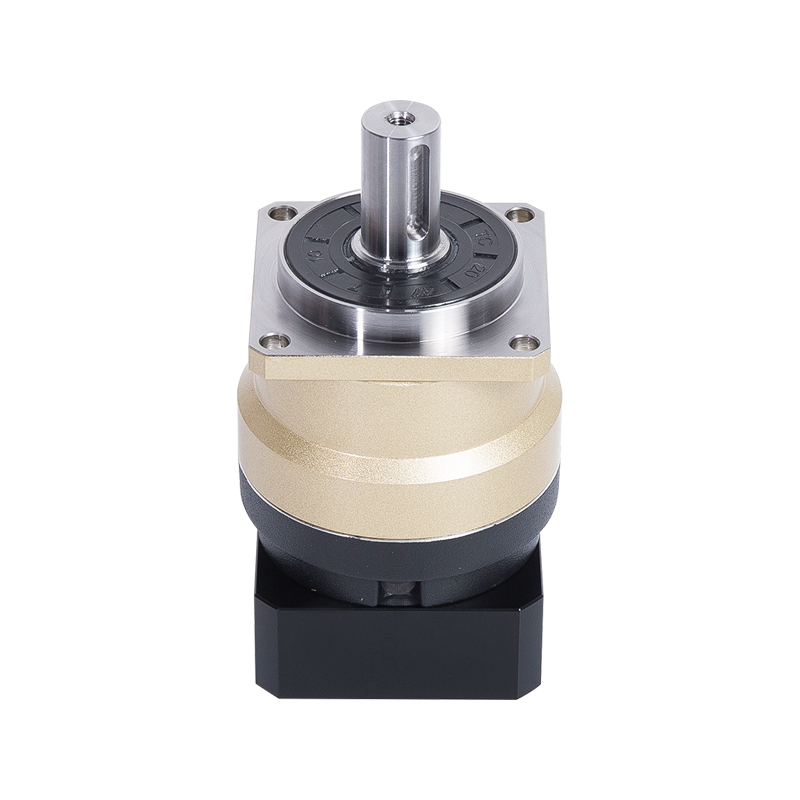
Helical gear design, high bite rate, smooth operation, low noise, low backlash. The sun gear output shaft bearing is designed directly in the arm to e...
See Details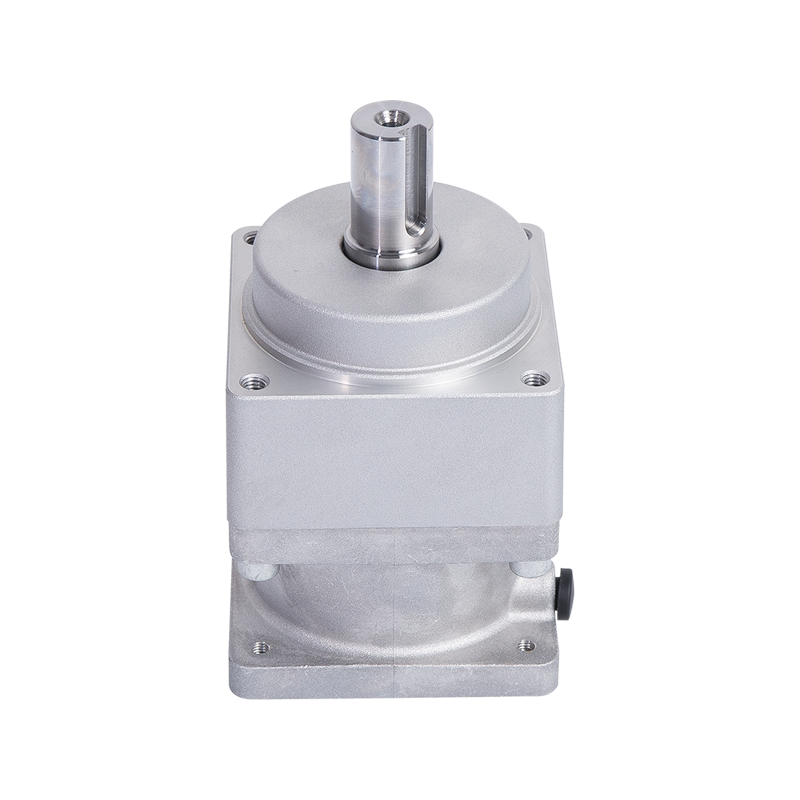
This MKGC-5C-400 high torque durable economical star reducer is designed for stable, cost-effective power transmission in general industrial and heavy...
See Details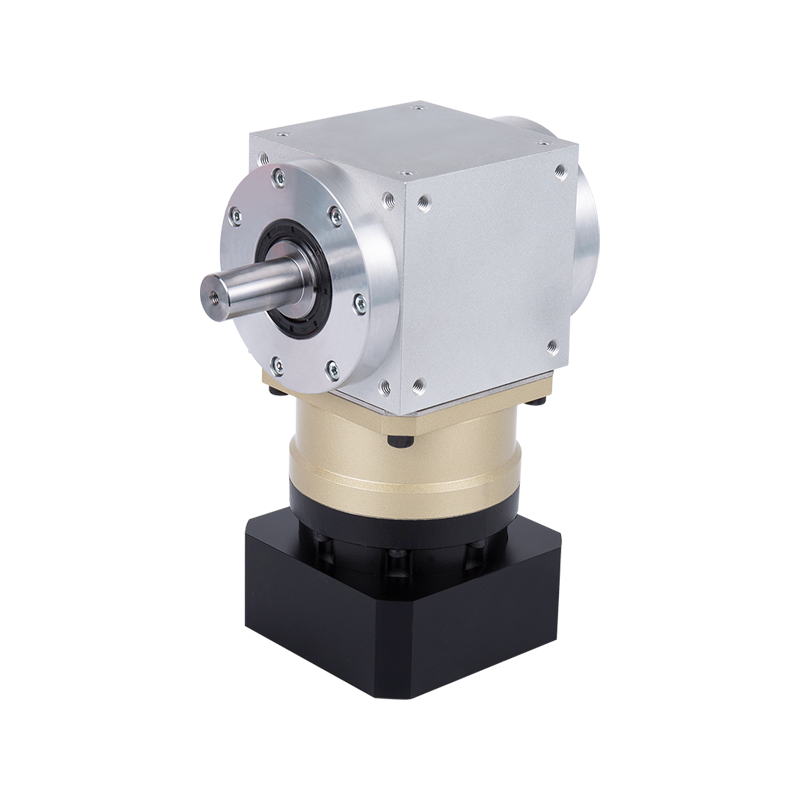
The planetary reducer adopts a planetary gear transmission structure, which has high transmission efficiency, and the single solid shaft design can re...
See Details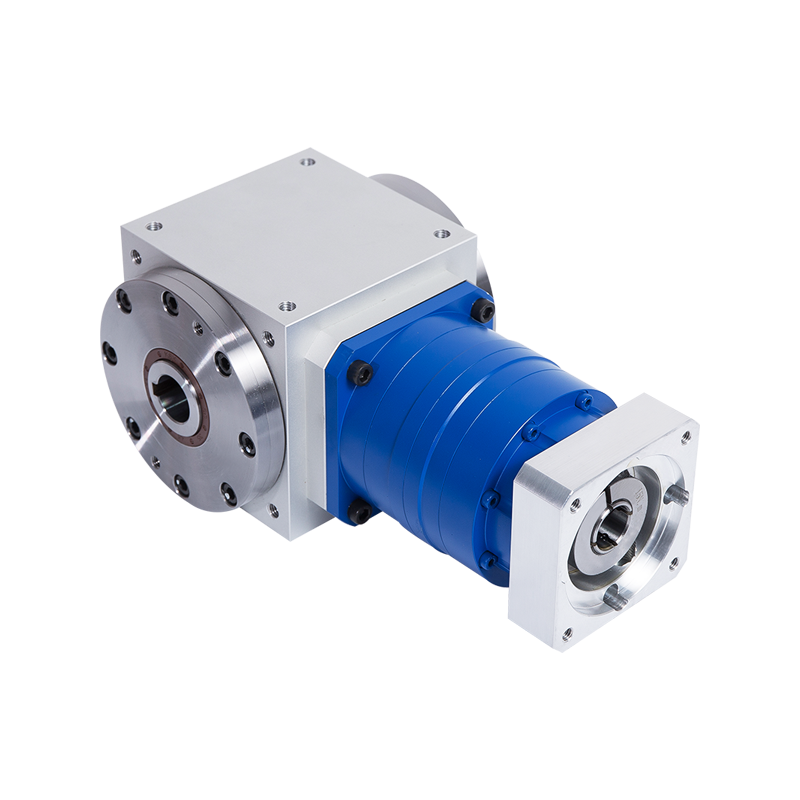
The hollow-type high-precision spiral bevel gear reducer is specially designed. The hollow design makes the center space of the reducer empty and can ...
See Details
MAKIKAWA-MOTION TECHNOLOGY (ZHEJIANG) CO., LTD. @ All rights reserved

Custom High Precision Planetary Gearbox Reducer Manufacturers