

 en
en русский
 Deutsch
 日本語
日本語 Español
 简体中文
简体中文High Precision Precision Planetary Reducer
Cat:MK series planetary reducer
MKS Precision Planetary Reducer and servo motors represent a pinnacle in motion control technology. Their combined strengths — precision engineering, ...
See DetailsContent
Before evaluating any other parameter, engineers must accurately calculate the load torque demand of their application. A motor with reduction gearbox amplifies output torque in direct proportion to the gear ratio — a 10:1 ratio, for instance, multiplies the motor's rated torque by roughly 10 (minus efficiency losses). Undersizing torque capacity by even 15–20% is one of the most common causes of premature gearbox failure, as the unit operates perpetually near or beyond its rated limit.
Peak torque events — such as start-up inrush, emergency stops, or sudden load spikes — must be factored into the calculation, not just the steady-state operating torque. Most planetary gearboxes specify both a nominal output torque and a maximum permissible peak torque, and the application's peak demands must stay comfortably within the latter.
In precision applications like robotics, CNC machining, and servo-driven automation lines, output torque must also be evaluated alongside torsional rigidity. A gearbox that delivers sufficient torque but exhibits high torsional deflection under load will compromise positioning repeatability — sometimes to a degree that renders the system unusable for its intended purpose.
The gear ratio defines how motor speed is converted into output shaft speed, and its selection has cascading implications for efficiency, heat generation, and motor sizing. Choosing too high a ratio forces the motor to operate at an unnecessarily high speed to achieve the target output, while too low a ratio may require an oversized motor to meet torque demands.
For servo motor applications, a common engineering guideline is to select a gear ratio that places the motor's operating point at approximately 70–80% of its rated speed under full load. This keeps the motor within its most efficient operating band while leaving headroom for dynamic response. Single-stage planetary gearboxes typically cover ratios from 3:1 to 10:1, while two-stage configurations extend this range to 100:1 or beyond — though efficiency decreases with each additional stage.
| Gear Ratio Range | Typical Stage Count | Typical Efficiency | Common Applications |
|---|---|---|---|
| 3:1 – 10:1 | Single-stage | ≥97% | Servo axes, pick-and-place robots |
| 10:1 – 50:1 | Two-stage | 94–96% | Conveyor drives, AGV wheel modules |
| 50:1 – 100:1+ | Three-stage | 90–93% | Low-speed heavy-load machinery |
It is also worth noting that non-standard ratios are frequently available from precision manufacturers and can meaningfully improve system performance compared to forcing a design to conform to standard catalog ratios.
Backlash — the angular free play between input and output shafts when direction of rotation is reversed — is arguably the most critical precision parameter for motion control applications. It is measured in arcminutes, and the distinction between common grades is significant: a standard industrial gearbox may exhibit 10–20 arcminutes of backlash, while a high-precision planetary unit can achieve ≤1 arcminute.
In applications involving bidirectional motion — CNC axes, robotic joints, laser cutting heads — backlash directly translates to positioning error each time the load reverses direction. For a 100mm output arm, 1 arcminute of backlash corresponds to approximately 0.029mm of linear positioning error. While this may seem negligible in isolation, accumulated across multiple axes or repeated cycles, the error compounds.
Low-backlash designs achieve their precision through tighter gear tooth manufacturing tolerances, optimized planet carrier geometry, and in some cases preloaded bearing arrangements. These design features also correlate with higher torsional stiffness, making precision gearboxes preferable not just for accuracy but for overall dynamic responsiveness.
A motor with reduction gearbox generates heat from two sources: motor copper and iron losses, and gearbox friction losses. In continuous-duty applications or high-cycle environments, thermal accumulation can degrade lubricant viscosity, accelerate seal wear, and reduce bearing life — even when peak torque and speed ratings are technically not exceeded.
The thermal rating of a gearbox is expressed as its maximum allowable operating temperature, typically 90°C for the housing in standard designs, though some high-performance units tolerate up to 120°C. When selecting a unit for a demanding duty cycle, it is essential to verify that the gearbox's thermal capacity — sometimes stated as a continuous input power limit — matches the motor's continuous output, not just its peak rating.
Helical gear designs, which are common in precision planetary reducers, produce lower noise and heat compared to spur gear equivalents at equivalent load levels. This makes them preferable in applications where thermal budget is tight or acoustic performance is a secondary requirement. Proper lubrication specification — whether grease-packed for life or oil-circulated for high-power applications — also plays an important role in sustained thermal performance.
Even a perfectly specified gearbox will underperform if the motor interface is poorly matched. The input flange of the gearbox must align precisely with the motor's output flange — both in bolt pattern and in centering bore tolerance. Misalignment at this junction introduces radial loads on the gearbox input shaft bearings, which are not designed to carry them, and will drastically shorten bearing service life.
Modern precision planetary gearboxes are typically designed to accept servo motors from major manufacturers via standard adapter flanges, but adapter selection must account for the motor shaft diameter, shaft keyway geometry, and clamping mechanism. A well-designed clamping hub with zero-backlash coupling between the motor shaft and gearbox input sun gear eliminates a common source of system-level backlash that is separate from the gearbox's own specification.
Output shaft configuration — whether inline coaxial, right-angle, or hollow shaft — must match the mechanical layout of the driven system. Right-angle configurations using bevel or spiral bevel gear stages introduce additional efficiency losses (typically 1–3%) but can simplify machine layouts in constrained installations such as AGV drive modules or gantry axis drives.
Gearbox longevity is primarily determined by three factors: bearing selection and preload, gear material and surface treatment, and lubrication quality. Precision planetary gearboxes for industrial automation are commonly rated for 20,000 hours or more of service life under their specified rated conditions — but this rating assumes correct installation, proper thermal management, and absence of shock loads beyond the catalog's peak torque specification.
In practice, the two most common failure modes are lubricant degradation and bearing wear due to misalignment or overload. Specifying a unit with sealed-for-life lubrication in clean environments, or with oil drain/fill provisions in high-temperature or high-cycle applications, is an important operational decision that is frequently overlooked during the selection phase.
Total cost of ownership should always frame the selection decision, not initial unit price alone. A lower-cost gearbox that requires replacement every two years in a continuous production environment will almost always cost more than a precision unit with a 10-year service life when downtime, labor, and lost production are factored in. Selecting from a manufacturer with documented manufacturing precision, material traceability, and quality certifications provides additional assurance that rated life specifications will translate into real-world performance.
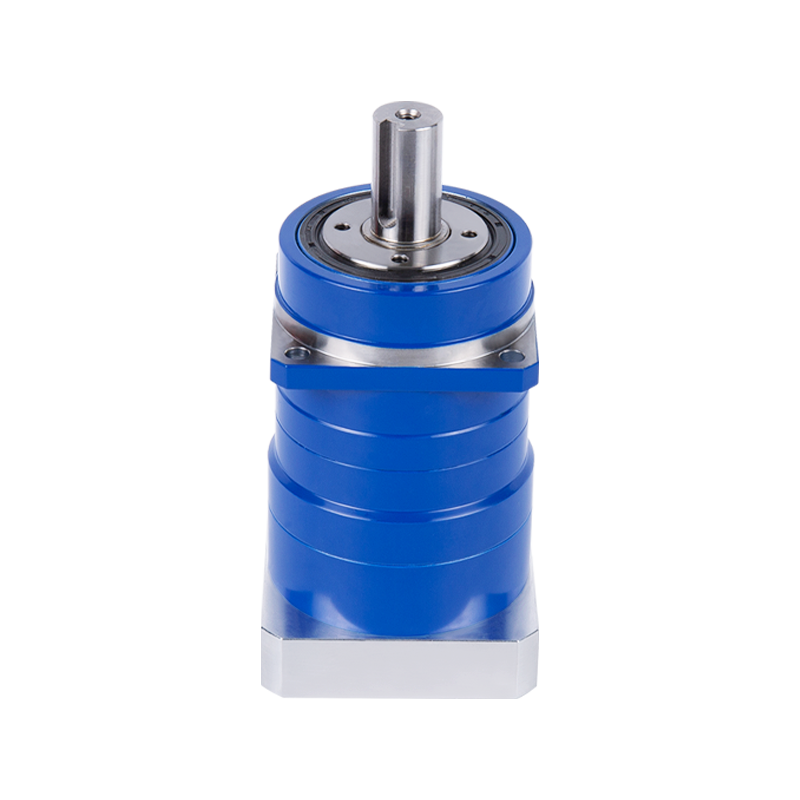
MKS Precision Planetary Reducer and servo motors represent a pinnacle in motion control technology. Their combined strengths — precision engineering, ...
See Details
Industry- product lineupApplicable to: Door drive (planetary, coaxial shaft)MKL Precision Planetary Reducer lies in its multi-size segment selection c...
See Details
Meet the needs of customers with high-precision requirements for semiconductor devices, machine tools, etc.MKG reducer meets the various needs of cust...
See Details
Ball bearings, orthogonal axis, more flexible installationMKEB Planetary Reducer stands as a testament to advancements in planetary gear technology, f...
See Details
Suitable for customers with rich needs such as semiconductor manufacturing equipment and machine toolsApplicable to: Tapered roller bearings for door ...
See Details
MKEL Planetary Reducer specifically engineered for the intricate demands of semiconductor fabrication processes integrates into manufacturing equipmen...
See Details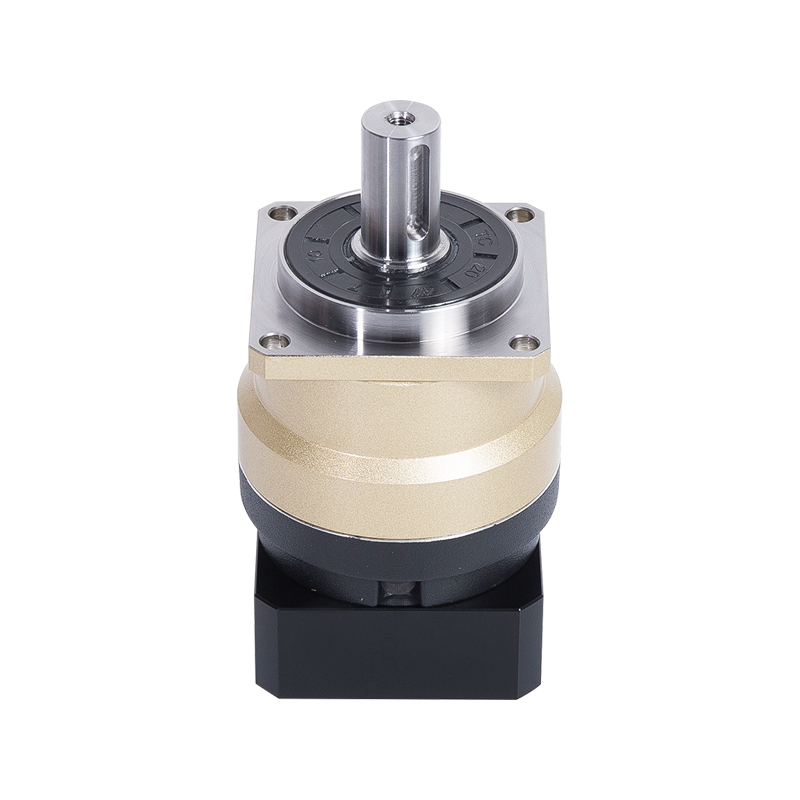
Helical gear design, high bite rate, smooth operation, low noise, low backlash. The sun gear output shaft bearing is designed directly in the arm to e...
See Details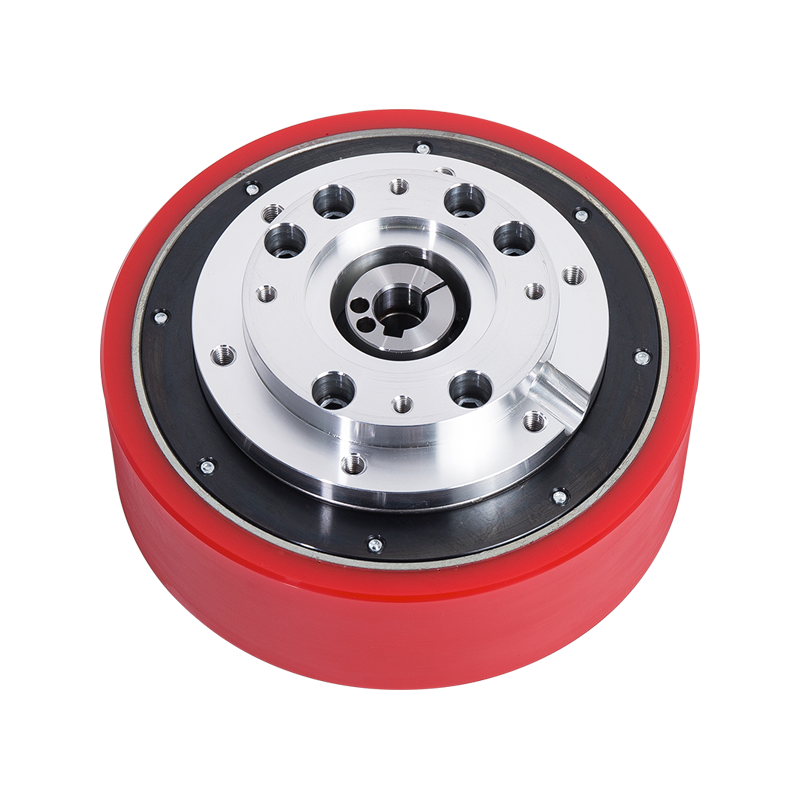
At the heart of the RCIV ring gear output AGV special planetary reducer is a sophisticated design that features a distinctive ring gear output configu...
See Details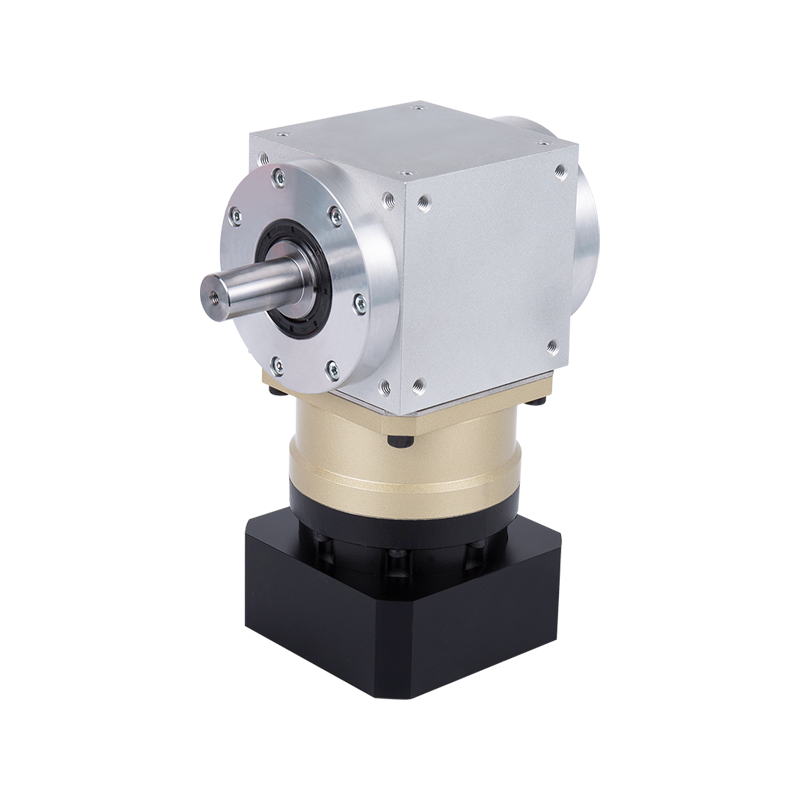
The planetary reducer adopts a planetary gear transmission structure, which has high transmission efficiency, and the single solid shaft design can re...
See Details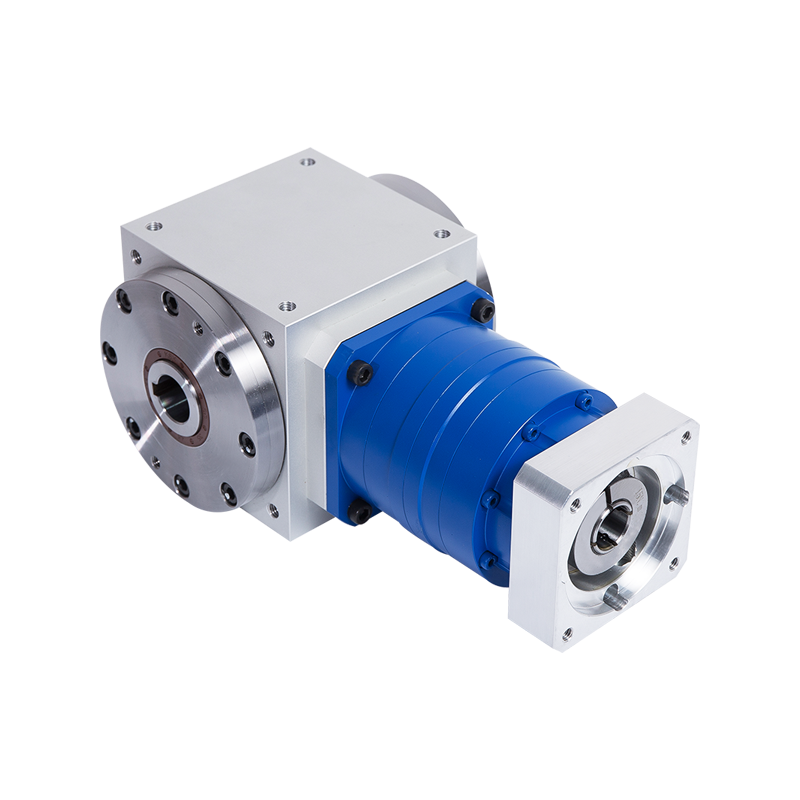
The hollow-type high-precision spiral bevel gear reducer is specially designed. The hollow design makes the center space of the reducer empty and can ...
See Details
MAKIKAWA-MOTION TECHNOLOGY (ZHEJIANG) CO., LTD. @ All rights reserved

Custom High Precision Planetary Gearbox Reducer Manufacturers